

Serving the Foothills • Santa Ynez Valley • Goleta • Montecito • Hope Ranch.
Deer Mice and Hantavirus in Santa Barbara, CA — What to Know
Found droppings in a garage, shed or cabin? We help you clean up safely, trap the mice and seal them out. Free consultation.
Santa Barbara rodent control
Deer mice and hantavirus in Santa Barbara: the calm version
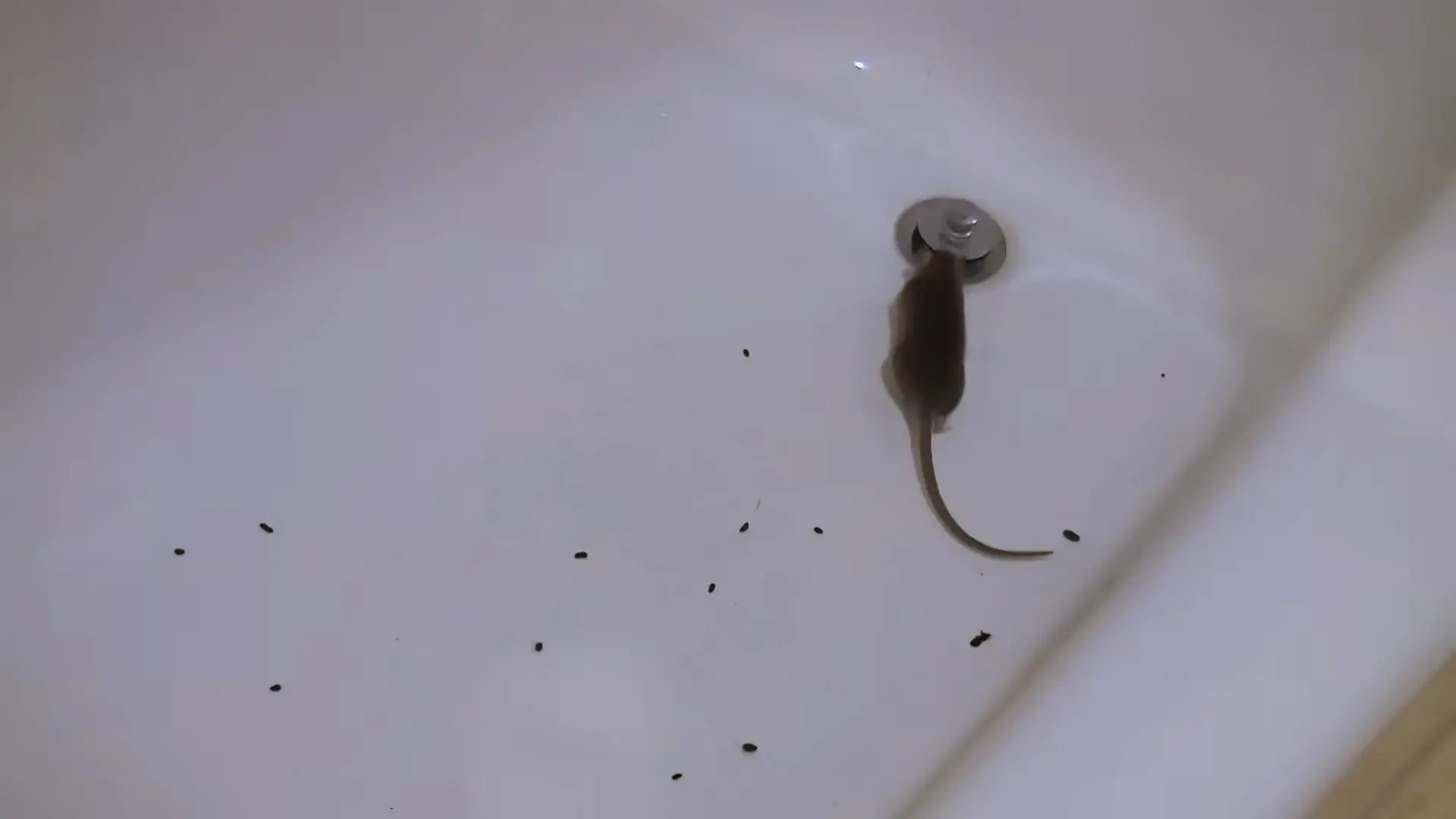
Deer mice are the main carrier of hantavirus in California.
- The virus is rare, and you cannot catch it from another person.
- People mostly get sick by breathing dust from dried deer mouse droppings or urine, often while cleaning a closed-up shed, cabin or garage.
That makes the plan simple. Keep deer mice out, trap the ones inside, and clean up wet, never dry. This page explains how to tell deer mice from house mice, what the local record shows, the symptoms, and the safe cleanup steps.
Santa Barbara rodent control
Is it a deer mouse? A quick ID check
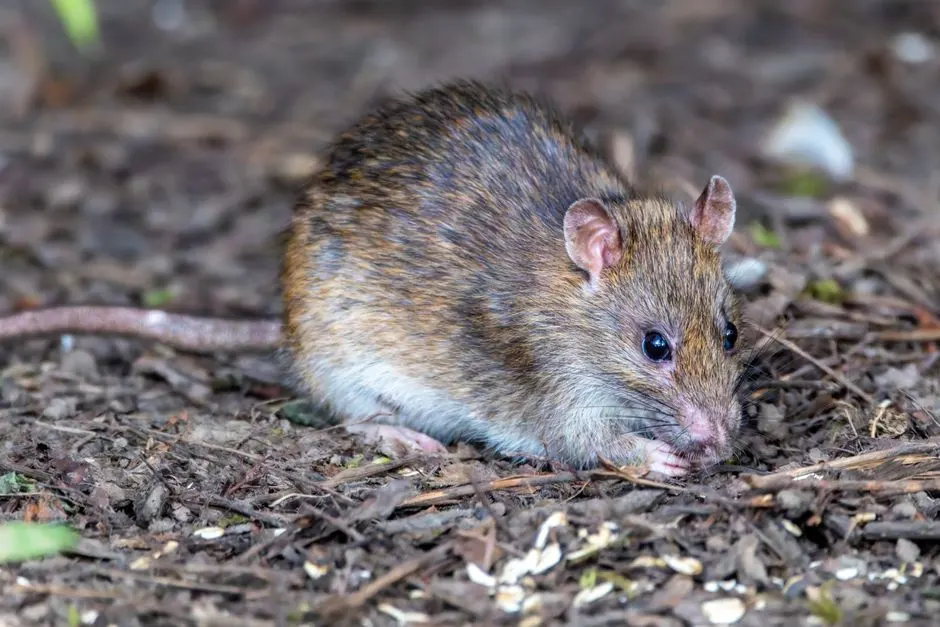
UC and public health sources describe deer mice this way:
Coat
Gray to brown on top, white underneath, with a clear line between the colors. This two-tone coat is the easiest way to tell a deer mouse from a house mouse.
Tail
Furry and two-toned, dark above and white below. A house mouse tail is nearly bare and one color.
Eyes and ears
Large eyes and large, hairless ears give deer mice a bright, wide-eyed look.
Size
About 4 to 7 inches long, close to a house mouse, so size alone does not tell you which mouse you have.
Where
Brush, shrubs and rocks, then sheds, cabins, garages, RVs and attics for food and warmth.
A house mouse is gray all over with a nearly hairless tail. See our House Mice page. Deer mice are very common in the foothills, the mountains and open areas of Santa Barbara County, according to the county vector district.
Healthy-looking mice can still carry the virus, so treat all wild mice the same way. Never handle one with bare hands.
Santa Barbara rodent control
Hantavirus in Santa Barbara County: what the local record shows
Here is what the county and the news record say, with dates.
The virus is here
The Mosquito and Vector Management District says hantavirus has been found in several county locations: Santa Ynez, Vandenberg Space Force Base, the Channel Islands and the greater Santa Barbara area.
Cases are rare
As of May 2026, the district said the last diagnosed county case was in August 2020, a Santa Ynez Valley man living in a trailer infested with deer mice.
The last known death was in 1992
A Santa Ynez man died before the virus was widely known. Cases in the county are rare, but the history is why wet cleaning methods matter.
Not every mouse has it
Ventura County reports that testing across California found an average of about 12% of deer mice positive. Most do not carry it, but you cannot tell by looking, so droppings should always be handled with care.
So the honest picture is: rare, but serious enough to clean up the right way.
Santa Barbara rodent control
How people catch hantavirus (and how they do not)
Most common: breathing in dust that holds dried deer mouse urine, droppings or saliva. This happens when someone sweeps, vacuums or shakes out a dirty space.
Less common: touching droppings or nests and then touching the mouth, nose or eyes, or a rodent bite.
Higher-risk spots: closed sheds, cabins, trailers, RVs, barns and garages that have sat unused, especially with poor airflow.
Not a risk: another person. The North American virus, called Sin Nombre virus, does not spread from person to person.
I found droppings in my garage. Do I need to worry?
No need to panic, but do clean it the safe way. Most droppings in a Santa Barbara garage come from house mice. If you cannot tell, treat them as deer mouse droppings. Open the door, air the space out, wet the droppings with disinfectant and wipe them up. Do not sweep or vacuum.
I already swept it before I knew. What now?
Stay calm and watch your health. Dry sweeping can lift dust into the air, which is the main way people get infected. One exposure does not mean you are infected, since most mice do not carry the virus. Air out the space, finish the cleanup wet, and tell your doctor about the exposure if you get flu-like symptoms in the next 8 weeks.
I touched droppings but washed my hands right away. Am I at risk?
Probably not. The main route is breathing in dust, not skin contact. Hand washing with soap and water takes care of most of the hand risk. Just keep your hands away from your face until you have washed them.
How likely is a deer mouse to carry hantavirus?
Only some do. Testing across California found an average of about 12% positive, according to Ventura County. Infected mice look healthy, so you cannot tell by looking. That is why every wild mouse is handled with the same care.
What to look for
Hantavirus symptoms and timing
Hantavirus pulmonary syndrome starts like the flu, then can turn serious fast.
| Stage | What it feels like | When |
|---|---|---|
| Early | Fever, tiredness, muscle aches, headache, dizziness, chills, nausea, vomiting | Usually 1 to 3 weeks after exposure. It can take up to 8 weeks. |
| Late | Cough and trouble breathing, as the lungs fill with fluid | About 4 to 10 days after the early stage |
Treatment
There is no vaccine or cure. Care in a hospital, often with breathing support, gives the best chance, so see a doctor early if you have symptoms after exposure.
Seriousness
The CDC says about 38% of cases are fatal. The county vector district gives 30 to 40%. Getting care early matters.
What to do
if you have these symptoms after rodent contact, get medical care right away and tell the doctor about the rodent exposure.
This page is not medical advice. Symptom and timing details come from the public health sources listed below. If you have trouble breathing, call 911.
Where to get care in Santa Barbara County
for trouble breathing, call 911 or go to the nearest emergency room and say you had rodent exposure. Local ERs include Santa Barbara Cottage Hospital (805-569-7210), Goleta Valley Cottage Hospital (805-681-6473) and Santa Ynez Valley Cottage Hospital (805-688-6431). See our Rodent Health Risks guide for addresses.
Santa Barbara rodent control
In the news: Andes hantavirus vs. the deer mouse virus
In spring 2026 a hantavirus outbreak on a cruise ship made headlines, and some Santa Barbara readers asked if it was the same thing. It is not.
| Andes virus (cruise ship) | Sin Nombre virus (deer mice) | |
|---|---|---|
| Found in | South America | North America, including California |
| Rodent carrier | Long-tailed pygmy rice rat | Deer mouse |
| Person to person? | Yes, with long close contact | No |
| Linked to Santa Barbara homes? | No | Yes, deer mice live here |
The Santa Barbara Independent reported that county rodents carry a different hantavirus that does not spread between people, and California's health officer called the public risk from the cruise outbreak "extremely low." A few other local rodents carry their own strains too, such as the California vole and the meadow mouse in Isla Vista, but deer mice are the main concern.
Cleanup
Safe cleanup of deer mouse droppings
Light cleanup (a few droppings, small area). For a big, dusty job, call a professional.
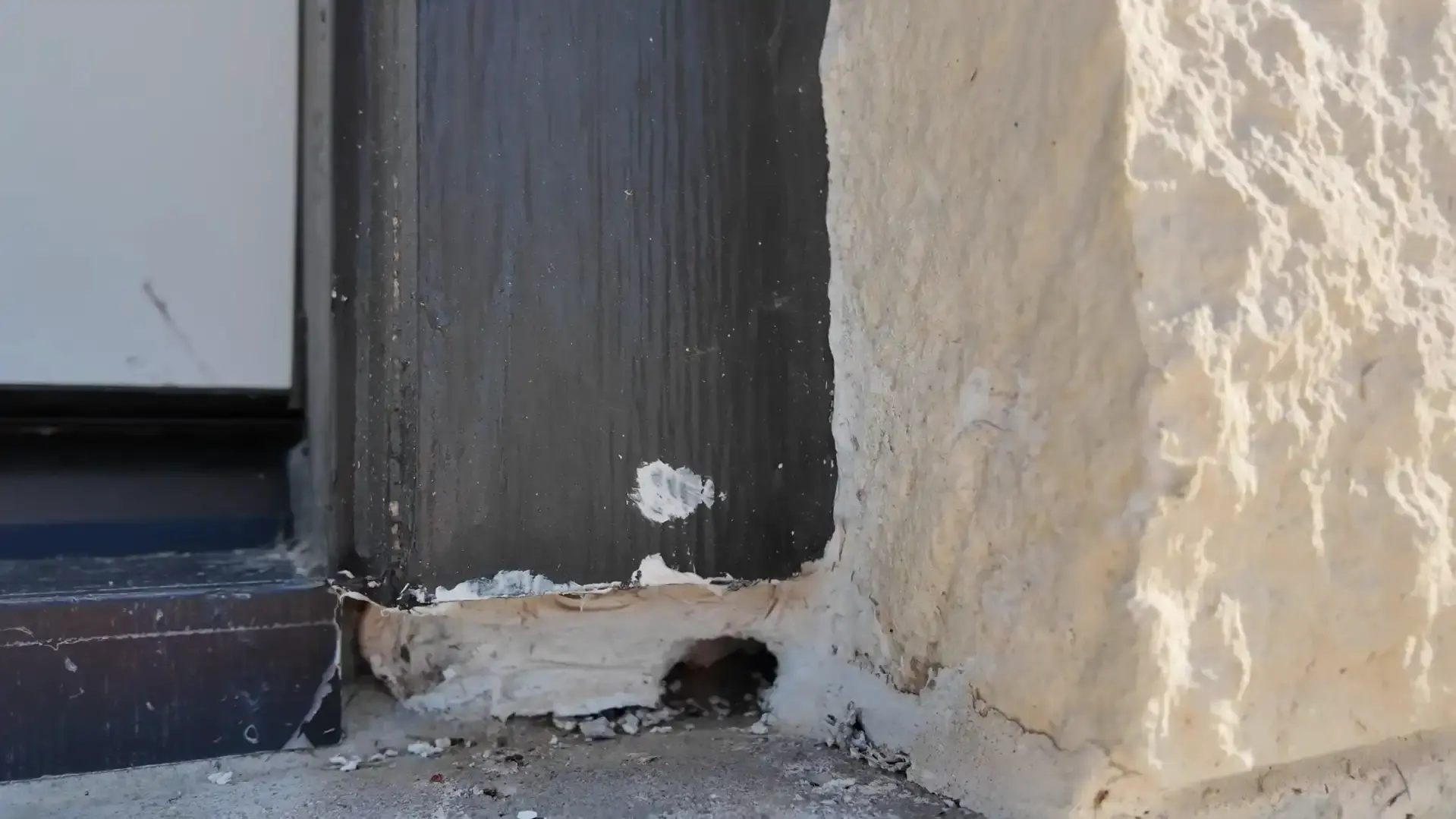
Air it out
Open doors and windows and leave for at least 30 minutes before you start. Fresh air helps clear dust from the space.
Gear up
Wear rubber or nitrile gloves and eye protection. Do not use a vacuum or broom, because they put dust in the air.
Wet it down
Spray droppings, nests and nearby surfaces with a fresh bleach solution (the National Park Service uses 1 part bleach to 10 parts water) or an EPA-registered disinfectant. Never mix bleach with other cleaners. Let it sit at least 10 minutes.
Wipe, do not sweep
Use paper towels. Place everything in a sealed bag, then a second bag, and put it in the outdoor trash.
Handle dead mice the same way,
Handle dead mice the same way, with a bag turned over your gloved hand, so you never touch the body directly. Seal it in a second bag and put it in the outdoor trash.
Wash up
Disinfect or throw away gloves, then wash your hands with soap and water.
When to call a pro
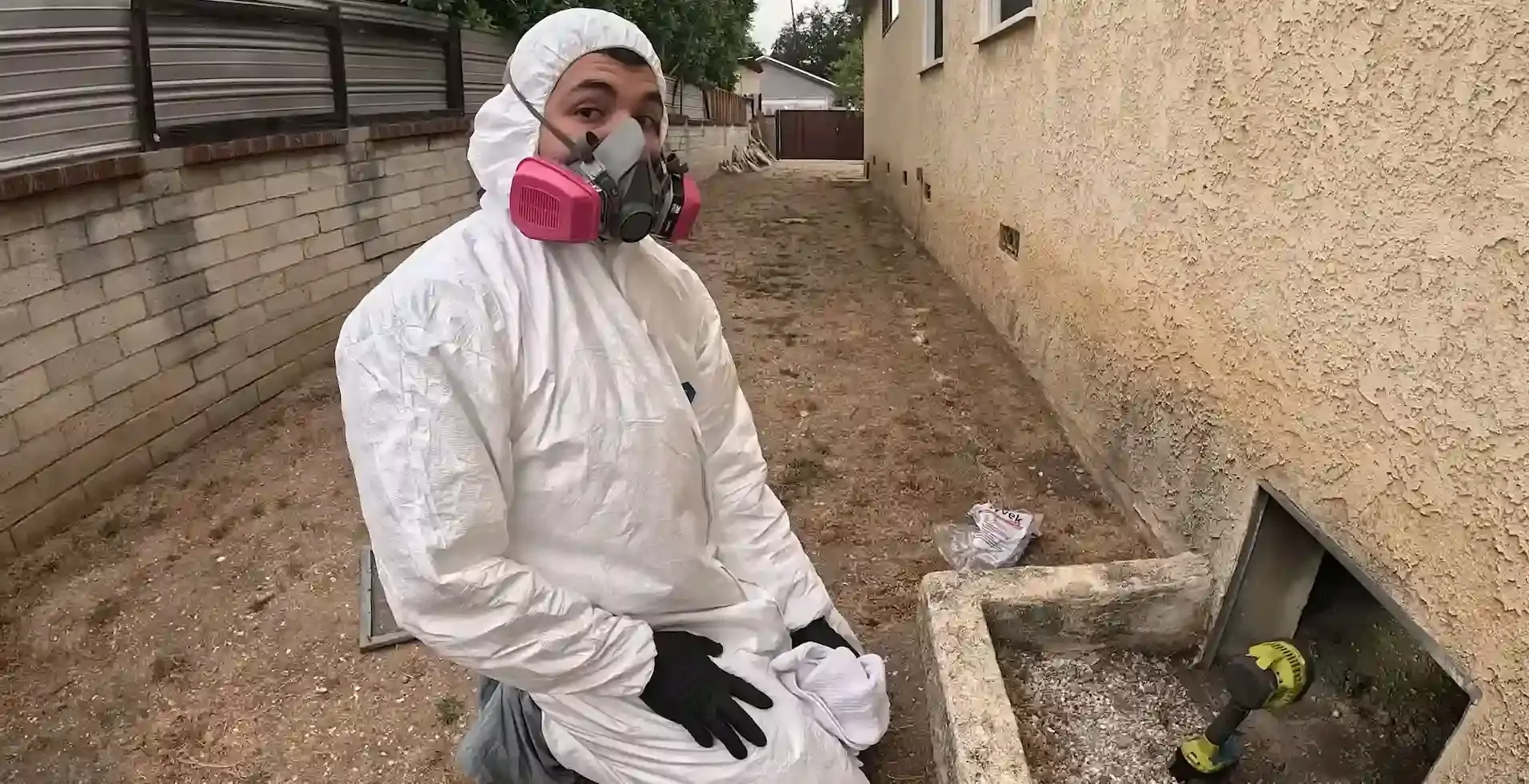
the NPS says an infestation larger than a boot print needs stronger protective gear. If you find nests, lots of droppings, or a closed-up space with heavy dust, our Rodent Droppings Cleanup team can handle it. and the Rodent Health Risks guide.
Santa Barbara rodent control
How to keep deer mice out of your home, shed or cabin
Keeping deer mice out comes down to a few steps. Here is what works best for homes, sheds and cabins.
Seal gaps bigger than ¼ inch
around doors, windows, pipes and vents. Use cement, steel wool with sealant, wire screening or hardware cloth. Mice chew through foam and plastic.
Use snap traps,
Use snap traps, not glue boards or live traps. Check them daily, and wear gloves.
Remove hiding spots
Move firewood, brush piles and debris away from walls. Agencies suggest anywhere from 18 inches to 100 feet, and farther is better.
Store food and pet food in sealed containers,
Store food and pet food in sealed containers, and keep trash lids tight. This removes the easy meals that keep mice coming back.
Fall is the key season
Mice look for shelter indoors as nights cool, so seal and set traps before then. Doing this in late summer saves trouble later.
Our Rodent Exclusion and Sealing service closes these gaps with metal and concrete repairs, not temporary fixes.
Santa Barbara rodent control
Before you open it up: the closed-space checklist
The Santa Ynez case involved a trailer. Spaces that have been shut for months deserve a plan. Use this before you enter a shed, RV, trailer, cabin or stored-up garage.
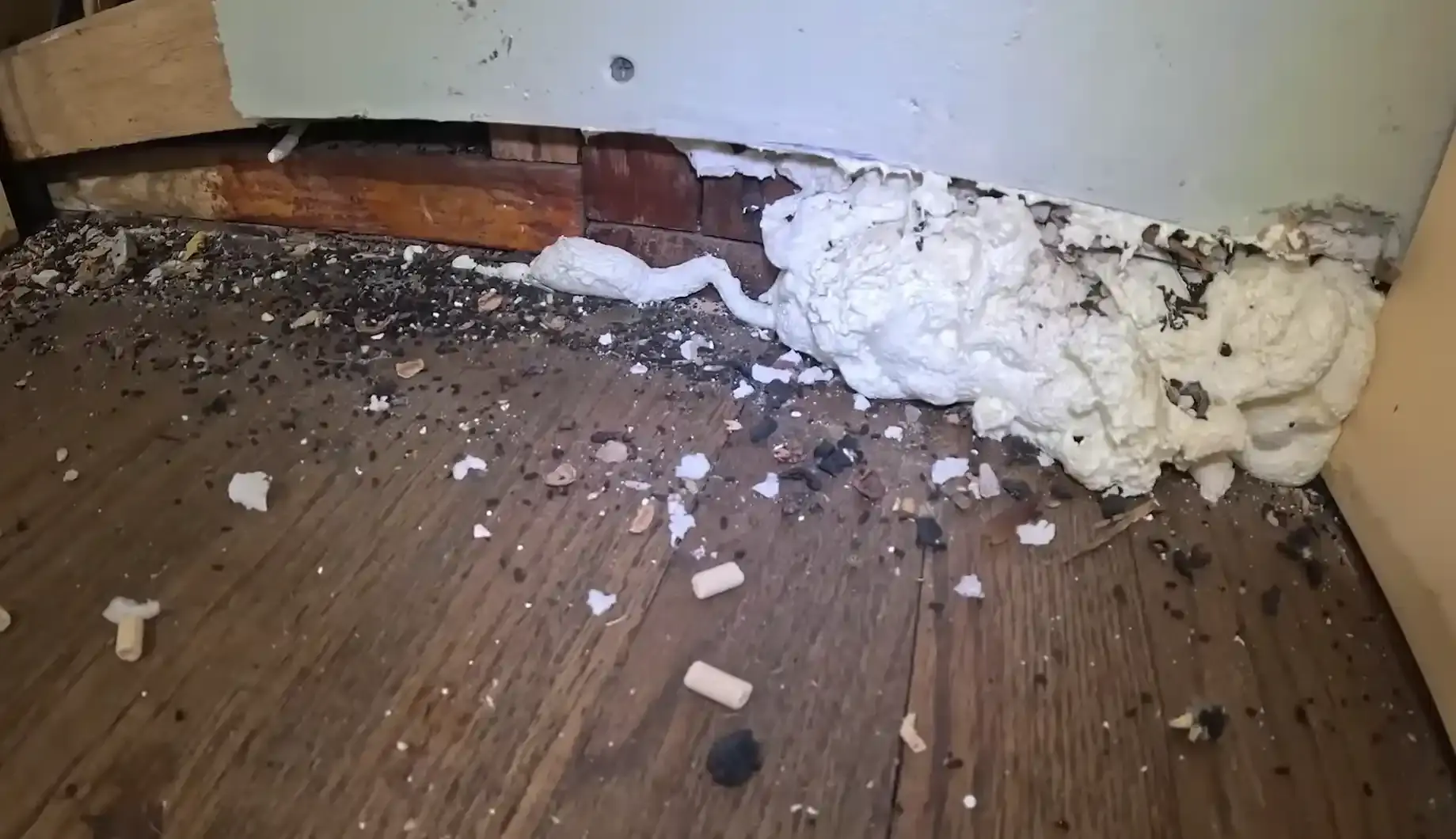
- Open doors and windows first. Wait at least 30 minutes.
- Look from the doorway. Do you see droppings, nests or shredded material?
- If you see more than a few droppings, stop and call a pro.
- Gather gloves, eye protection, disinfectant, paper towels and trash bags.
- Never start with a broom, vacuum, leaf blower or fan.
- After cleanup, wash up, and set snap traps before you leave.
What we offer
What we offer for deer mice
Every job starts with a free consultation call to plan the work. You get a written quote after we see your home, before any work starts.
Deer mouse trapping program
Snap traps, check visits and safe removal.
Sealing and exclusion
Metal and concrete repairs at entry gaps.
Droppings and nest cleanup
Wet clean-up and disinfecting, with protective gear.
Dead rodent removal
For smells in walls or ceilings.
Monitoring visit
A re-check to confirm the mice are gone.
See all options on our Rodent Control Services page.
Where we work
Areas we cover
We help properties near open space and the foothills with deer mice, including the Santa Barbara Riviera, Mission Canyon, Montecito, Hope Ranch, Goleta, Santa Ynez Valley, Carpinteria and Summerland.


Is hantavirus common in California?
No, it is rare. Santa Barbara County's last diagnosed case was in August 2020, and the last known death was in 1992.
Is hantavirus always fatal?
No. About 30 to 40% of cases are fatal, which means most people survive. The risk is higher without quick medical care, so see a doctor fast if you have symptoms after rodent contact.
How long after exposure do hantavirus symptoms start?
Usually 1 to 3 weeks, but up to 8. The CDC advises watching your health for up to 8 weeks after possible exposure.
Can hantavirus spread from person to person?
Not the kind carried by deer mice. Sin Nombre virus does not spread between people. The Andes virus from the 2026 cruise ship outbreak is a South American strain that can spread with close contact.
Can I get hantavirus from mouse droppings in my kitchen?
It is unlikely. Most kitchen mice are house mice, which are not the known hantavirus carrier in California. House mice carry other germs, though, so clean up wet and wash your hands. See our House Mice page.
Is bleach the right cleaner?
Bleach or an EPA-registered disinfectant both work. Use a fresh solution, wet the droppings fully, and wait at least 10 minutes. Mixes vary by agency, so follow the product label. Never mix bleach with other cleaners.
Do I need a mask to clean up droppings?
Gloves are the must-have for a small clean-up, and wet-cleaning is what lowers the dust. Agencies note that ordinary dust or surgical masks are not adequate for heavy contamination. If the area is dusty or the droppings are heavy, do not do it yourself. Call a pro with the right protective gear.
How do I get rid of deer mice?
Trap, seal, clean. Use snap traps along walls, close every gap over ¼ inch with metal or concrete, and clean droppings wet. Seal first if you can, so no new mice arrive.
Who can I call with hantavirus questions in Santa Barbara County?
The Mosquito and Vector Management District at (805) 969-5050. For symptoms, call your doctor. For trouble breathing, call 911. The district also offers free rat and mouse property inspections.
Found droppings in a shed or cabin?
Photograph from a distance and do not sweep
Deer mouse droppings call for careful cleaning. Send a photo first and we will explain the safe steps.
- 1The area from a distance
A wide shot of the shed, cabin, RV or garage.
- 2Droppings
A close-up, without touching or disturbing them.
- 3Nesting material
Shredded items or stored boxes that look chewed.
- 4Ventilation
Whether the space has been closed up for a while.
- 5Gaps and doors
How a mouse could get in.
Ready when you are
Ready for deer mouse control in Santa Barbara?
Call us for a free consultation. We will find the entry gaps, trap the mice, clean up safely and seal your property.
- Call us(805) 429-3801
- Email[email protected]
- Office716 N Milpas St, Santa Barbara, CA 93103
- HoursMonday to Saturday, 8:00 AM to 6:00 PM

Sources
- Mosquito and Vector Management District of Santa Barbara County: Hantavirus and Arenavirus
- Santa Barbara Independent: Five Californians Exposed to Andes Hantavirus in Cruise-Ship Outbreak (May 14, 2026)
- National Park Service: Hantavirus Pulmonary Syndrome
- CDPH: Preventing Hantavirus Pulmonary Syndrome in the Workplace
- Los Angeles County Public Health: Hantavirus in California
- UC IPM: House Mouse Pest Notes