
Rodent Shield Santa Barbara
Commercial Rodent Control Santa Barbara, CA
Serving State Street • Funk Zone • Waterfront • Milpas. One rat can cost you customers, reviews and an inspection. We work around your hours, seal the building and leave a written log every visit. Same-day or next-day visits are often available.
Why it happens
Restaurant Rodent Control in Santa Barbara: Why It Cannot Wait
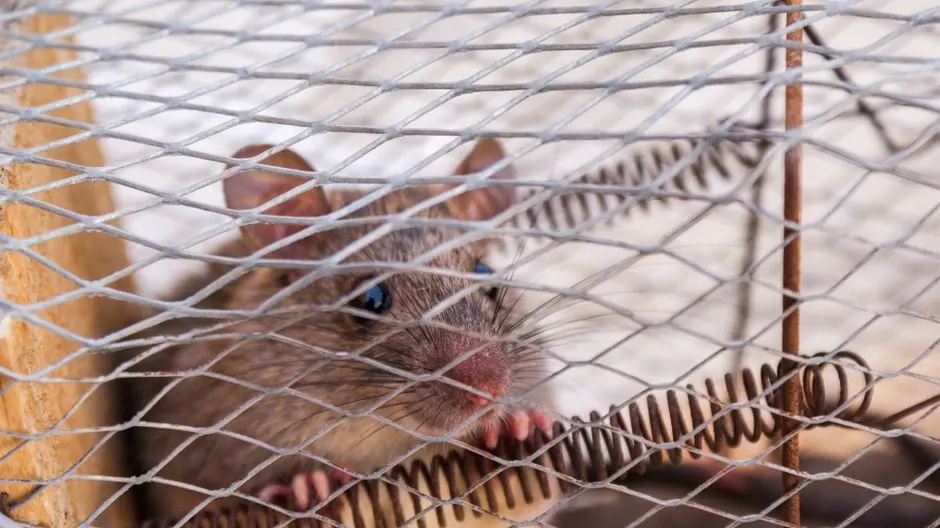
Restaurant rodent control Santa Barbara owners need is not just about pests. One sighting by a guest can end up in a review or on social media. A health inspector who finds droppings can write you up or close you down.
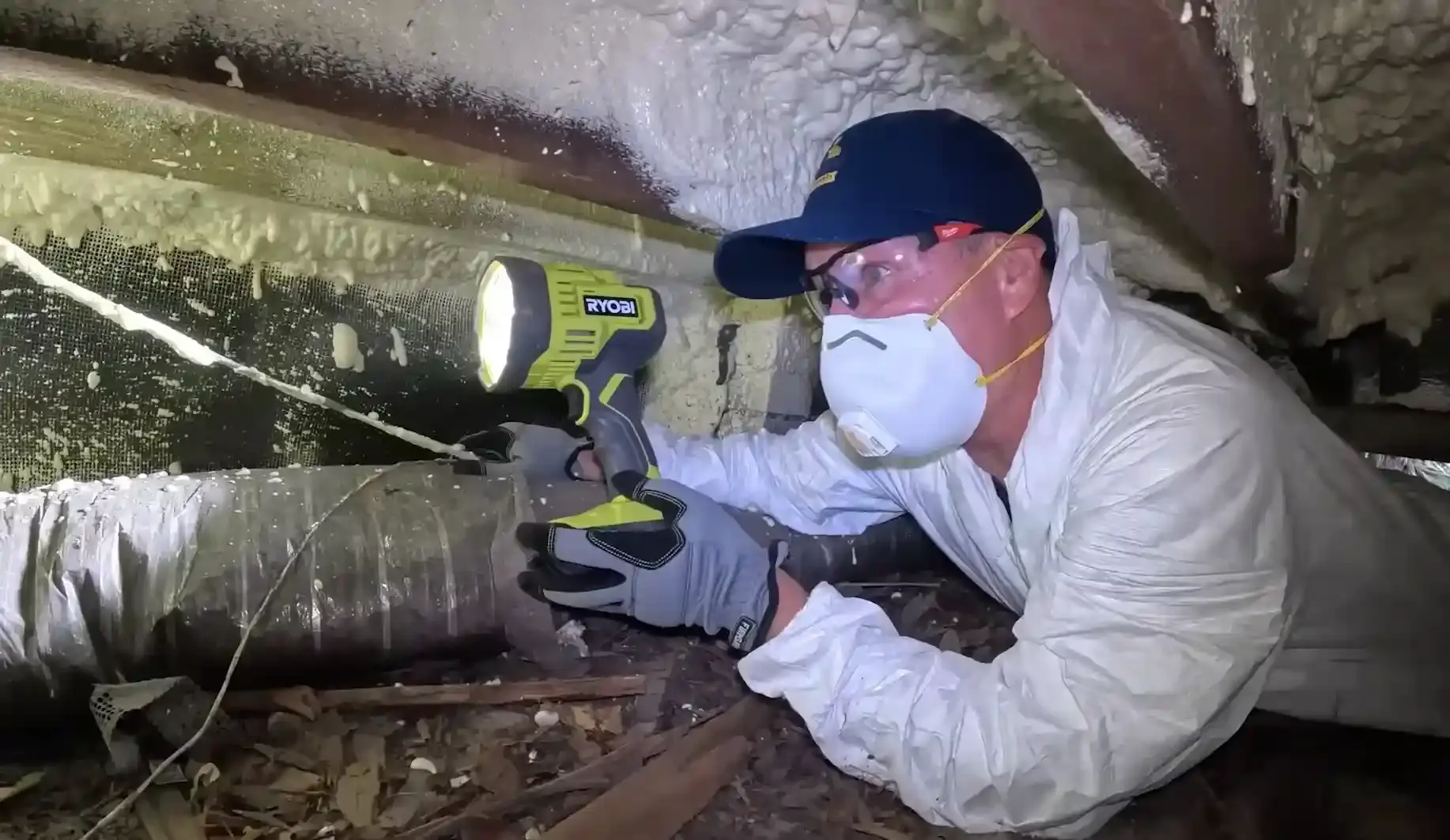
Restaurants attract rodents because they have food, water, warmth and plenty of hiding spots. Downtown streets near State Street, the Funk Zone, the waterfront and the Granada area have shared alleys, dumpsters and older buildings. That gives rodents many ways to travel between businesses.
Common problem spots:
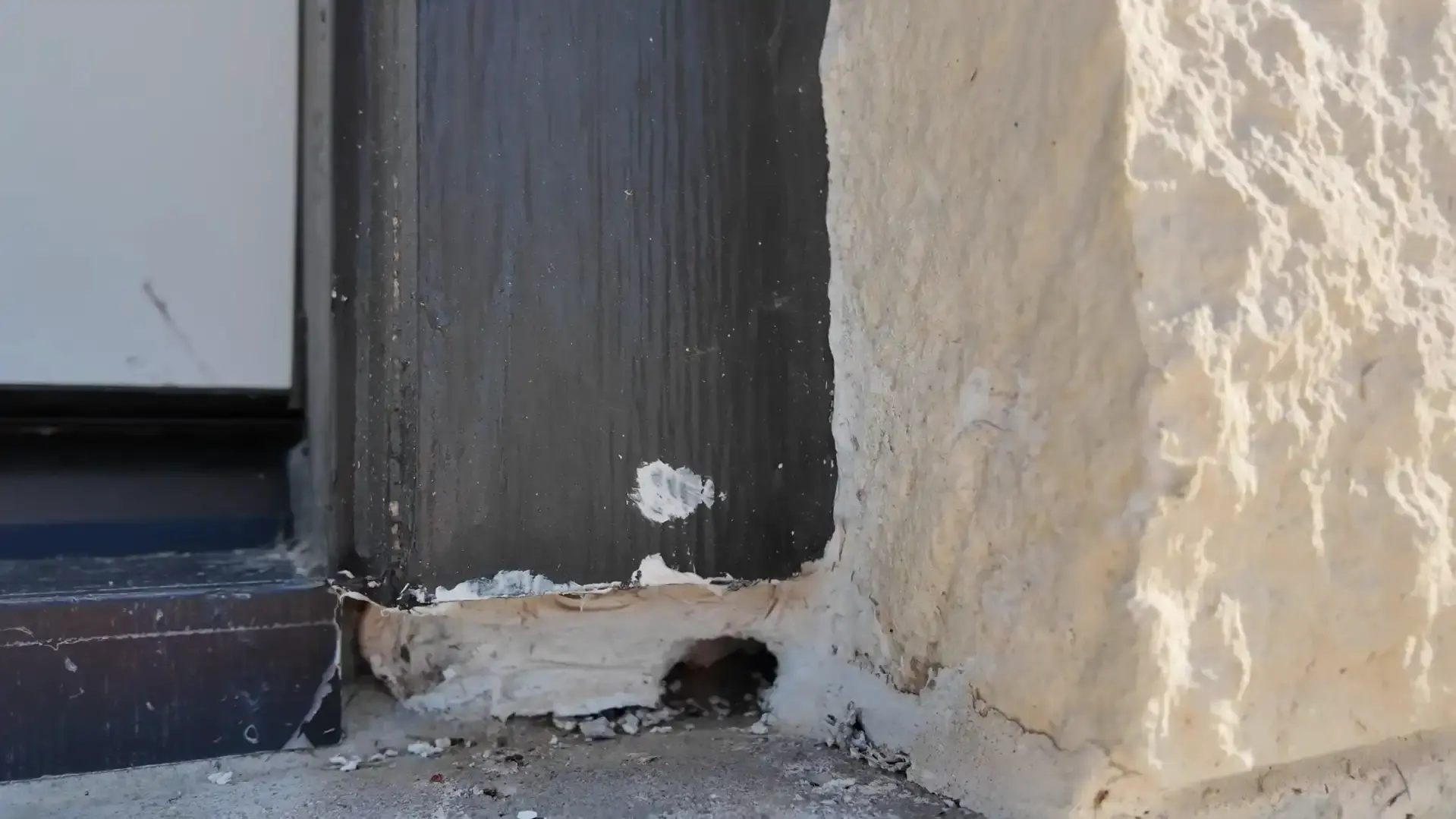
- Back doors with gaps at the bottom or sides
- Grease traps and floor drains
- Dumpsters and trash enclosures that are not tightly closed
- Walk-in coolers, dry storage and shelves along walls
- Gaps around pipes, gas lines and exhaust hoods
- Roof access, vents and shared walls with neighbors
Do rats in a restaurant mean I will fail my health inspection?
Not always, but active signs make a violation likely. Inspectors look for droppings, gnaw marks, nests and live rodents. A clear pest control record and fast action help you. Fixing the problem quickly matters more than hiding it.
Santa Barbara rodent control
Rats in a Restaurant: What to Do in the First 24 Hours
If you see a rat in your restaurant, act the same day. Good business rodent control starts with a few simple moves, even before we arrive.
Do not panic or tell the whole staff to chase it
Chasing a rodent scatters it into walls and storage, where it is harder to find. Stay calm and note where and when it was seen and by whom, so we can start the search in the right spot.
Protect food
Cover or move open food, and store dry goods in sealed bins off the floor. Food that is easy to reach is what keeps a rodent coming back to the same area.
Clean food and grease spots
Wipe floors, drains and prep areas at close. Grease and crumbs under equipment are a steady food source, and rodents follow the smell.
Take out the trash and close the lids
Rodents come for waste first. Empty bins at close, keep lids tight and keep the dumpster area clean so there is nothing drawing them toward the building.
Call us
Call with what you saw and where. We inspect the same day or next day when the schedule allows, and we plan the work around your hours.
Please do not put out loose poison in a kitchen. Rodents can die in walls or near food, and that is worse than the first problem.
How fast can you start for a restaurant or shop?
Same-day or next-day inspections are often possible, depending on how busy we are. Call us if a guest saw a rodent or an inspection is coming. We can work early, late or on closed days to avoid disrupting service.
How we work
Our Commercial Rodent Control Process
A business cannot shut down for a week to deal with rodents, so the work is planned around your hours and your inspections. Here is how it runs, with what each step includes.
 01
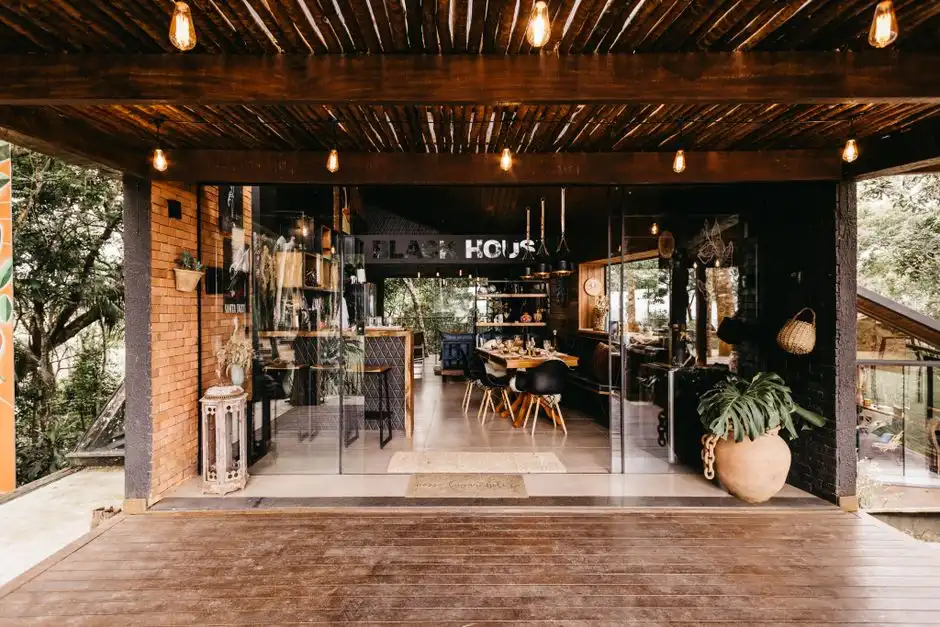
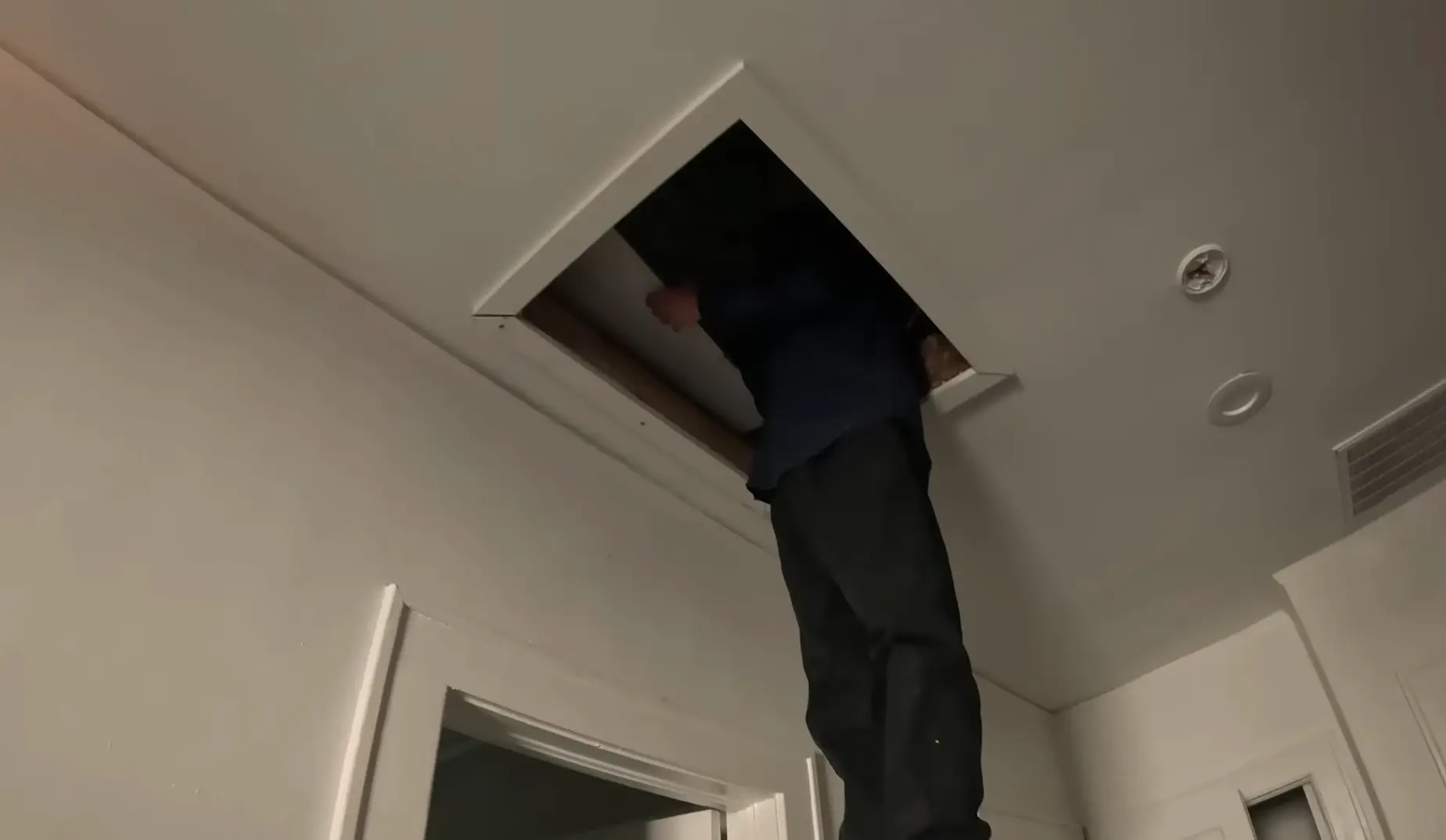
Inspect
We check the inside and outside of the building, from the roof to the floor drains. You get photos and a written list of what we find.
What is included
- Commercial inspection with a written report
 02
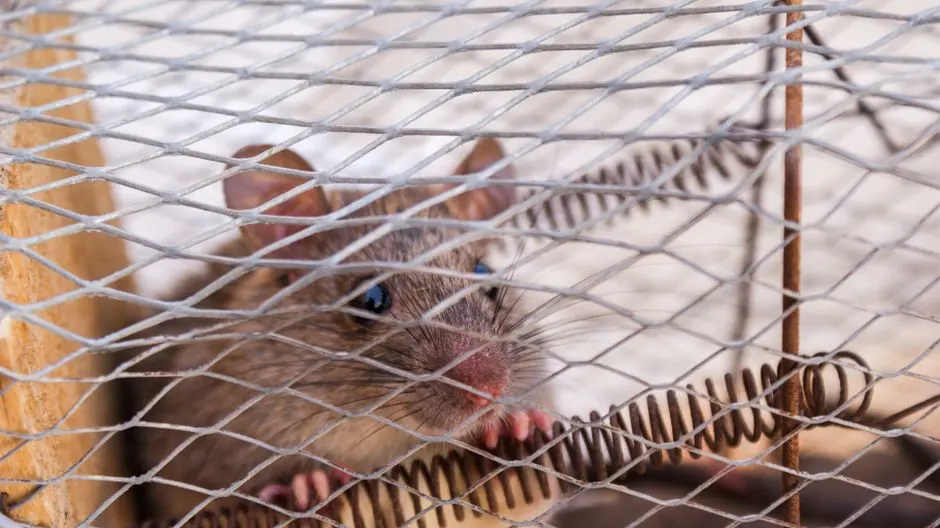
Remove
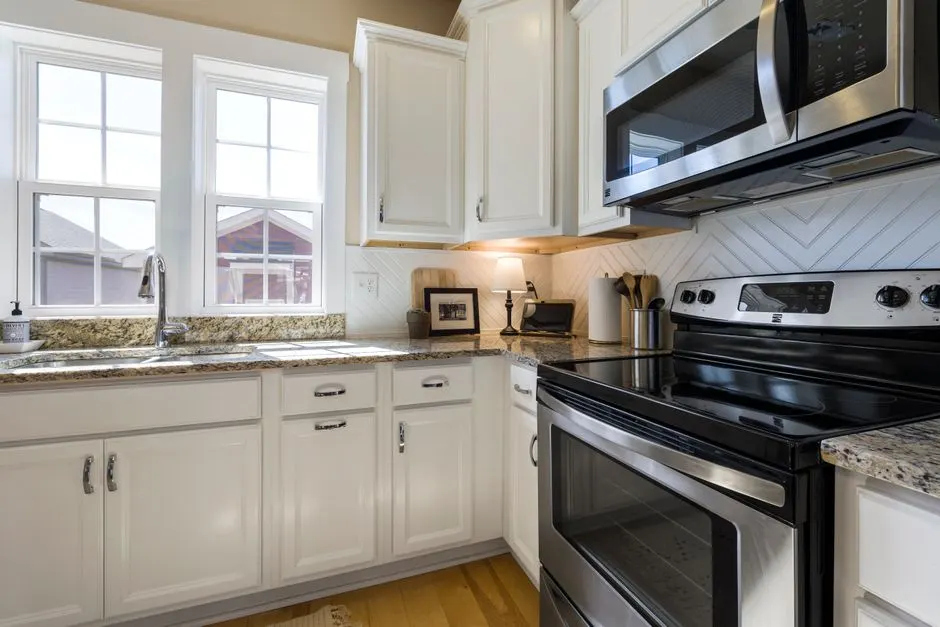
Our technicians use traps and monitors in the right spots. The crew avoids loose poison inside food areas.
What is included
- One-time removal, based on building size and the number of entry points
- Emergency visits for guest sightings or a pending inspection
 03
Seal
Our technicians close gaps at doors, pipes, vents and walls with metal and long-lasting materials. This is the key to staying clear.
What is included
- Exclusion work: doors, vents, roofs, walls and pipes sealed with metal
 04
Clean
Our technicians remove droppings and nests and treat the area with the right products.
What is included
- Cleanup and sanitizing of droppings, nests and contaminated materials
 05
Monitor and report
Our technicians check back on a schedule and keep records you can show an inspector.
What is included
- Monthly monitoring plan with visits, trap checks and records
- Inspection-ready reports: photos and logs you can show an inspector or insurer
Do you work at night or when we are closed?
Yes, we can schedule around your hours. Many commercial jobs happen early in the morning, late at night or on slow days. We try to keep guests and staff from noticing us.
Will customers know you are there?
Not unless you tell them. We use unmarked vehicles when requested and keep conversations and paperwork private. The crew keeps the work discreet to protect your reputation.
A small cafe costs less than a large hotel or warehouse. A monthly plan often costs less over a year than repeat emergency calls.
How much does commercial rodent control cost?
It depends on the size of the building and the number of entry points. A single-room shop costs less than a multi-room restaurant or a large warehouse. A monitoring plan, if you choose one, is quoted separately. The inspection gives you a clear plan and a written price.
Do I need a monthly rodent contract or a one-time fix?
Restaurants and food businesses usually benefit from a monthly plan. It keeps records and catches new problems early. Offices and shops with a one-time issue may only need removal and sealing, plus a check after a few weeks.
What we offer
What Affects the Price of Commercial Rodent Control
Every building is different, so we write a plan before we price it. Four things move the number:
Building size and layout
A small shop takes less time than a multi-room restaurant, hotel or warehouse. We walk the whole building before we quote.
Entry points and risk areas
Doors, roof access, drains and loading areas all need checking. More openings and higher-risk areas mean more sealing work.
Work around your hours
If the work has to happen after hours or around service, we plan it that way. The schedule is part of the written plan.
One-time fix or ongoing plan
A one-time job is quoted by itself, and monitoring is quoted separately if you choose it. You can see the reports and logs each visit produces.
You see the full price in writing before any work starts
A written scope means there are no open-ended contracts.
Santa Barbara rodent control
Business Rodent Control for Shops, Hotels, Warehouses and Offices
Restaurants are not the only ones at risk. Each kind of business has its own weak spots.
| Business type | Common problem |
|---|---|
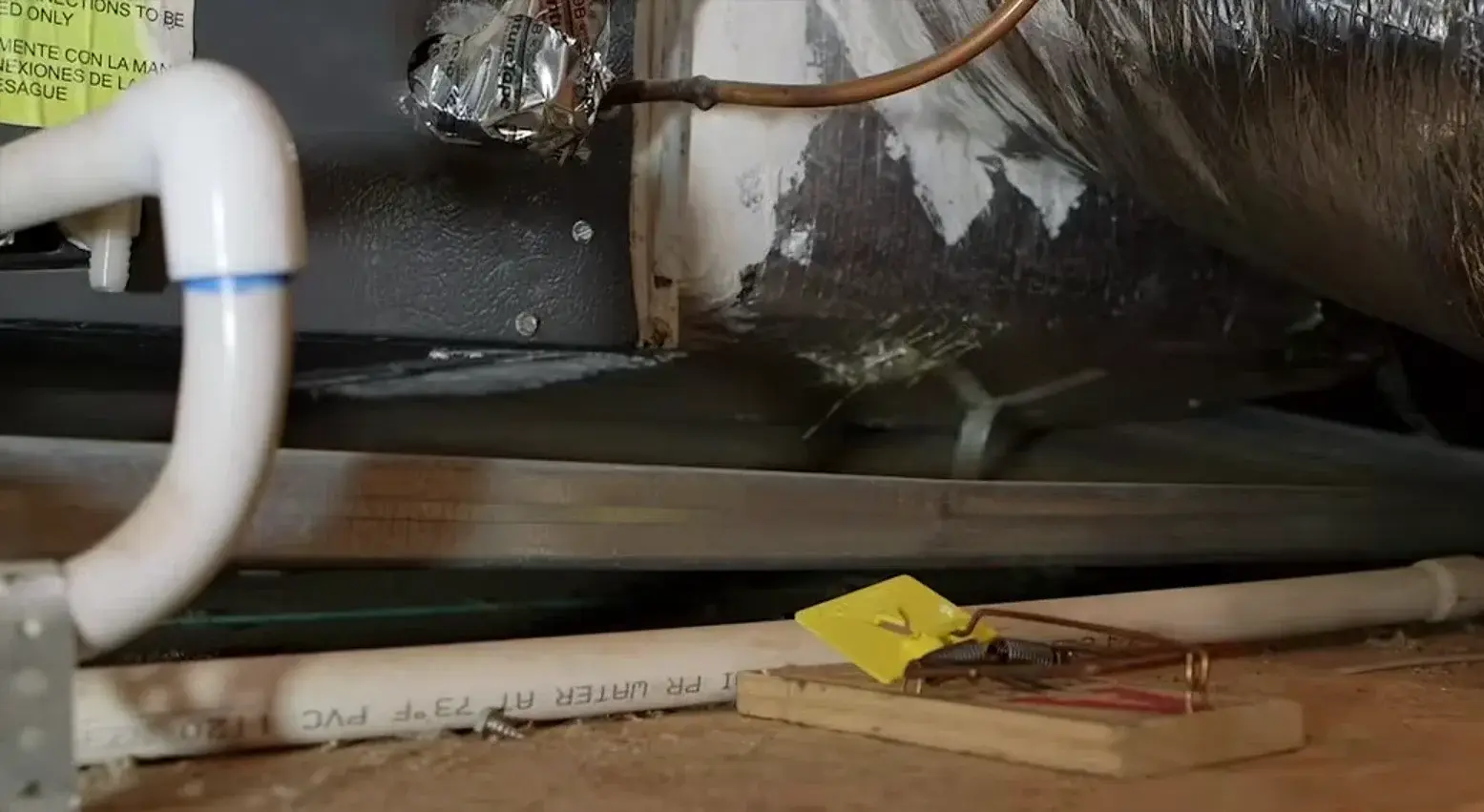
| Cafes, bars and bakeries | Food scraps, dumpsters, back doors |
| Grocery and retail shops | Stockrooms, cardboard, loading doors |
| Hotels and inns | Kitchens, laundry rooms, trash areas, roof gaps |
| Warehouses and wineries | Stored goods, large doors, pallets |
| Offices and medical suites | Ceiling gaps, break rooms, shared walls |
| Apartment buildings and shopping centers | Shared trash areas, utility rooms, many tenants |
We tailor the plan to your building. A winery near Funk Zone and a shop on State Street do not need the same fix.
Why choose us
Why Businesses Choose Us for Rodent Control
A business needs more than a one-time visit. It needs a record, a plan and no surprises on inspection day.
Records
You get written reports with photos showing what we found, what we did and when we checked back. They are ready to show an inspector, an insurer or the owner.
Sealing
We close entry points with metal, including doors, drains and utility lines. Sealing is what keeps the problem from returning after the traps come out.
Disruption
Visits are scheduled around your opening hours where we can, so service and customers are not interrupted. After-hours work becomes part of the written plan.
Method
We use a trap-first approach, with placement chosen for where staff and customers actually are. No loose bait is left out in food areas.
The quote: A written scope and price before work starts.
Call Us: (805) 429-3801Who we help
Types of Business We Help
Restaurants, shops, offices and warehouses each carry different risks. These are the kinds of businesses we most often work with.
Restaurants, cafes and bars
Kitchens, bars and back storage give rodents food and shelter. We inspect drains, doors and storage, then trap and seal around the building.
Hotels, inns and event venues
Guest-facing buildings need quiet, discreet work. We plan visits around check-in times and events, and give you a report for your records.
Retail shops and grocery stores
Stockrooms, loading doors and packaged food draw rodents. We check delivery areas and storage and close the gaps they use.
Wineries, warehouses and storage buildings
Large buildings have loading doors, pallets and stored goods that give rodents cover. We map the building and seal the doors, vents and utility lines.
Offices, clinics and schools
Break rooms and trash areas are the usual attractions. We place traps away from people and keep visits short and scheduled.
Property managers
Managers of shopping centers and mixed-use buildings can have one tenant's problem move through shared walls. We plan the whole building and report by unit.
Where we work
Businesses We Serve Across Santa Barbara
Our team works across Santa Barbara and the nearby South Coast towns. If your street is not listed, call and we will tell you whether we can come out.
- We serve the City of Santa Barbara and nearby areas, including State Street, the Funk Zone, the waterfront and Cabrillo Blvd, the Mesa, Upper East, Montecito, Summerland, Goleta, Isla Vista and Carpinteria.
- Our technicians also work near UCSB, Santa Barbara City College, Cottage Hospital and along Highway 101 and the Milpas corridor.
Our technicians serve businesses in Downtown and along the Eastside's Milpas corridor, plus hotels and restaurants on the Waterfront. Business parks in Goleta are covered too.


Who is responsible for rodents, the landlord or the tenant?
It depends on the lease and where the problem started. Many commercial leases make the tenant responsible for pests inside the unit and the landlord responsible for the structure and shared areas. Check your lease, then call us for the inspection.
How do rodents get into a commercial building?
Through gaps at doors, pipes, vents, roofs and shared walls. Rodents can pass from a neighbor, a dumpster or an alley into your building. Older downtown buildings have more hidden gaps. Sealing with metal is how we stop them.
Can you work in a kitchen without closing it?
Often yes, with planning. We schedule work for off-hours and keep food areas protected. Heavy cleanup or sealing may need a short closure. The crew tells you before we start.
Do you give reports for health inspectors?
Yes, we give written reports and photos. They show what was found, what was done and when the team checked back. This helps you show that you are acting on the problem.
What about the neighboring business?
Rodents do not stop at walls, so shared problems need shared fixes. If your neighbor has an issue, ask your landlord or property manager to coordinate. We can inspect shared areas, alleys and trash enclosures too.
How long until the rodents are gone?
Most commercial jobs clear within two to four weeks. Trapping begins right away, and sealing follows. Large or older buildings can take longer. We keep monitoring until activity stops.
Health and safety
Health Inspection Rodents: What Inspectors Look For
Health inspection rodents are one of the most common reasons for write-ups. Inspectors check for both live signs and the conditions that allow rodents to thrive.
Droppings
Droppings along walls, under shelves and behind equipment are the clearest sign of where rodents travel. Their location shows us the route, so we know where to place traps.
Gnaw marks
Gnaw marks on boxes, wires, door edges and food packaging show what rodents are chewing on. Chewed wiring can be a hazard, so we flag it for an electrician.
Grease smears
Dark smears along walls and baseboards come from rodent fur and show a route used night after night.
Gaps
Gaps at doors, pipes and vents let pests in. Even a small gap can be enough, so we check every one and note it in the report.
Food kept open or on the floor
Open food and stock on the floor give rodents an easy meal and a place to nest. Sealed bins and shelving off the floor remove that draw.
Trash areas
Full or open bins and dumpsters are where rodents feed first. Tight lids and a clean pad keep them from settling near your door.
A pest control record
A written record of inspections and actions shows inspectors that you are acting on the problem. We provide reports with photos and dates.
The best defense is a written pest program. It shows you inspect, seal and follow up, which is what an inspector wants to see.
Can a restaurant stay open with a rodent problem?
It depends on what an inspector finds. Minor signs can lead to a correction notice. A serious infestation can lead to a temporary closure until it is fixed. Quick treatment, cleaning and records help you reopen faster.
What we offer
What a Rodent Problem Really Costs a Business
The price of a rodent problem is more than the bill for the exterminator.
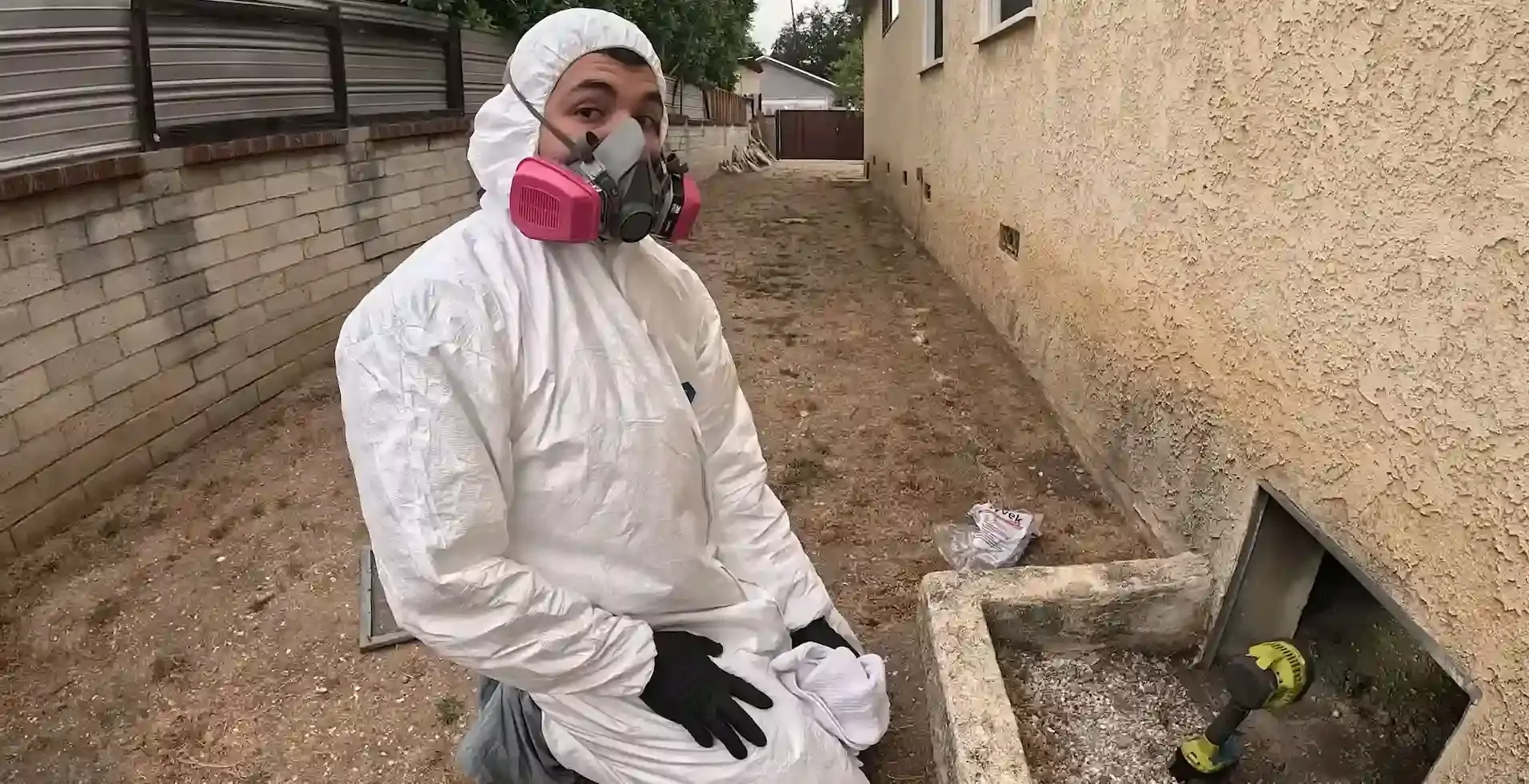
Lost customers
One sighting and one bad review can cost many future guests. Fast, quiet work and a clear record help you protect your name.
Wasted stock
Chewed packaging and contaminated food must be thrown out, which adds up over time. Stopping rodents early limits what you lose.
Health risk
Droppings and urine can spread germs to staff and customers. Cleanup with protective gear and sanitizing helps keep work areas safe.
Fire risk
Chewed wires behind walls and above ceilings are a hazard in any building. We note any damage we find so an electrician can repair it.
Closure
A serious infestation can lead to a stop on operations until it is fixed. A documented plan helps you show that you are dealing with it.
Staff morale
Employees do not want to work where rodents roam. Fixing the cause helps people feel comfortable on the job.
Acting early costs far less than waiting for a problem to grow.
More ways we help
Our Other Rodent-Control Services
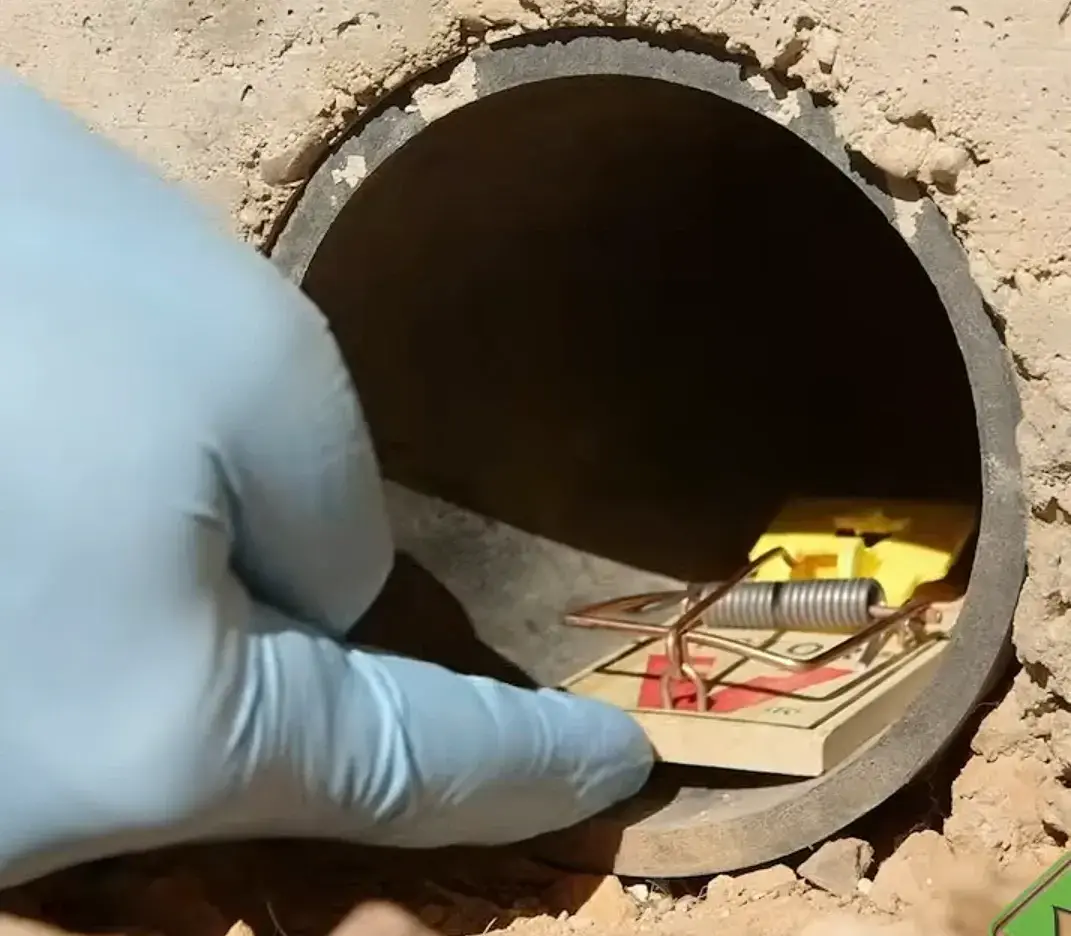
Rat Removal
Trapping, sealing and cleanup for rats in the attic, walls and yard.
View this service →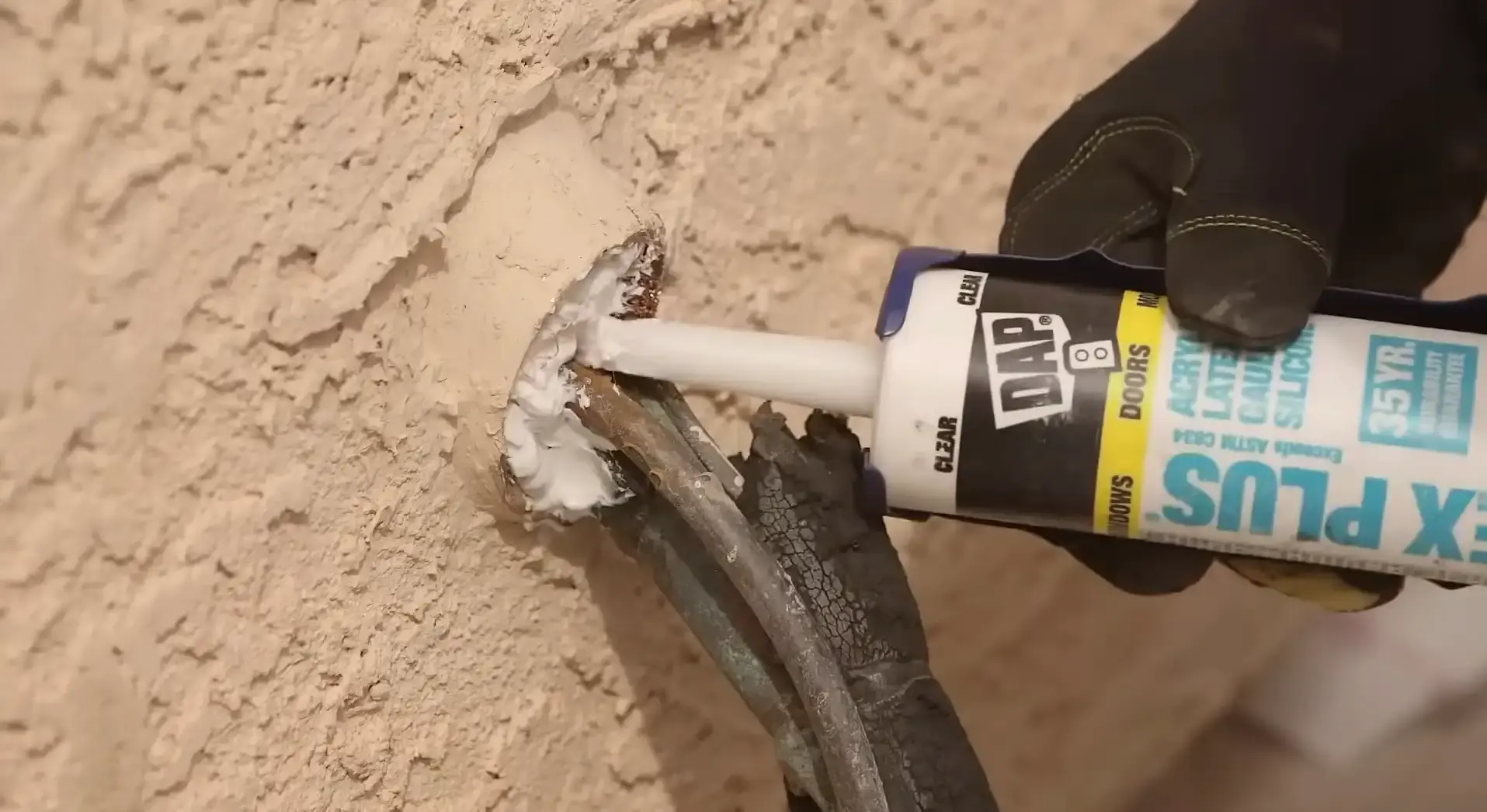
Rodent Exclusion & Proofing
Sealing the gaps rodents use with metal so they stay out.
View this service →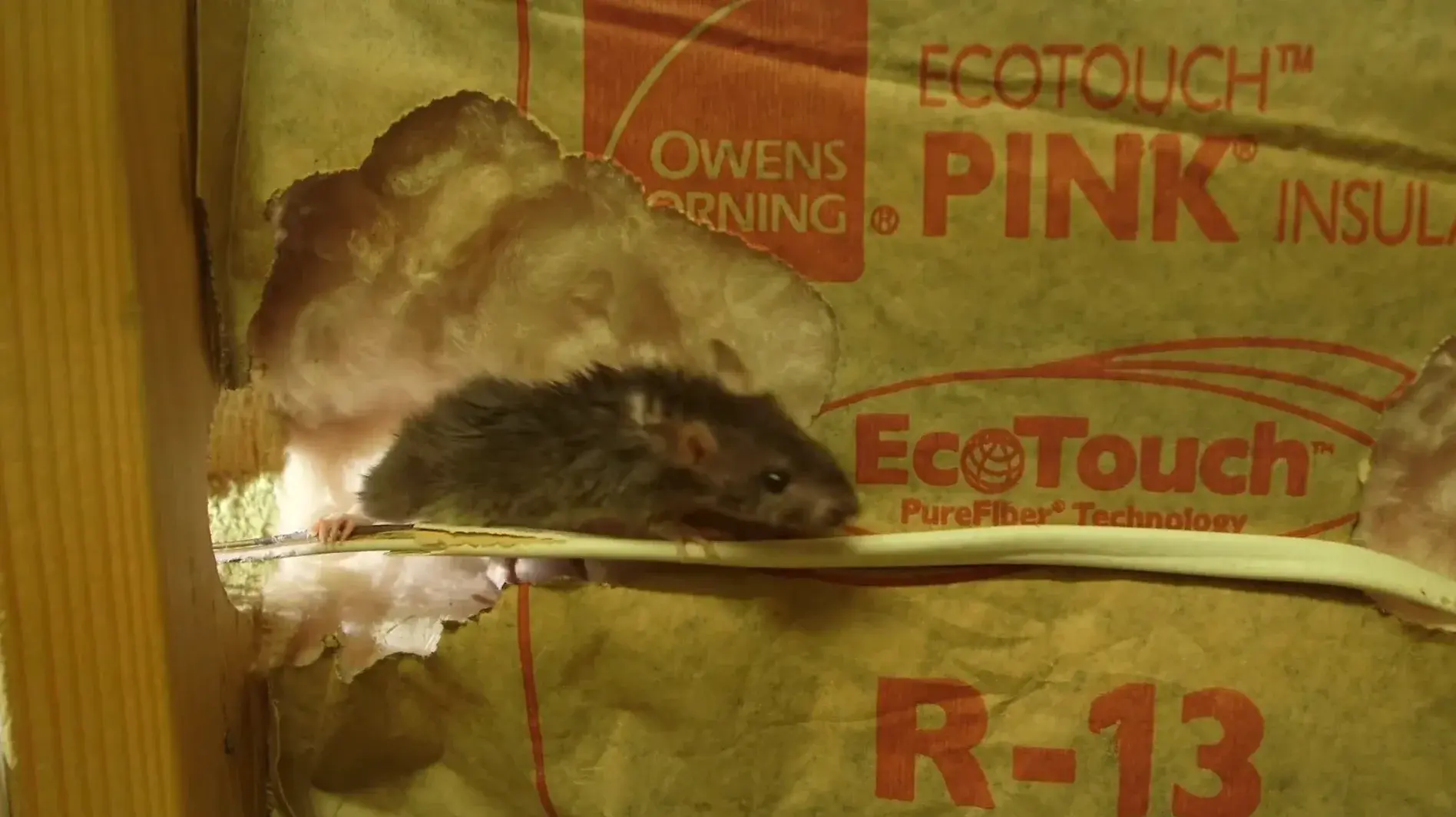
Attic Rodent Removal
Rats and mice out of the attic, with cleanup.
View this service →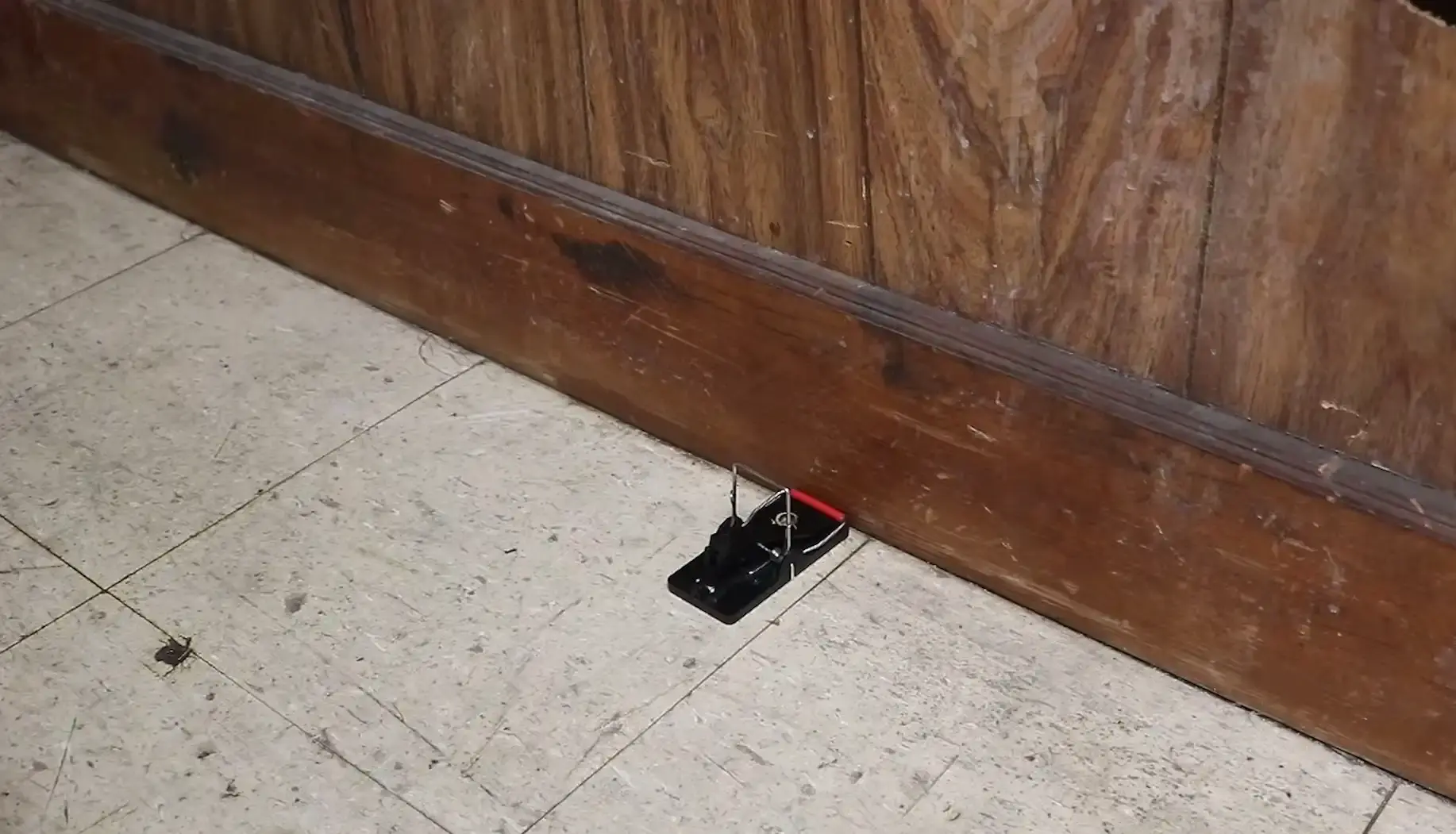
Vacant & Second Homes
Checks and sealing for empty and second homes.
View this service →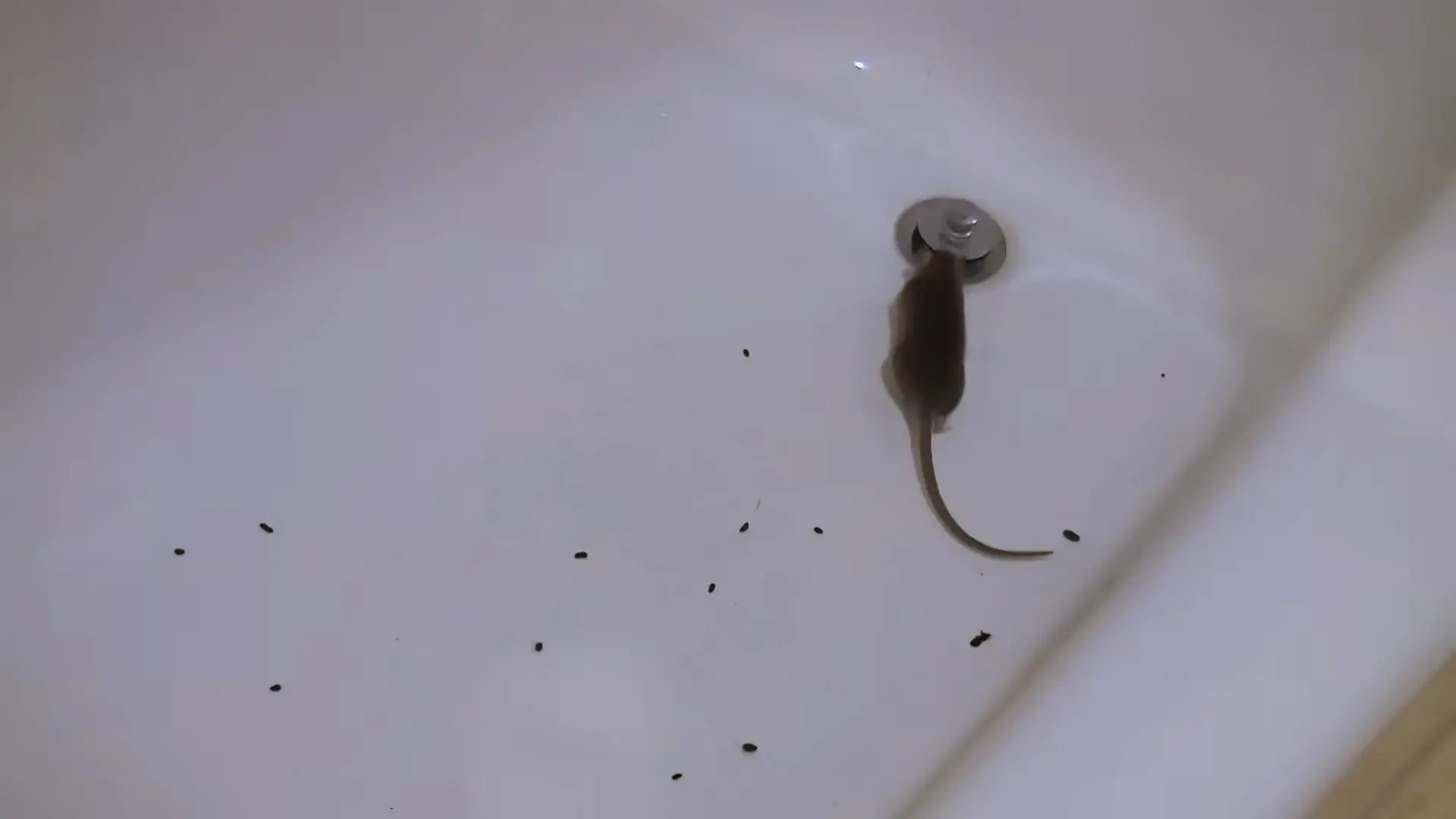
Mice Control
Trapping and sealing for house mice and deer mice.
View this service →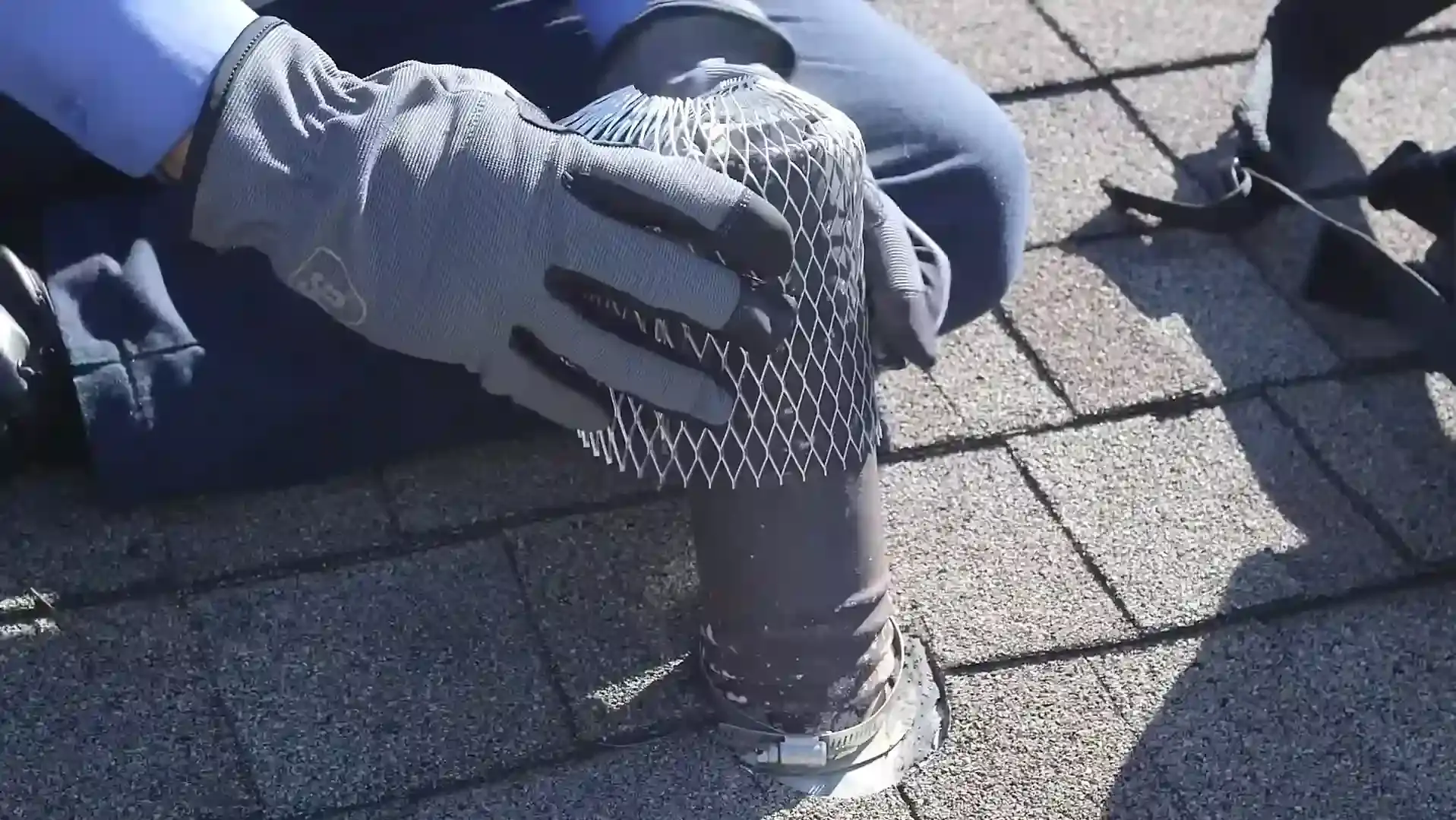
Squirrel Removal
Humane, legal squirrel removal and roof sealing.
View this service →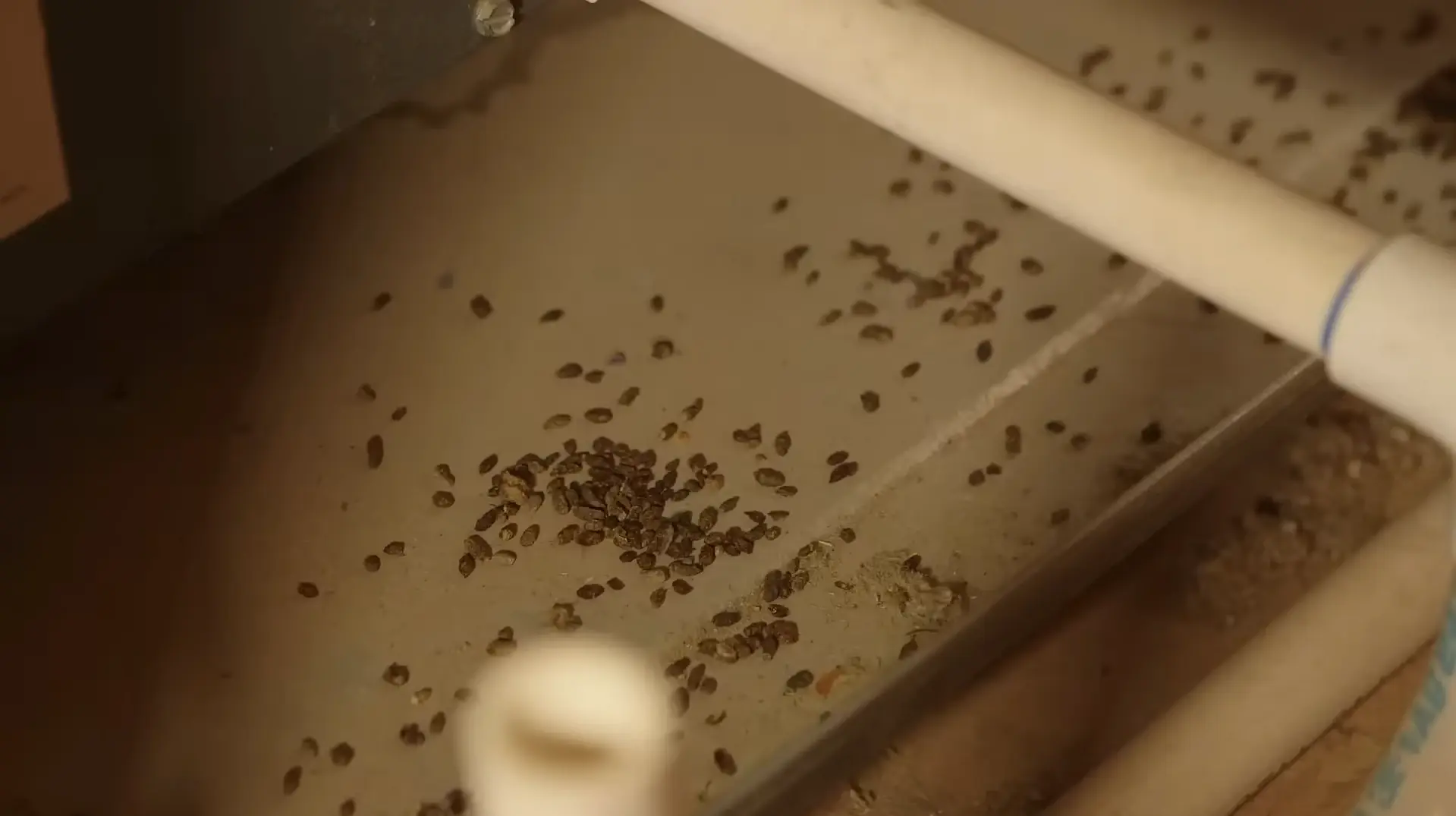
Cleanup & Insulation
Safe droppings cleanup and insulation replacement.
View this service →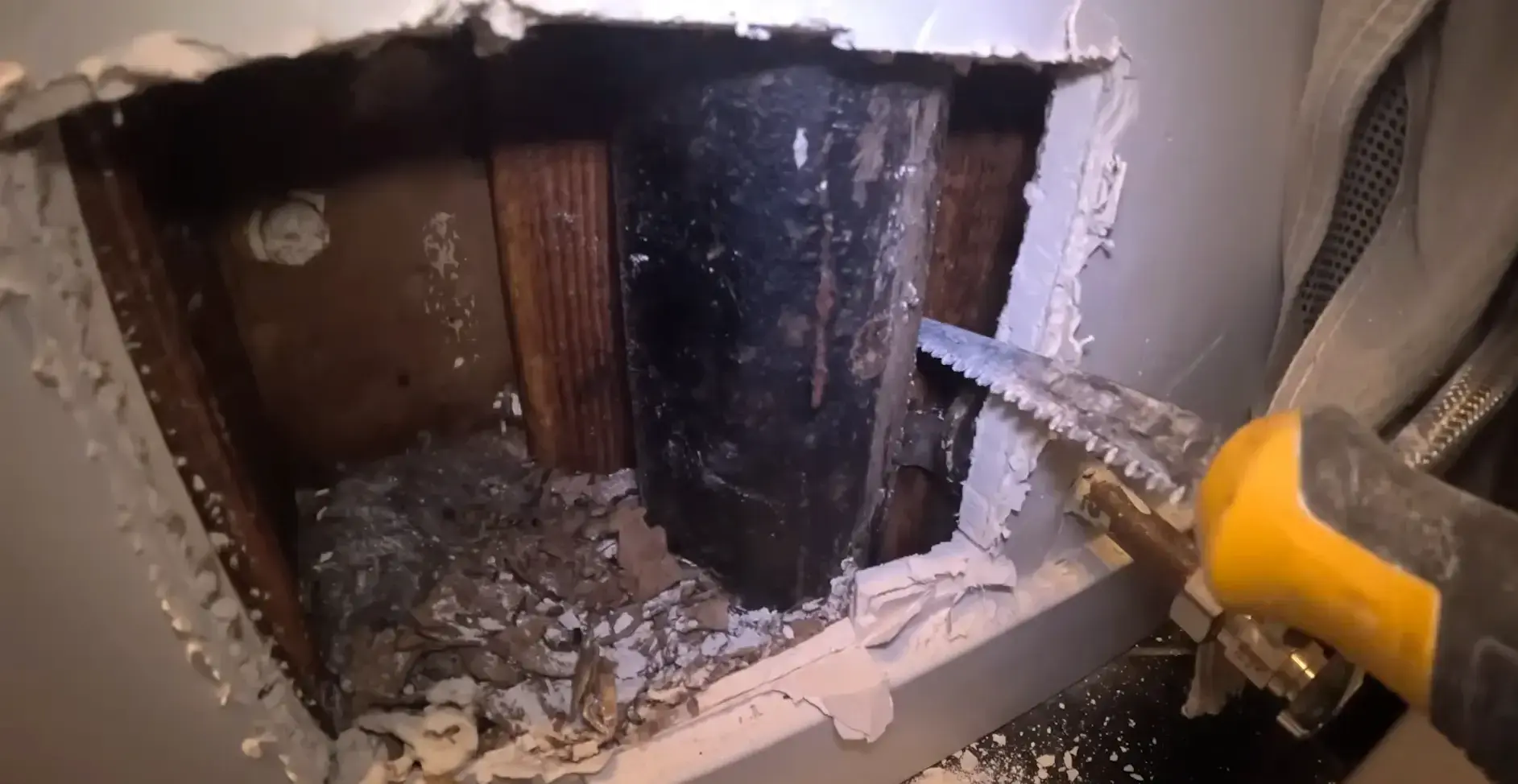
Dead Rat Smell Removal
We find and remove the source of a rotten smell.
View this service →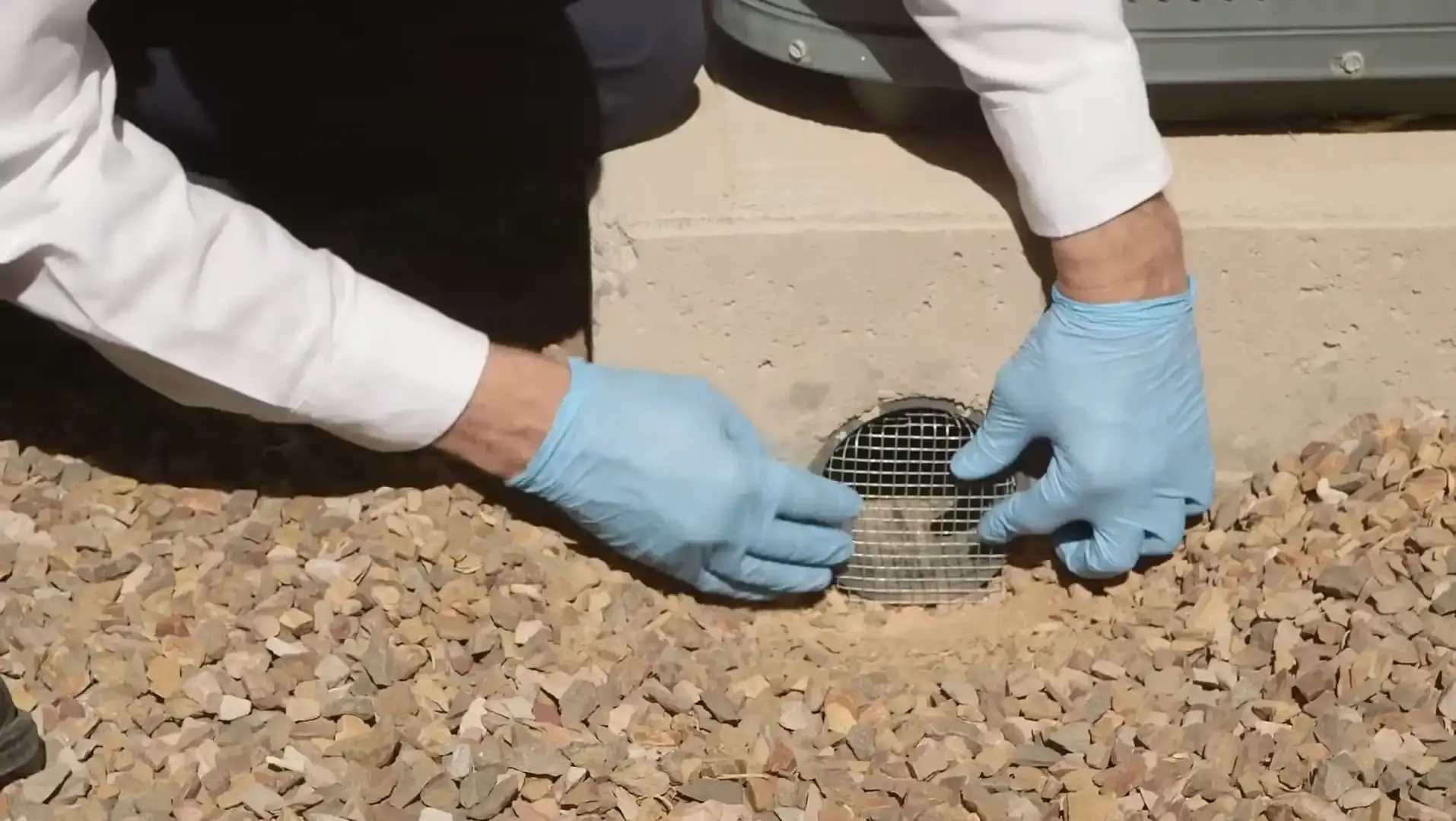
Crawl Space Control
Rodents out from under the floor, with vents and gaps sealed.
View this service →
Airbnb & Vacation Rentals
Fast response and reports for vacation rental hosts.
View this service →
Property Managers & HOAs
Building-wide control for landlords and HOAs.
View this service →Sighting at your business?
Send what your staff saw
Quick notes and photos let us plan around your hours and your inspections.
- 1Where it was seen
Kitchen, storage, dining room or back door, and the time.
- 2Droppings and gnawing
Photos of droppings, gnawed packaging or wires.
- 3Doors and gaps
Back doors, loading doors and any gaps at the corners.
- 4Trash and dumpster area
Lids, pad and how close it is to the building.
- 5Delivery and storage
Where boxes, pallets and dry goods sit.
Ready when you are
Ready to Handle a Rodent Problem at Your Business?
If rodents are putting your business at risk, do not wait for a bad review or an inspection. Commercial rodent control in Santa Barbara works best when it is fast, discreet and documented. Call us for an inspection. Same-day or next-day visits are often possible, and we will build a plan around your hours.
- Call us(805) 429-3801
- Email[email protected]
- Office716 N Milpas St, Santa Barbara, CA 93103
- HoursMonday to Saturday, 8:00 AM to 6:00 PM