

Rodent Shield Santa Barbara
Property Manager Rodent Control Santa Barbara, CA
Serving apartment buildings, HOAs and rentals from Isla Vista to Carpinteria. When one tenant calls about mice, more follow. We treat the whole building, seal shared gaps and send clear reports. Same-day or next-day visits are often available.
Santa Barbara rodent control
Landlord Rodent Problem: Who Is Responsible in California?
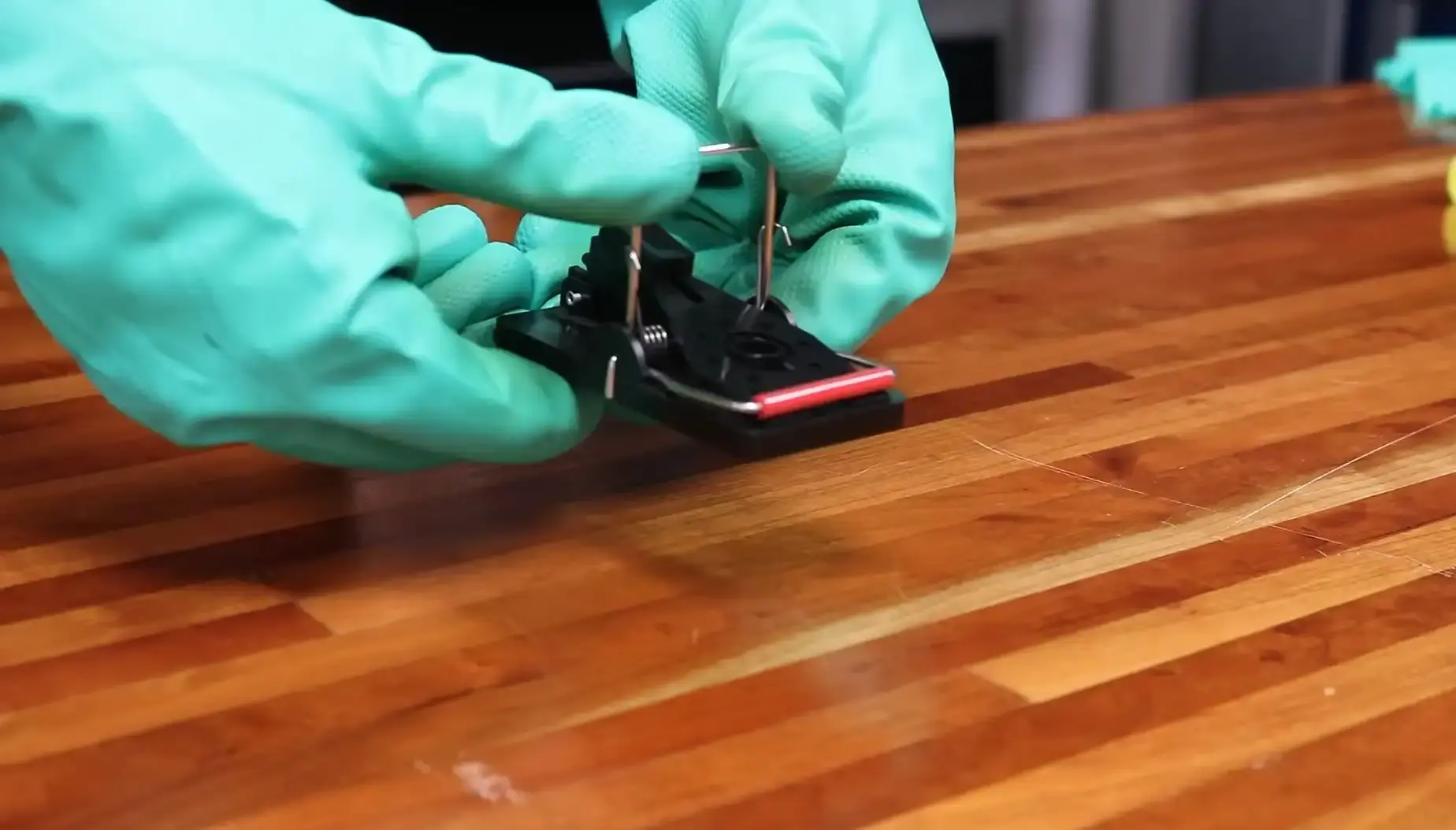
A landlord rodent problem often comes down to one question: who pays? In California, Civil Code 1941.1 says a rental must be free of rodents and vermin when the tenancy starts, and landlords must keep the areas they control that way. Problems caused by a tenant's habits, like open food and trash, may be treated differently. This is general information, not legal advice.
This is a common question on renter forums, where many tenants say mice came back after the landlord only set traps. The fix people ask for is usually the same: seal the building.
Is a landlord responsible for mice in California?
Often yes, if the mice come from building defects, but each case depends on the lease and the facts. Landlords must keep the unit habitable. Tenants must keep it clean and report problems. Check your lease and local law, and get a written inspection report to settle questions. This is general information, not legal advice.
How we work
From First Call to Sealed Building: Our Property Process
We work in a way that gives you answers, not just visits. Each step shows what is included, so you can pick what fits your portfolio.
 01
Walk the property
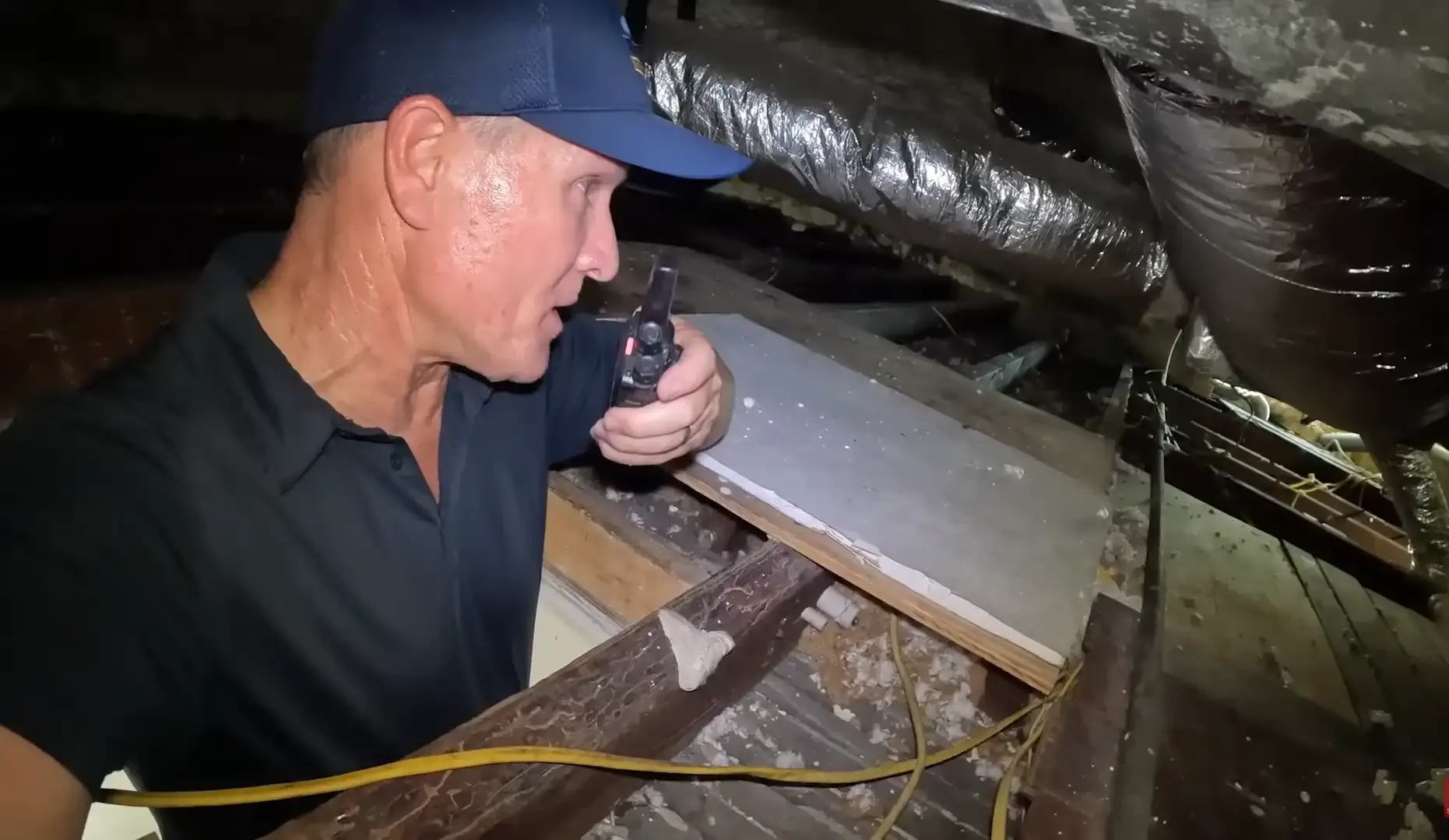
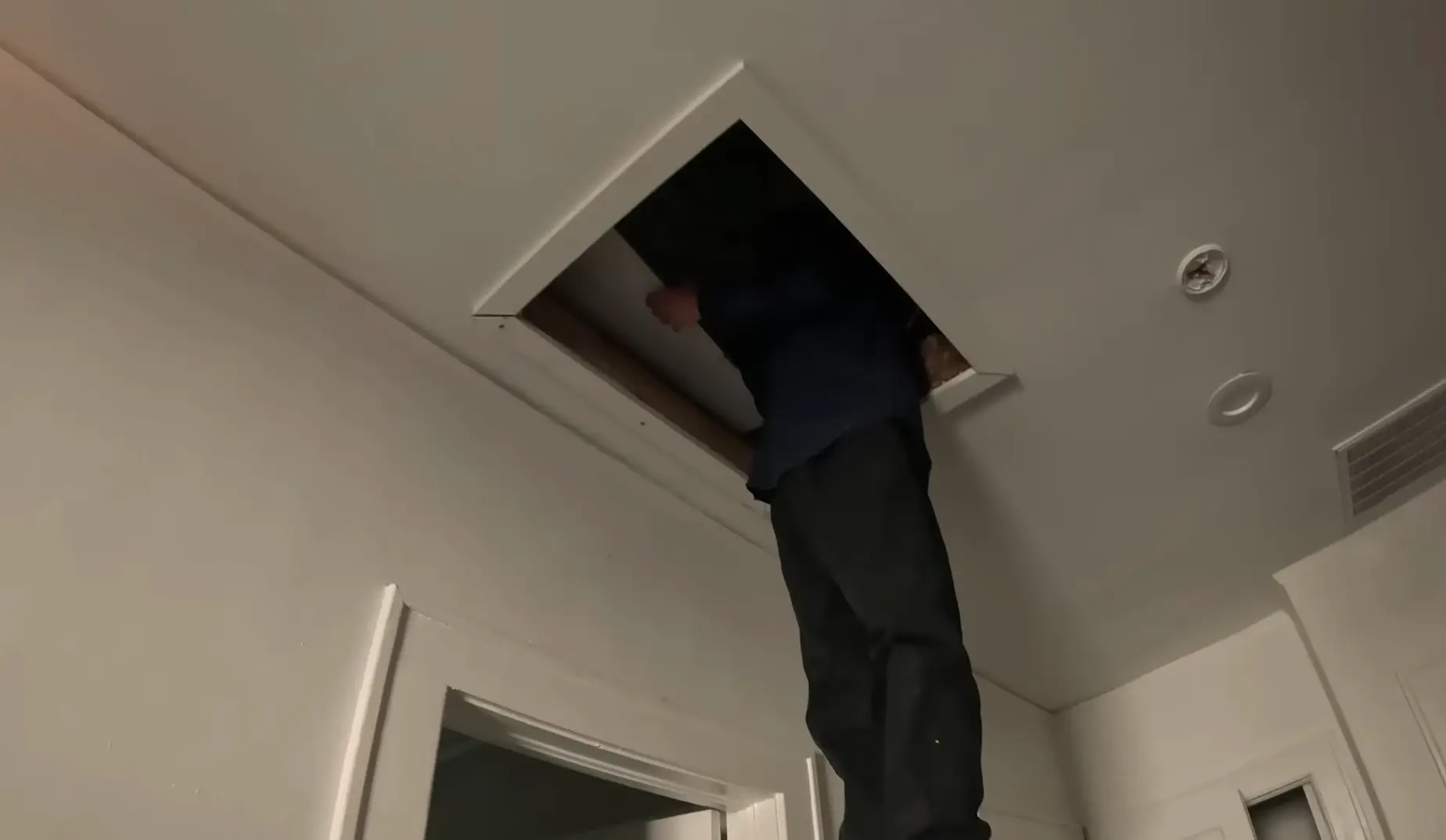
Our technicians check each unit with a complaint, plus shared areas, roofs, crawl spaces, trash rooms and the outside walls. You get photos and a map of what we find.
What is included
- Property inspection with photos and notes per unit
 02
Remove the rodents
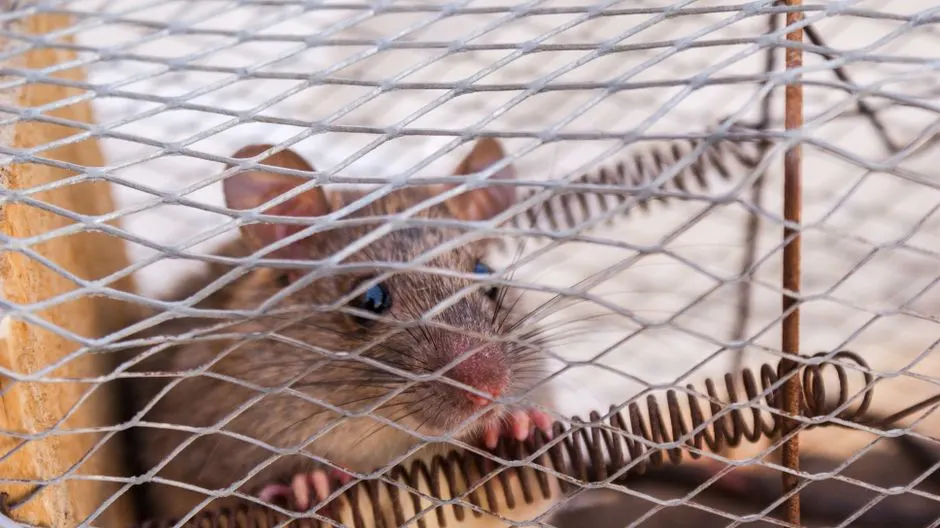
The crew sets traps in the right places. Our technicians avoid loose poison, which can end up in walls or in the hands of children and pets.
What is included
- Unit trapping and removal (volume pricing may apply)
- Emergency response for urgent complaints
 03
Seal the building
Our technicians close gaps in shared walls, vents, roof edges and foundations with metal. This is the step that ends repeat calls.
What is included
- Building-wide sealing, based on size, roof type and the number of entry points
- Trash room and dumpster area plan: lid, door and cleaning advice, plus sealing where needed
 04
Clean up
Our technicians remove droppings and nests where needed, and we treat the area.
What is included
- Cleanup and sanitizing, priced by area and access
 05
Report and monitor
You get a written report for tenants, owners or the board. The crew follows up on a schedule.
What is included
- Monthly or quarterly monitoring with photo and trap-check reports
- Tenant notice templates and reports you can share with residents or a board
Our team members can start with one unit and expand to the whole property if signs spread.
How fast can you respond to a tenant complaint?
Same-day or next-day inspections are often possible, depending on how busy we are. Send us the unit number, the tenant's contact and a short note on what they saw. We can arrange access with the tenant or your maintenance team.
Most properties start with an inspection and one building-wide sealing job, then move to a monitoring plan.
How much does apartment rodent control cost?
It depends on the number of buildings, units and entry points. Larger or older properties take more time. Monitoring, if you choose it, is quoted separately. The inspection gives you a clear plan and a written price.
Is it cheaper to treat each unit separately?
Not usually. Treating unit by unit leads to repeat calls and repeat bills. One building-wide plan often costs less over a year and keeps tenants happier.
What we offer
What Affects the Price for a Property or HOA
Each property is different, so we put a plan in writing before we price it. Four things move the number:
Number of buildings and units
More buildings and units mean more areas to inspect and treat. We map the property so the plan covers the whole site.
Roof type and entry points
Building-wide sealing depends on the size of the roofs and how many gaps we find. Older buildings often have more.
Common areas and trash rooms
Dumpster areas, garages and shared spaces need their own plan. Lids, doors and cleaning habits affect how long the fix lasts.
Monitoring and reports
Ongoing visits with photo and trap-check reports are optional and quoted separately. They give you records to share with residents or a board.
You see the full price in writing before any work starts
One building-wide plan usually costs less over a year than separate calls for each unit.
HOA Rodent Control: Dumpsters, Common Areas and Board Questions
HOA rodent control often starts with a complaint from one owner about the dumpster or a neighbor's yard. Boards then have to decide what the HOA must fix and what each owner must fix.
Common causes in condo and townhome communities:
- Open or overfull dumpsters and trash enclosures
- Fruit trees and gardens in shared yards
- Bird feeders and pet food on patios
- Gaps in shared roofs, eaves and foundation walls
- Landscaping that gives rats cover next to buildings
One common story on forums is a condo owner who finds rats near the dumpster and cannot get the board to act. A written inspection report can help owners and boards agree on facts.

Who pays for rodent control in an HOA?
It depends on your CC&Rs and where the problem is. HOAs usually handle common areas and shared structure. Owners often handle the inside of their unit. Check your documents and talk to your board or manager. A report from us shows what was found and where. This is general information, not legal advice.
Why it happens
Apartment Rodent Control: Why One Unit's Mice Become Everyone's Problem
Apartment rodent control works only when the whole building is treated. Mice and rats move through shared walls, pipes, attics, crawl spaces and trash rooms. Treating one unit pushes rodents to the next one.
Tenant rats often start in the common areas and then show up in kitchens and closets. Tenants may blame each other, but the real cause is usually a gap in the building.
Where rodents travel in multi-unit buildings:
Gaps around pipes
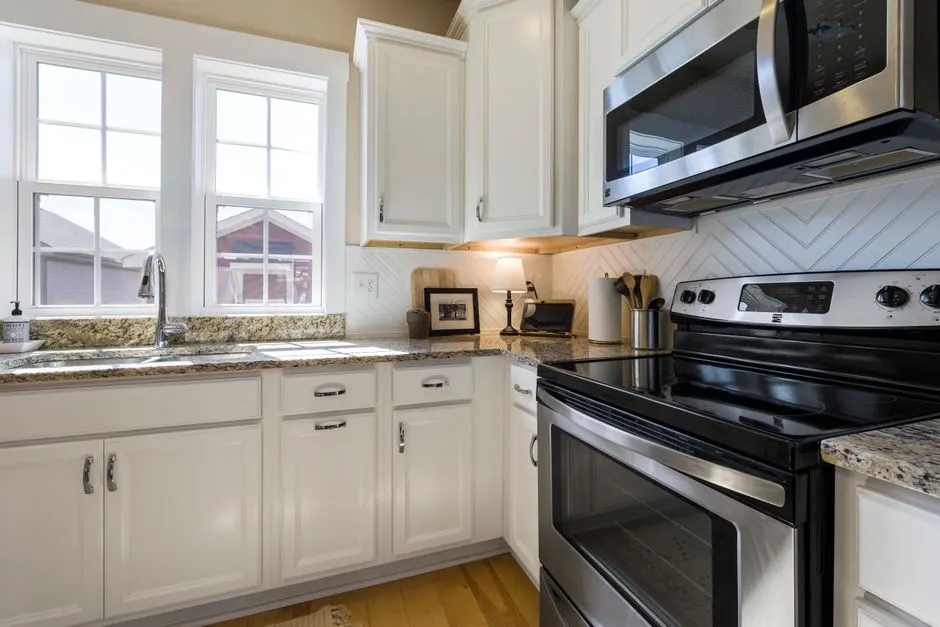
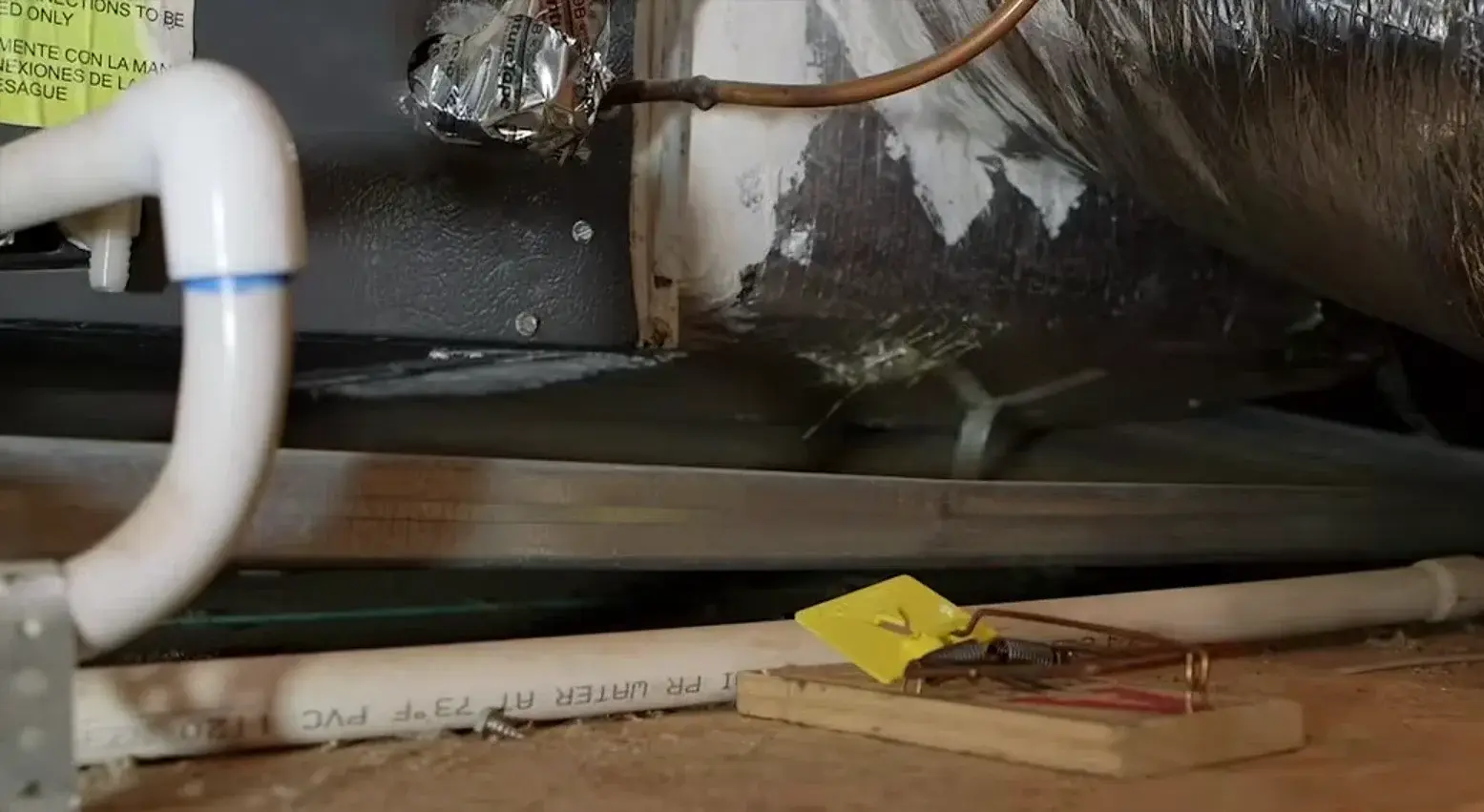
Gaps around pipes under sinks and behind stoves let mice travel from one unit to the next. We seal each gap with metal, not foam.
Shared walls and wall voids
Shared walls and wall voids between units act like highways for rodents. A problem in one unit often means activity next door, so we check the neighbors too.
Attics and crawl spaces
Attics and crawl spaces that run the length of the building let rodents move across many units. We inspect the full length and seal the access points.
Trash rooms, dumpsters and recycling bins
Full or open bins feed rodents and draw them close to the building. We check the trash area, advise on lids and cleaning, and seal gaps around it.
Garages and laundry rooms
Garages and laundry rooms with open doors or loose seals are easy ways in. We check door seals, vents and utility openings.
Landscaping
Ivy, hedges and palms that touch walls give rodents a ramp to the roof and windows. We tell you which plants to trim back.
Older apartment buildings near downtown, the Eastside, the Lower Westside and the Mesa often have more hidden gaps.
Why do mice keep coming back in my apartment building?
Because the building is connected, and the gaps are still open. Treating one unit at a time sends rodents next door and back again. A building-wide plan that traps, seals shared gaps and cleans trash areas stops the cycle. Repeat calls drop when the building is sealed.
Why choose us
Why Property Teams Work With Us
Property teams need clear records and one set of answers for owners, tenants and boards. Here is how we handle it.
Scope
We look at the whole building, including common areas, dumpsters and shared walls, so the plan covers the entire property and not only the unit that called.
Records
Written reports with photos that you can pass to owners, boards and tenants, showing what was found and what was done.
Sealing
Entry points are closed with metal, so the problem does not simply move to the next unit.
Communication
Plain notes you can share on what was found and what happens next, so tenants and owners stay informed.
The quote: A written scope and price before work starts.
Call Us: (805) 429-3801Who we help
Who We Work With on Property Rodent Control
Handling rodents across many units takes a plan and clear records. These are the people we most often work with.
Property managers
Managers with several buildings get one plan and a written report for each property.
Landlords
Owners of small rentals and duplexes get a clear fix and a report they can keep for tenants and their records.
HOA boards and management companies
Boards get a plan for the common areas and shared walls, with plain reports they can share with owners.
Apartment and condo owners
Multi-unit buildings need the whole structure checked, not only one unit. We map the entry points across the building.
Shopping centers and mixed-use buildings
Mixed-use buildings combine food businesses and residents, which draws rodents. We plan around tenants and report by unit.
Senior living and student housing near UCSB and SBCC
Housing with many residents and shared kitchens needs quiet, scheduled visits and clear communication. We plan around your residents.
Where we work
Properties We Serve Across Santa Barbara
Our team works across Santa Barbara and the nearby South Coast towns. If your street is not listed, call and we will tell you whether we can come out.
- We serve the City of Santa Barbara and nearby areas, including downtown, the Eastside, the Lower Westside, the Mesa, the Riviera, Montecito, Goleta, Isla Vista and Carpinteria.
- Our technicians also work near UCSB, Santa Barbara City College, Cottage Hospital and along State Street, Milpas, Highway 101 and Cabrillo Blvd.
Our technicians serve apartment buildings, HOAs and rental portfolios in Isla Vista, Downtown, the Westside, the Eastside and Oak Park, with condo associations along the Waterfront.

What should a tenant do if they see rats or mice?
Tell the landlord or property manager in writing, with photos. Note the date, where it happened and what was seen. Keep food sealed and trash closed while waiting for a fix. Written notice helps protect everyone. This is general information, not legal advice.
Can a tenant call you directly?
We prefer to work through the property manager or owner. That keeps scope, access and billing clear. If you want tenants to call for first reports, we can set that up.
How long until a building is rodent-free?
Most buildings clear within three to six weeks. Trapping begins right away, and sealing follows. Large or older buildings can take longer. We keep checking until activity stops.
Do you give reports for owners, boards or insurers?
Yes, with photos, dates and a list of what was done. The report shows the work and any items that the owner or board needs to fix. This helps boards decide with facts instead of guesses.
Why does trapping alone not fix an apartment building?
New rodents keep coming through open gaps. Traps remove those inside now. Sealing shared walls, pipes and roofs keeps more from coming in. Trash control closes off the food supply.
Can you work with our maintenance staff?
Yes. We can tell your team what to check, share simple trash and cleaning steps, and coordinate access. Our team members handle the sealing and trapping that need a pro.
Santa Barbara rodent control
What Rodents Mean for Tenants and for Your Liability
A rodent problem is a health and safety issue, not just an annoyance. Ignoring it can cost you tenants and trust.
Health
Droppings and urine can trigger asthma and allergies. Kids and older residents are most at risk, so cleanup with protective gear matters.
Fire
Chewed wires in shared walls and attics are a hazard for the whole building. We flag damaged wiring so an electrician can repair it.
Mites
Rat mites can bite residents and spread from unit to unit, which is why itchy complaints can show up in several apartments.
Tenant turnover
Rodent complaints can lead to move-outs and bad reviews, so a fast, documented fix protects your occupancy.
Costs add up
Repeated emergency calls cost more than one solid fix. Sealing the building is what stops the repeat calls.
Paper trail
Complaints, replies and reports can matter if a dispute arises, so we give you dated written reports with photos.
A fast response and clear records protect your tenants and you. Talk to your attorney about any legal question.
What if a tenant says the rats are from the neighbor's unit?
It may be true, and a building inspection is the way to find out. Rodents move through shared walls and pipes. We check the whole building so the fix goes to the source instead of blaming a single unit.
More ways we help
Our Other Rodent-Control Services
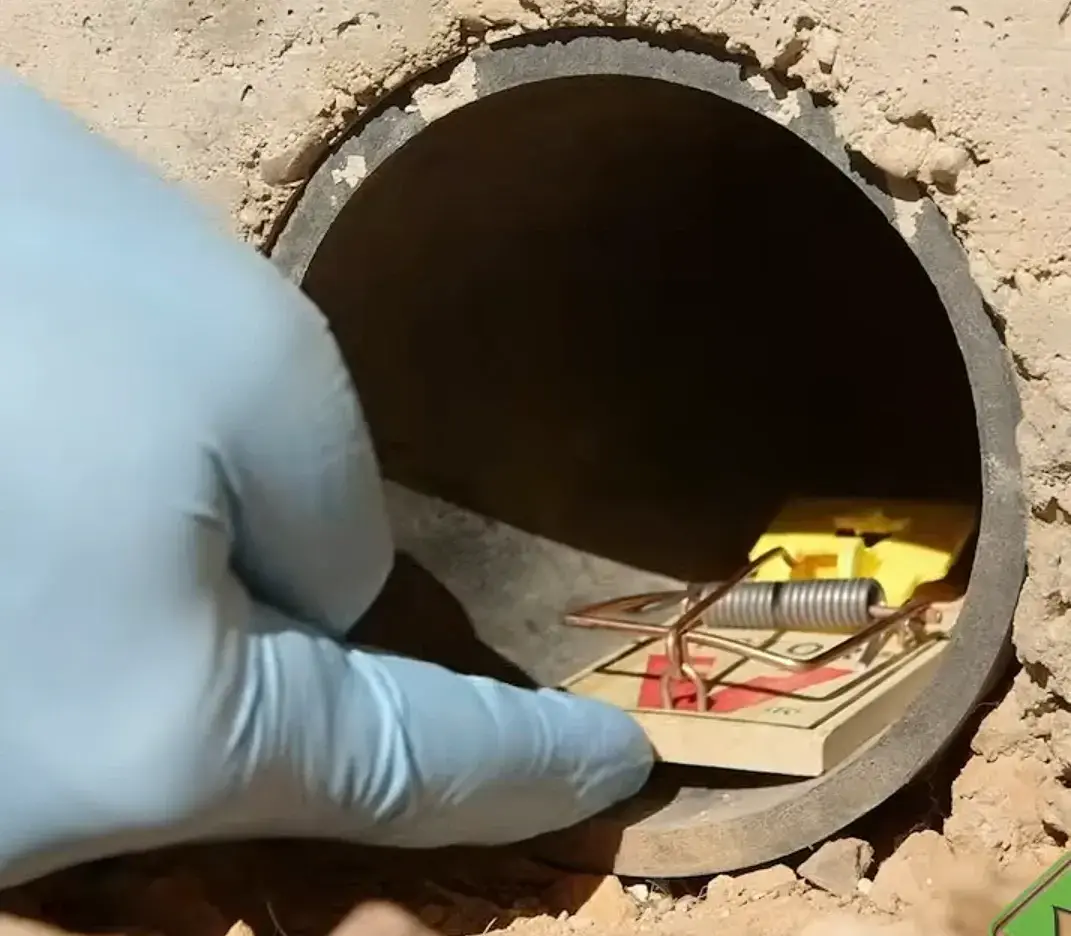
Rat Removal
Trapping, sealing and cleanup for rats in the attic, walls and yard.
View this service →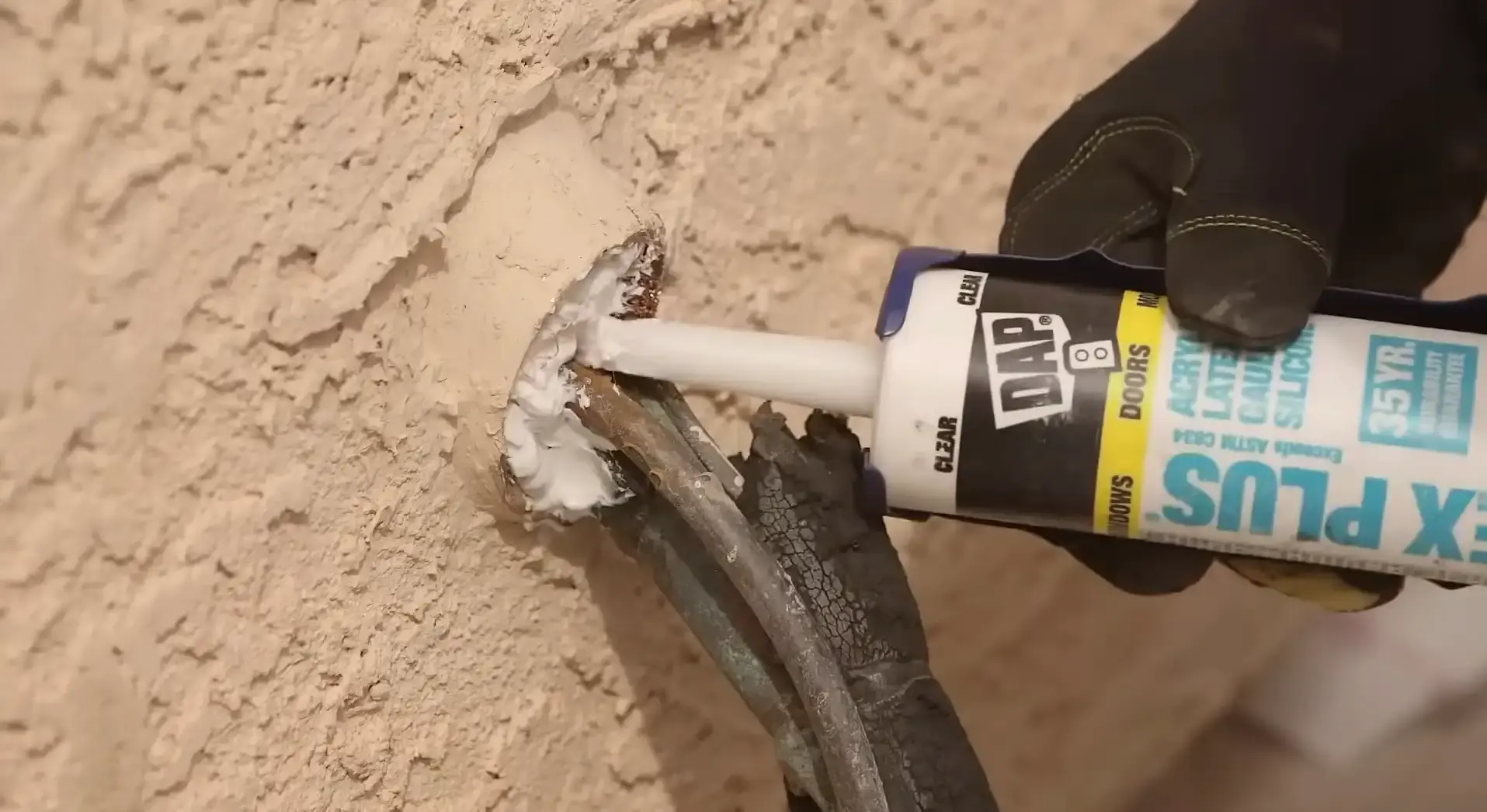
Rodent Exclusion & Proofing
Sealing the gaps rodents use with metal so they stay out.
View this service →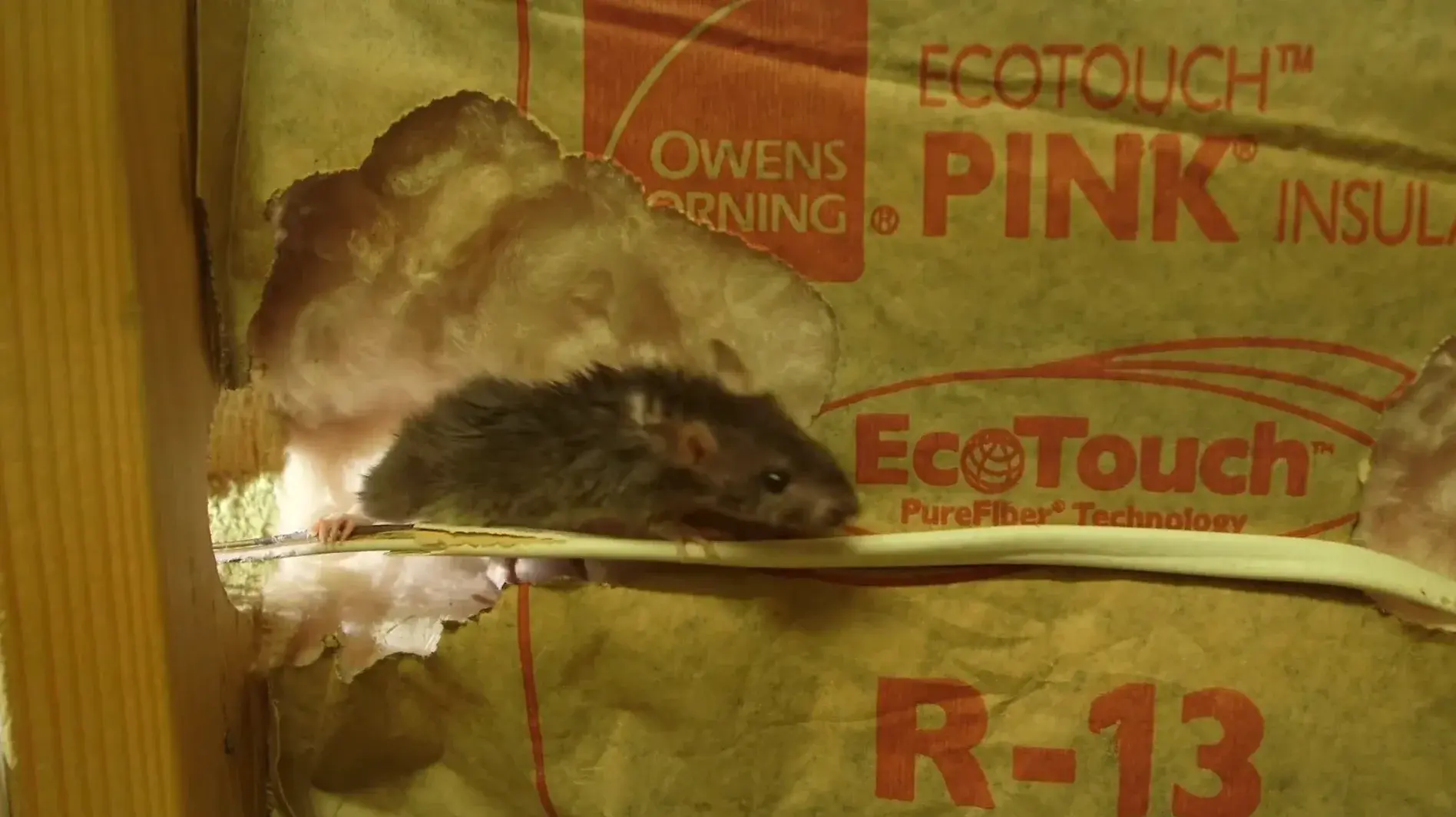
Attic Rodent Removal
Rats and mice out of the attic, with cleanup.
View this service →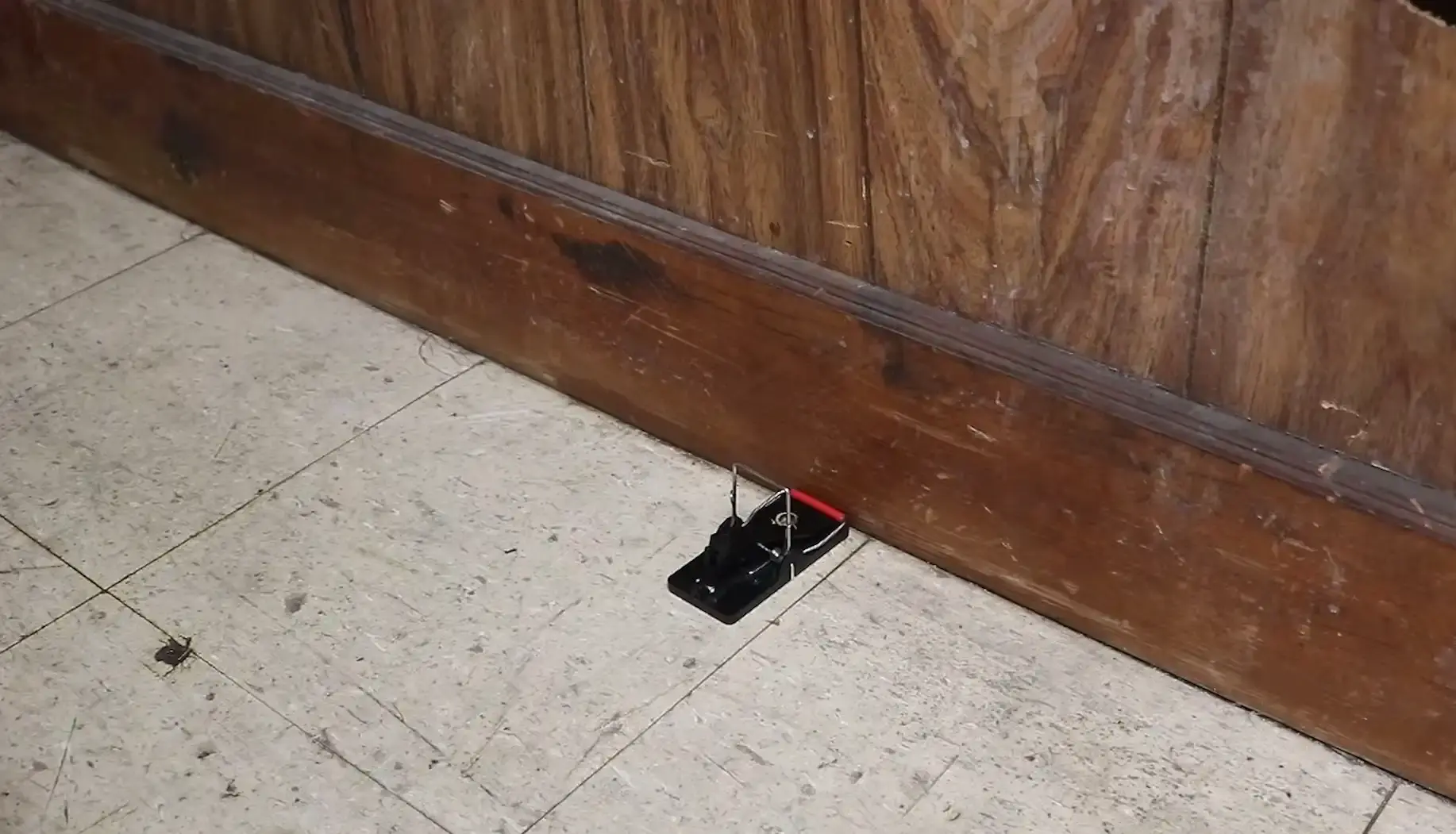
Vacant & Second Homes
Checks and sealing for empty and second homes.
View this service →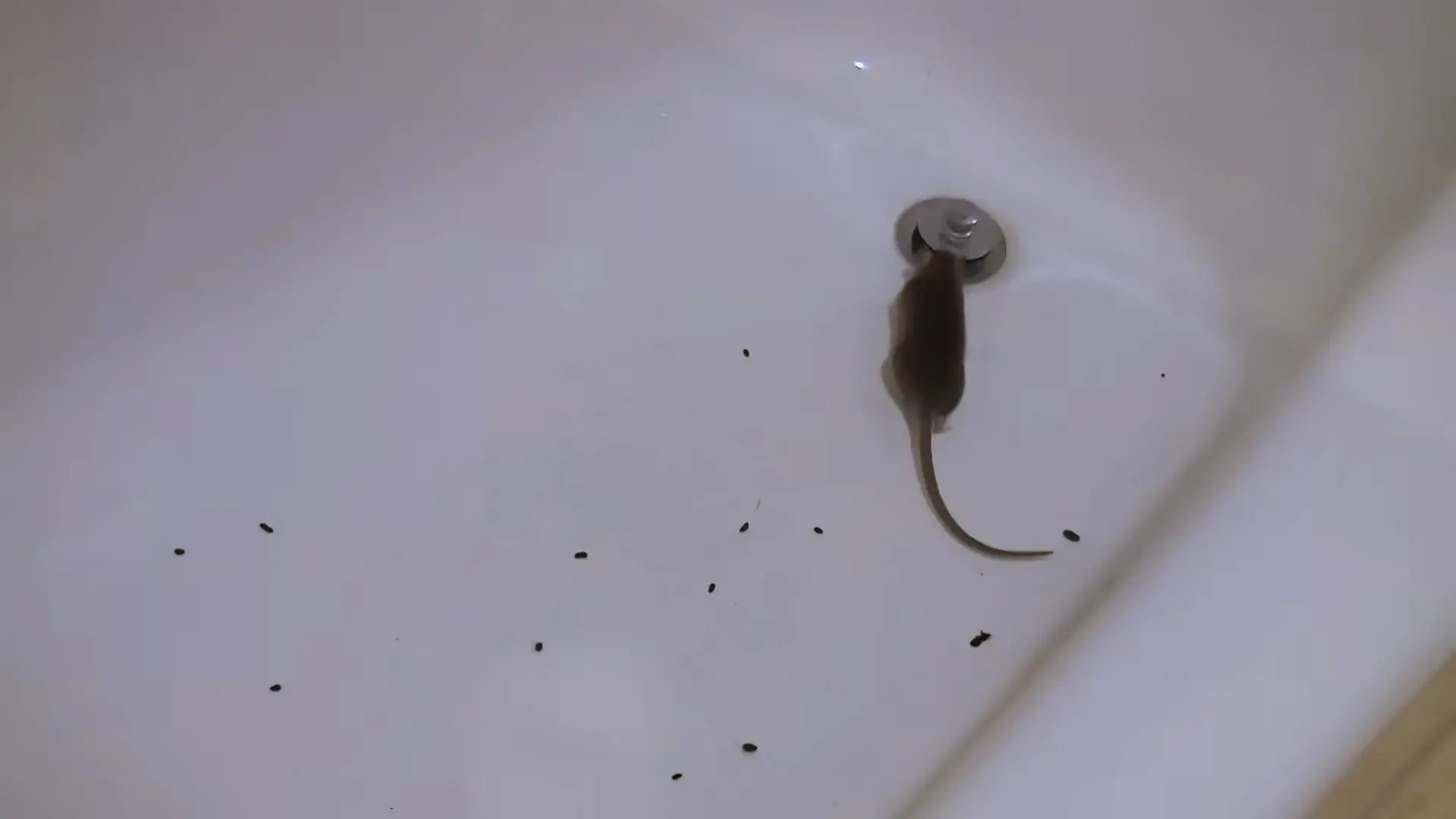
Mice Control
Trapping and sealing for house mice and deer mice.
View this service →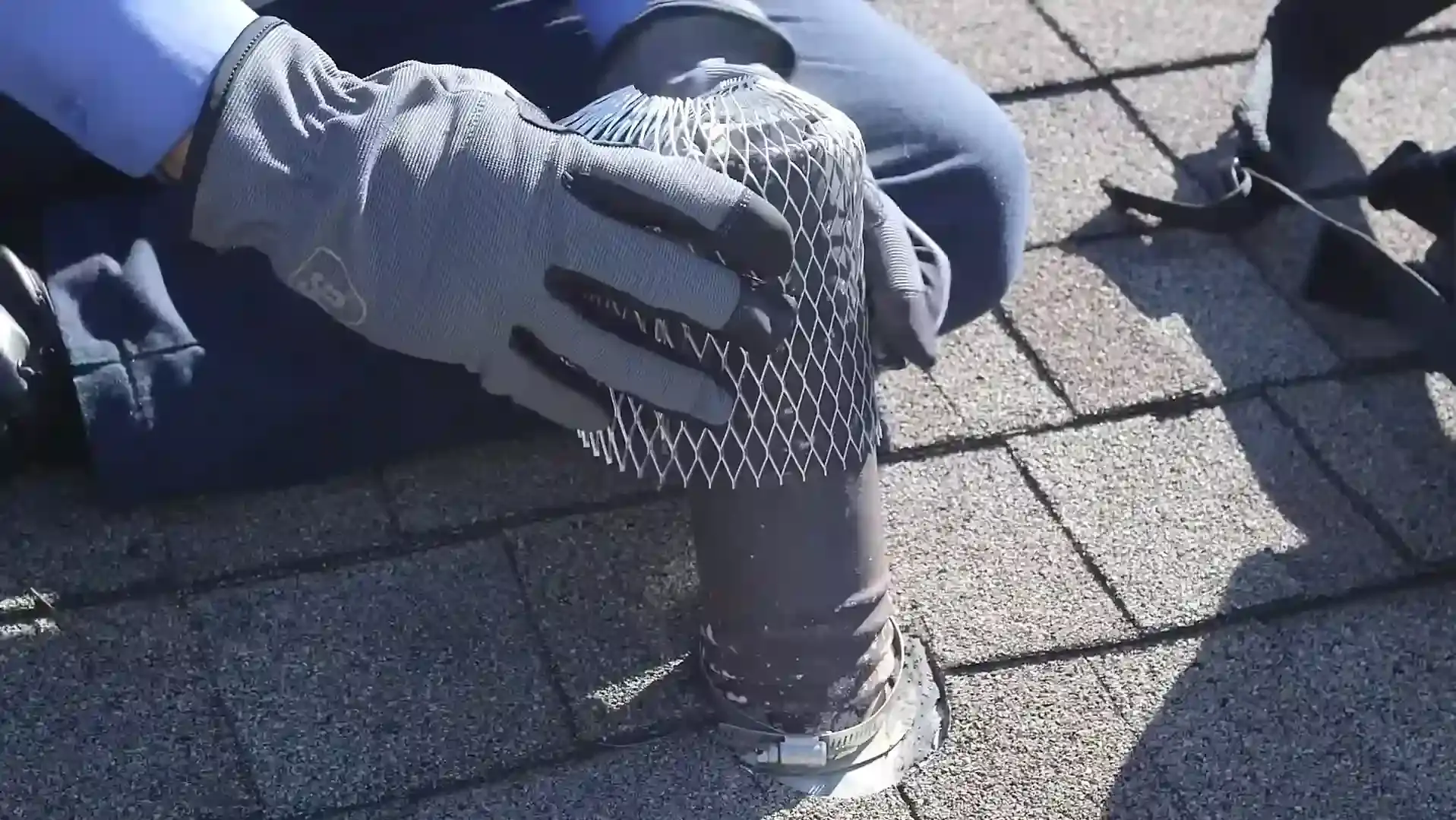
Squirrel Removal
Humane, legal squirrel removal and roof sealing.
View this service →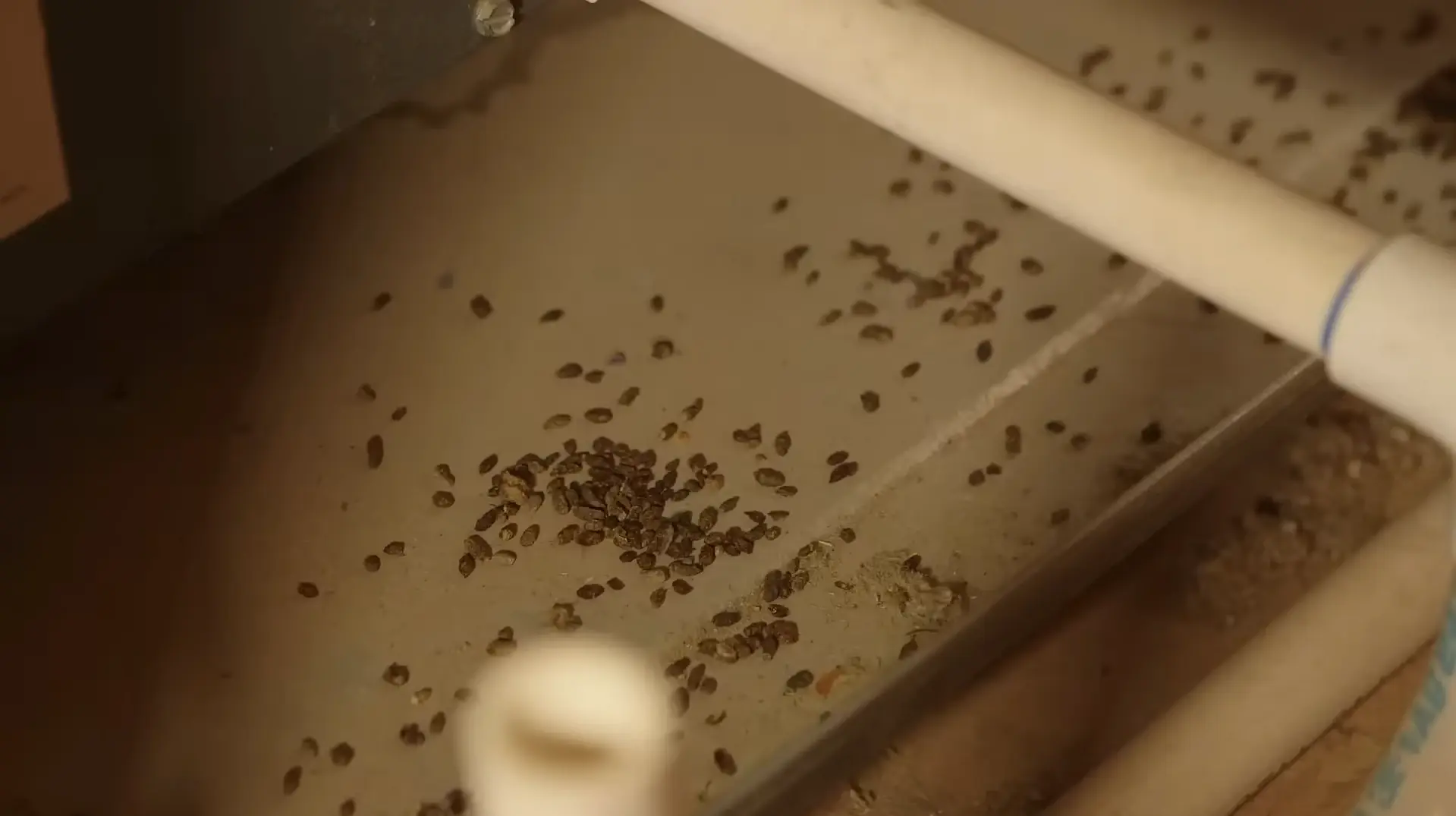
Cleanup & Insulation
Safe droppings cleanup and insulation replacement.
View this service →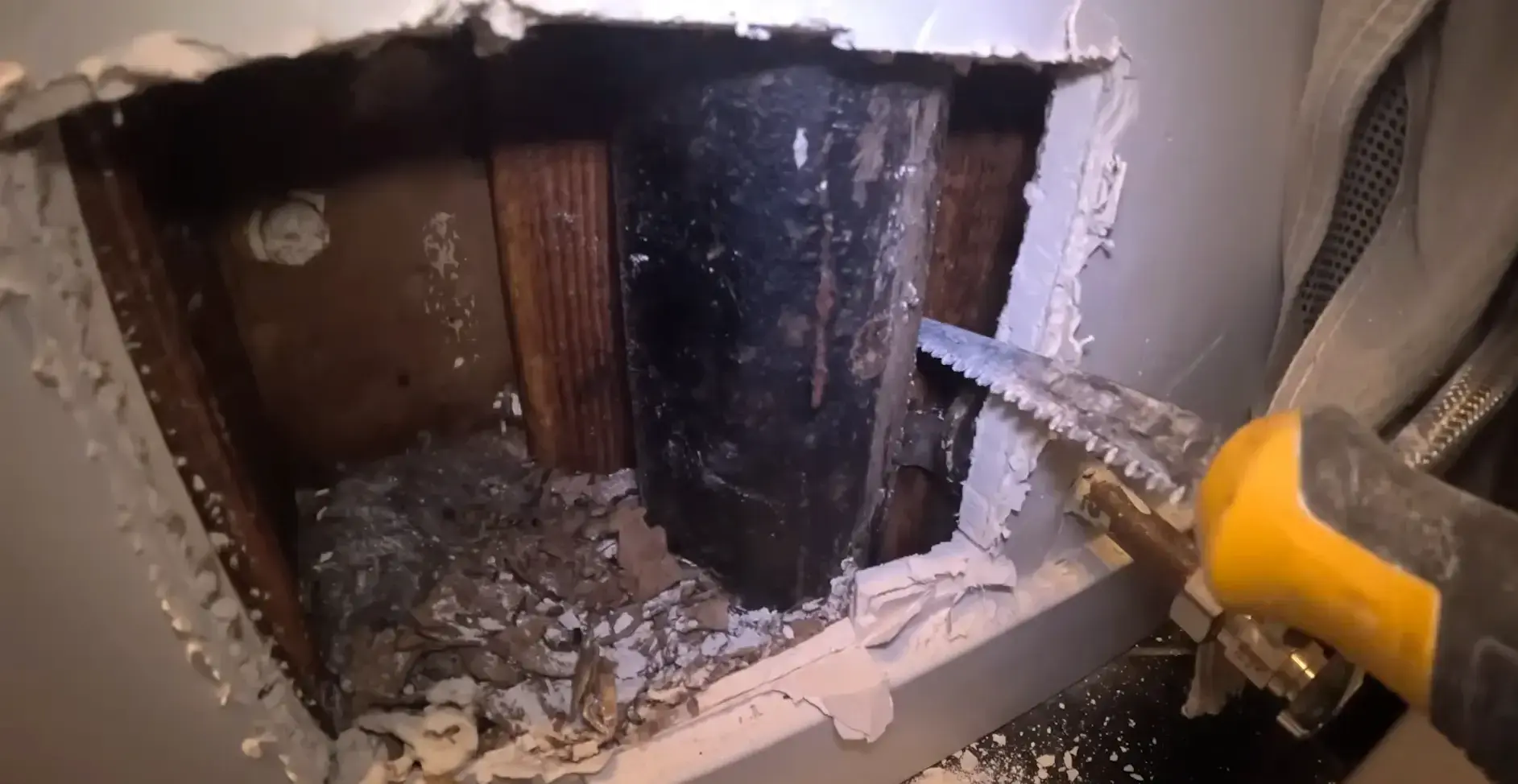
Dead Rat Smell Removal
We find and remove the source of a rotten smell.
View this service →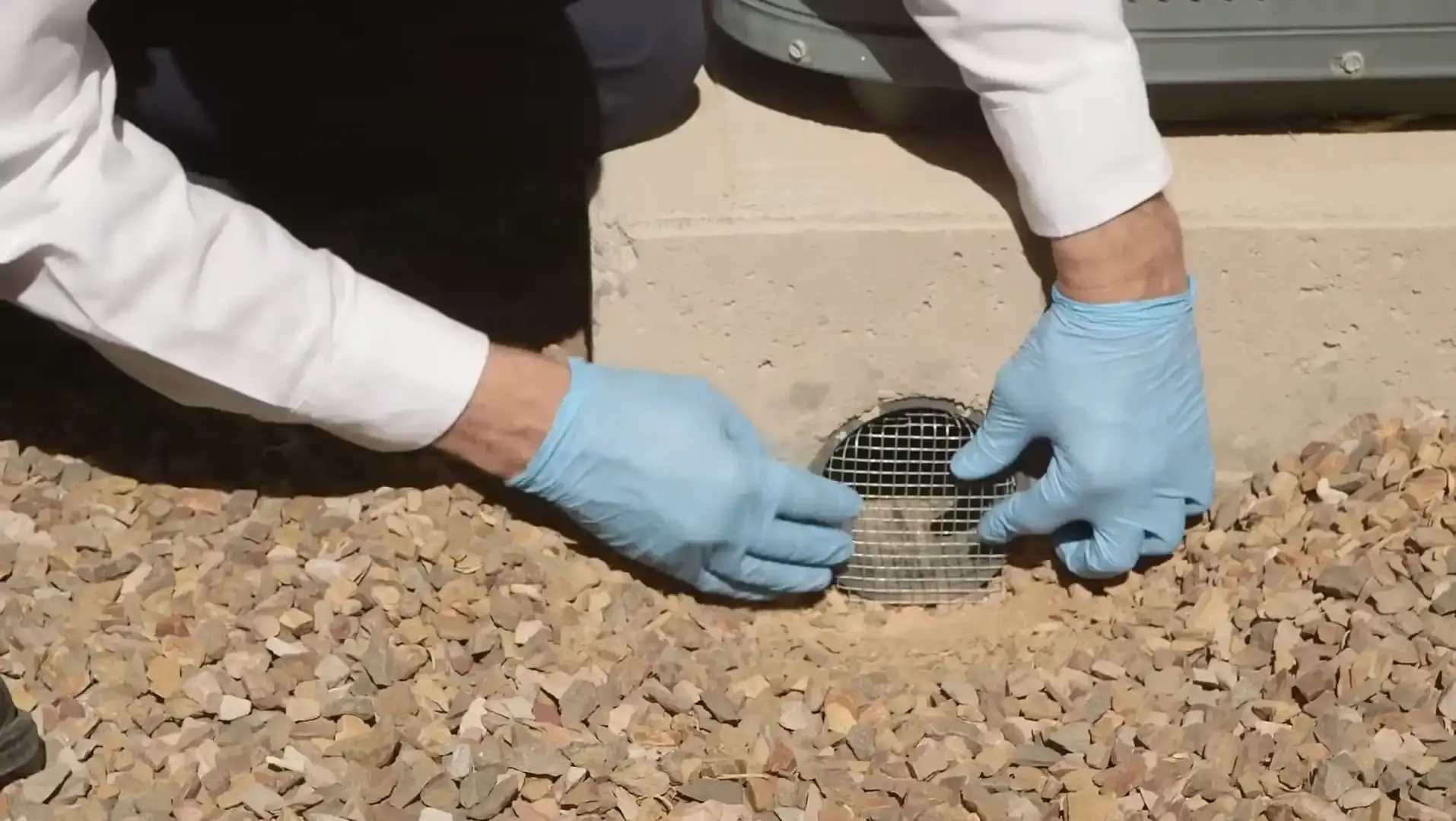
Crawl Space Control
Rodents out from under the floor, with vents and gaps sealed.
View this service →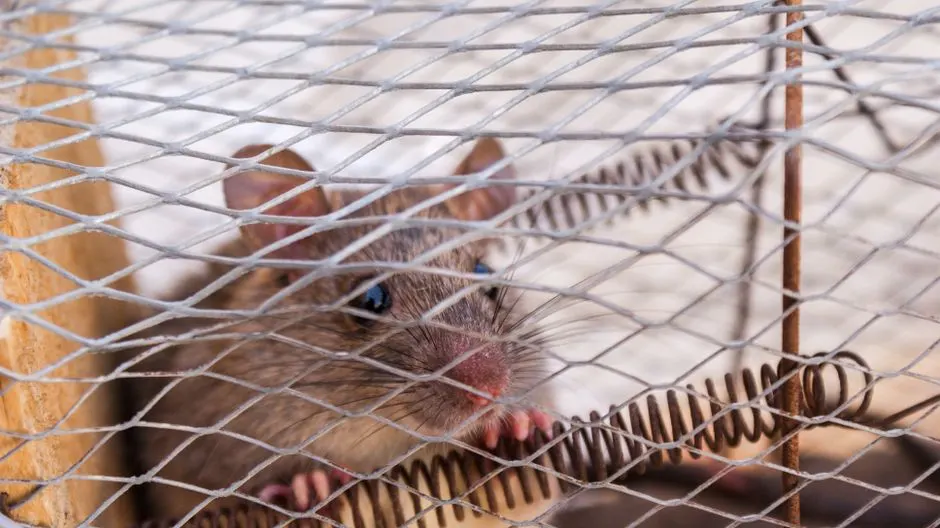
Commercial Control
Discreet control for restaurants, shops, hotels and offices.
View this service →
Airbnb & Vacation Rentals
Fast response and reports for vacation rental hosts.
View this service →Complaints coming in?
Send one report per unit or area
A simple report from each complaint lets us plan the whole building instead of chasing one unit at a time.
- 1Where it was reported
Unit number, hallway, roof or common area.
- 2What the tenant described
Noise, droppings or a smell, and when it started.
- 3Shared walls and attics
Anything you know about the layout between units.
- 4Trash rooms and dumpsters
Lids, cleaning schedule and distance to the building.
- 5Past work
Earlier treatments, repairs or reports.
Ready when you are
Ready to Set Up Rodent Control for Your Property?
If you manage a building, a landlord rodent problem will not fix itself, and tenant rats spread fast between units. Property manager rodent control in Santa Barbara works best when you act early and keep clear records. Call us for an inspection. Same-day or next-day visits are often possible, and we will give you a plan you can share with owners, tenants or your board.
- Call us(805) 429-3801
- Email[email protected]
- Office716 N Milpas St, Santa Barbara, CA 93103
- HoursMonday to Saturday, 8:00 AM to 6:00 PM