

Rodent Shield Santa Barbara
Rodent Exclusion Santa Barbara, CA — Seal Them Out
Serving Santa Barbara • Montecito • Goleta • Carpinteria. Traps remove what is inside; exclusion keeps new rodents out. We inspect roofline to crawl space and seal each gap with metal. Same-day or next-day visits are often available.
Why it happens
Why Rodents Keep Coming Back Without Rodent Proofing
The most common complaint we read online is simple: "They set traps, and the rodents came back." That usually means nobody sealed the holes. Without rodent proofing in Santa Barbara homes, new rats and mice find the old gaps and walk right in.
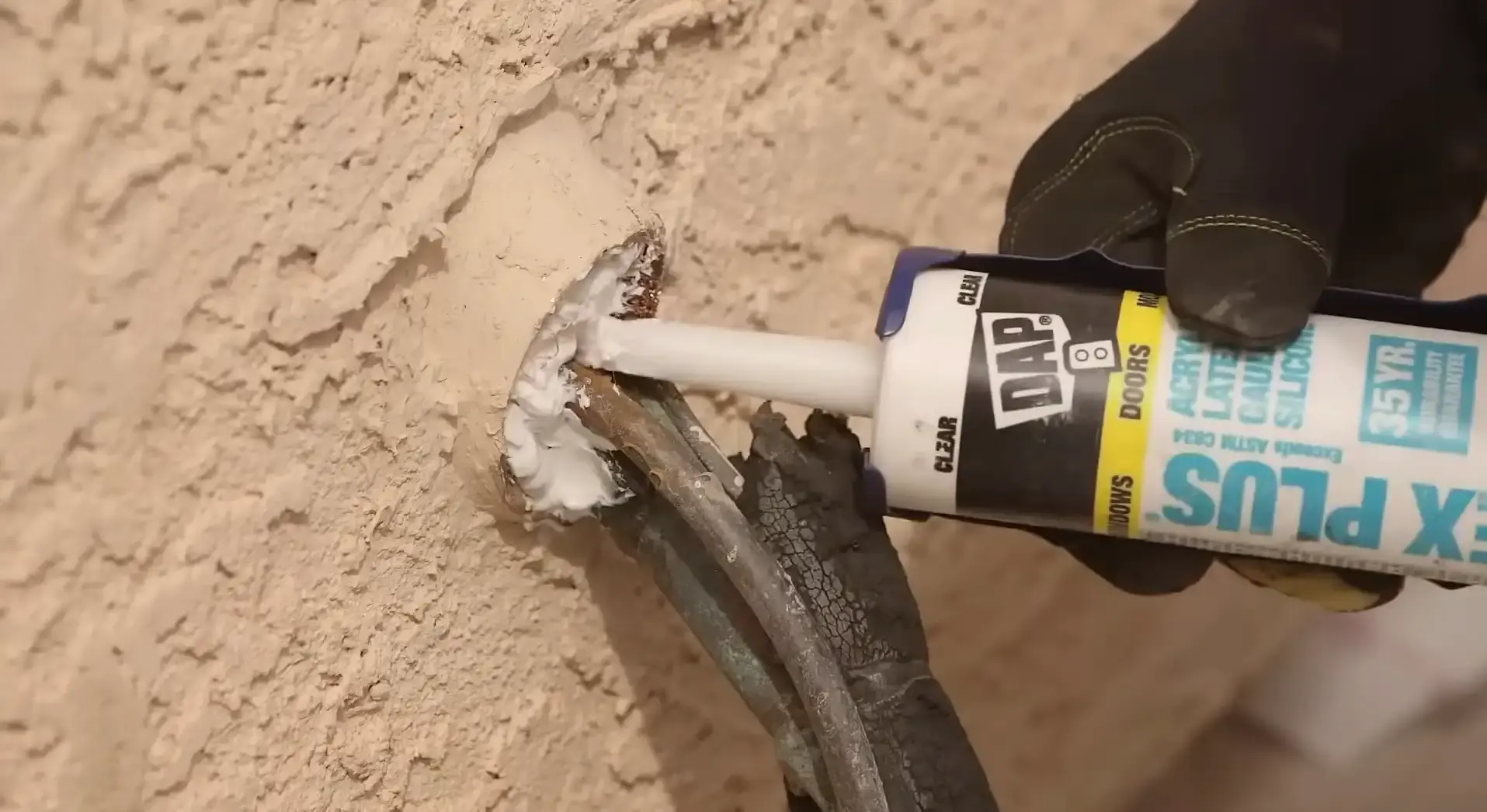
Pest pros also say rodents leave scent trails at entry points, so new ones follow the same path. A hole that stays open keeps working.
I thought I sealed every hole. Why are they still getting in?
You probably missed a gap or used a material they can chew. One condo owner on Quora said they spent money on exterminators and handymen and still had mice. Common misses are gaps at the roofline, around pipes, and under garage doors. Foam, caulk, and thin screens also fail. A full inspection finds what a quick look misses.
How we work
How We Seal Entry Points Rats and Mice Use: 4 Steps
We work in a set order so nothing gets locked in and nothing gets missed. Most Santa Barbara jobs take one to two days. Each step below shows what is included, so you can pick the level of work that fits your home.
 01
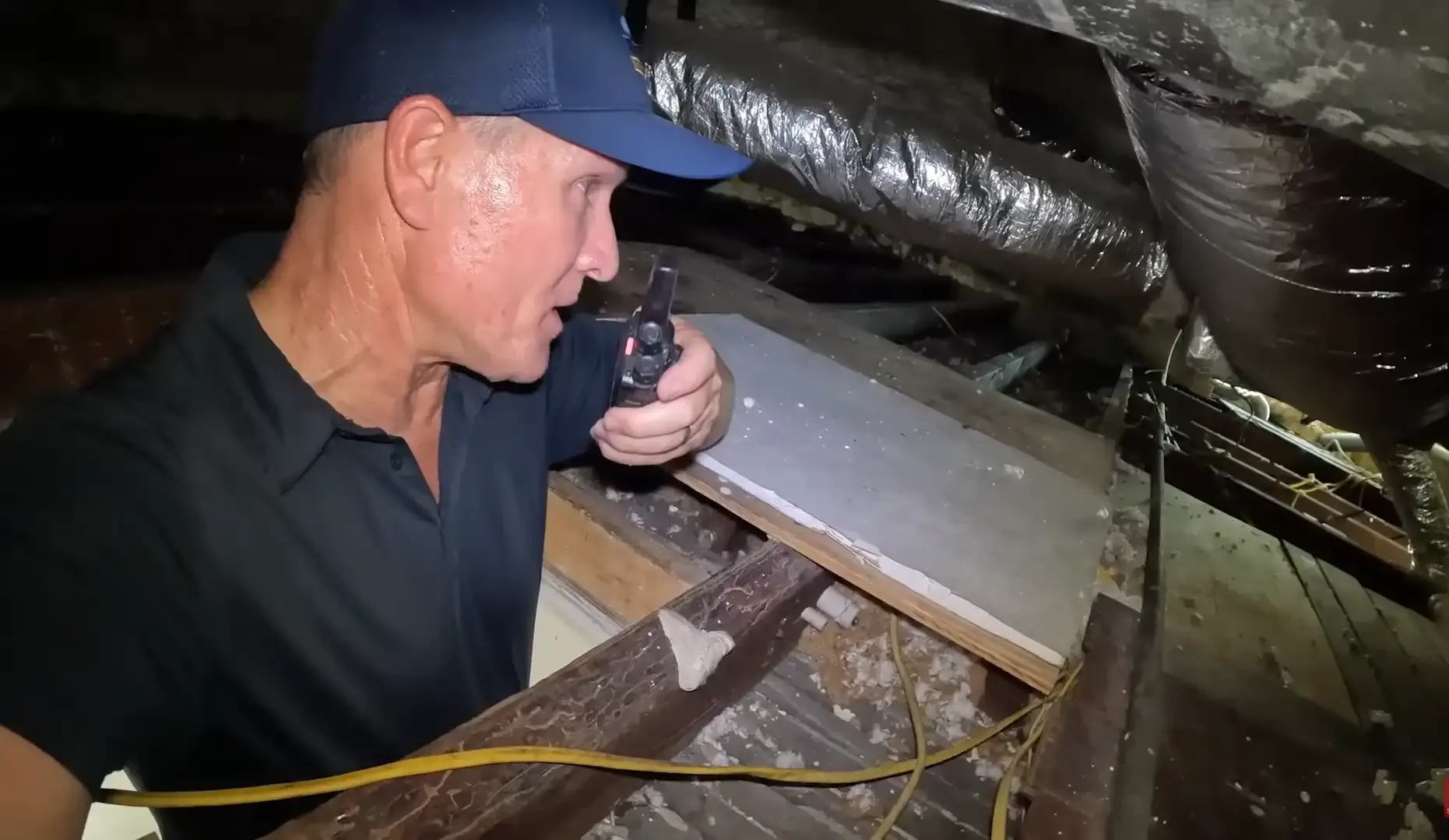
Inspect the whole house
Our technicians check the roofline, eaves, vents, attic, garage, crawl space and foundation. Our team members look for droppings, grease marks and chewed edges to find the holes in use.
What is included
- A free consultation call to plan the work
- Inspection of the whole house
 02
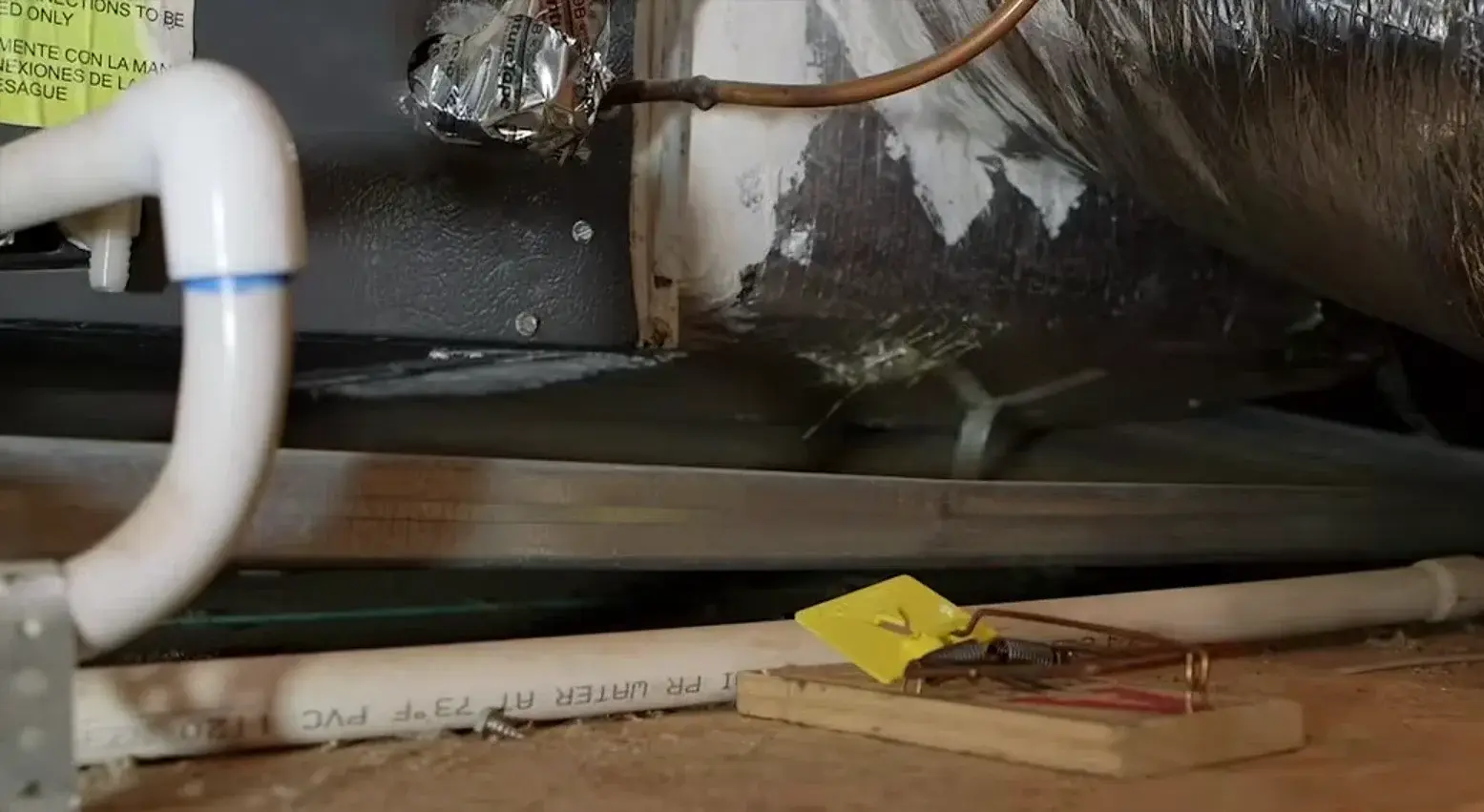
Clear out the rodents first
If rats or mice are already inside, we trap them before we seal. Sealing first can lock them in, and that leads to scratching in the walls and dead rodents that smell.
What is included
- Trapping before sealing: if rodents are inside, removal comes first
 03
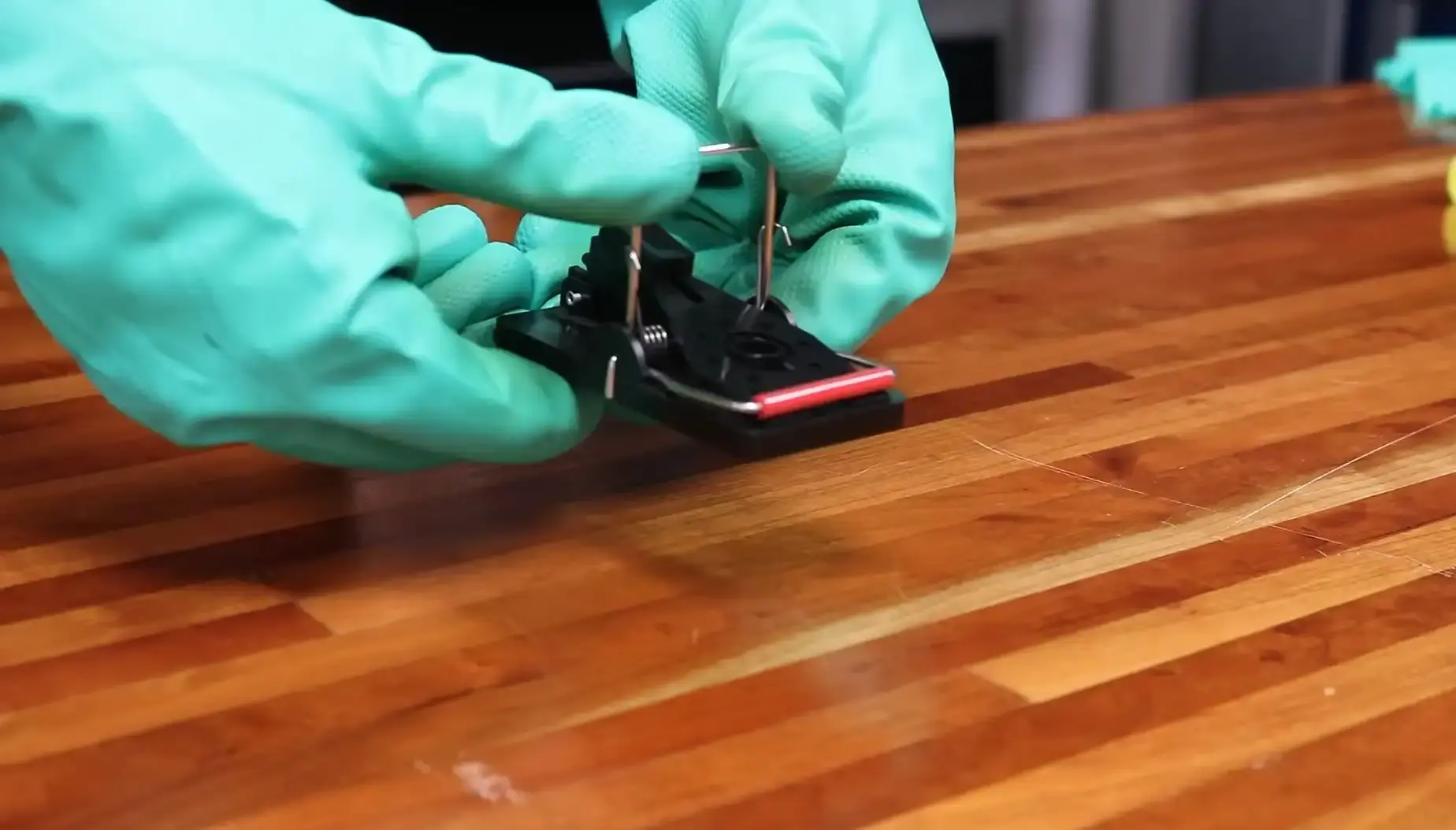
Seal every gap with metal
Our technicians cut and fasten mesh, flashing and vent covers, and fill foundation cracks with mortar. Small gaps get the same care as big ones.
What is included
- Targeted sealing for a few known entry points, or full-house exclusion for the roofline, eaves, vents, foundation, garage and crawl space
- Custom vent, chimney and exhaust covers that let air out and keep rodents out
- Crawl space and foundation sealing, and garage and door sealing
 04
Check and report
Our technicians walk the job again, take photos of what we sealed and send you a short written list. You get proof of what was done.
What is included
- Photo report with a list of every sealed spot
- Follow-up check visit
Does sealing trap rodents inside the house?
Not when it is done in the right order. Trapping comes before sealing, and we check for activity before the last holes are closed. In some cases we use a one-way door so rodents can leave but cannot return. Wildlife rules for squirrels are different, so those jobs follow their own steps.
How long does rodent exclusion take?
Most homes take one to two days. A small job with a few entry points can finish in one visit. A large house, a steep hillside roof or a full crawl space can take longer. We give you a time estimate after the inspection.
How much does it cost to rodent-proof a house?
It depends on the size of the house, the roof and how many entry points there are. A small, simple job costs less. A big tile roof with many gaps takes more time and metal. The inspection gives you a written scope and price, so you are not guessing.
Is rodent exclusion worth it, or should I just trap?
It is worth it if you want the problem to stay gone. Trapping alone often leads to repeat visits and repeat bills. Sealing costs more once, but it ends the cycle. Many homeowners do both: trap now, seal to keep them out.
What we offer
What Affects the Price of Rodent Exclusion
Exclusion is priced to the house, not to a flat rate. These four things decide the scope:
House size and roof type
A larger home or a tile roof has more edges, vents and eaves to seal. More surface to cover means more time and more metal.
How many entry points
Each gap needs the right material and a careful fit, so a house with many openings costs more than one with a few. We photograph each spot so you can see what we found.
Lot and access
Hillside lots, tall eaves and tight crawl spaces slow the work. Our team accounts for that time in the quote so there are no surprises on the day.
The level of work you choose
Sealing a few known gaps costs less than sealing the whole house. Our team members explain both options and what each one leaves open, and you decide.
You see the full price in writing before any work starts
Be careful with a very low price that uses foam or mesh that rodents can chew through.
Sealing
Rodent-Proof Home Materials: What Fails and What Lasts
A rodent-proof home is built with metal and concrete, not foam. If you want to know how to keep rats out, start here: rats and mice chew soft things for fun. When we seal entry points rats use, we pick materials they cannot bite through.
| Material | Holds up? | What happens |
|---|---|---|
| Spray foam alone | No | Rodents chew it out, often within days |
| Caulk or putty alone | No | Soft and easy to gnaw |
| Steel wool alone | Not for long | Rusts and crumbles; use only packed behind metal |
| Plastic or thin window screen | No | Torn open in minutes |
| 1/4 inch galvanized hardware cloth | Yes | Strong; cut to fit vents and gaps |
| Stainless steel or copper mesh | Yes | Does not rust; a good pick near the coast |
| Sheet metal flashing | Yes | Covers roofline gaps and larger holes |
| Concrete or mortar | Yes | Fills foundation cracks and gaps |
Salt air is hard on metal. Near the water, from Cabrillo Blvd to the Mesa and Hope Ranch, plain steel rusts faster. That is why we lean on galvanized, stainless or copper.
Does spray foam keep rats out?
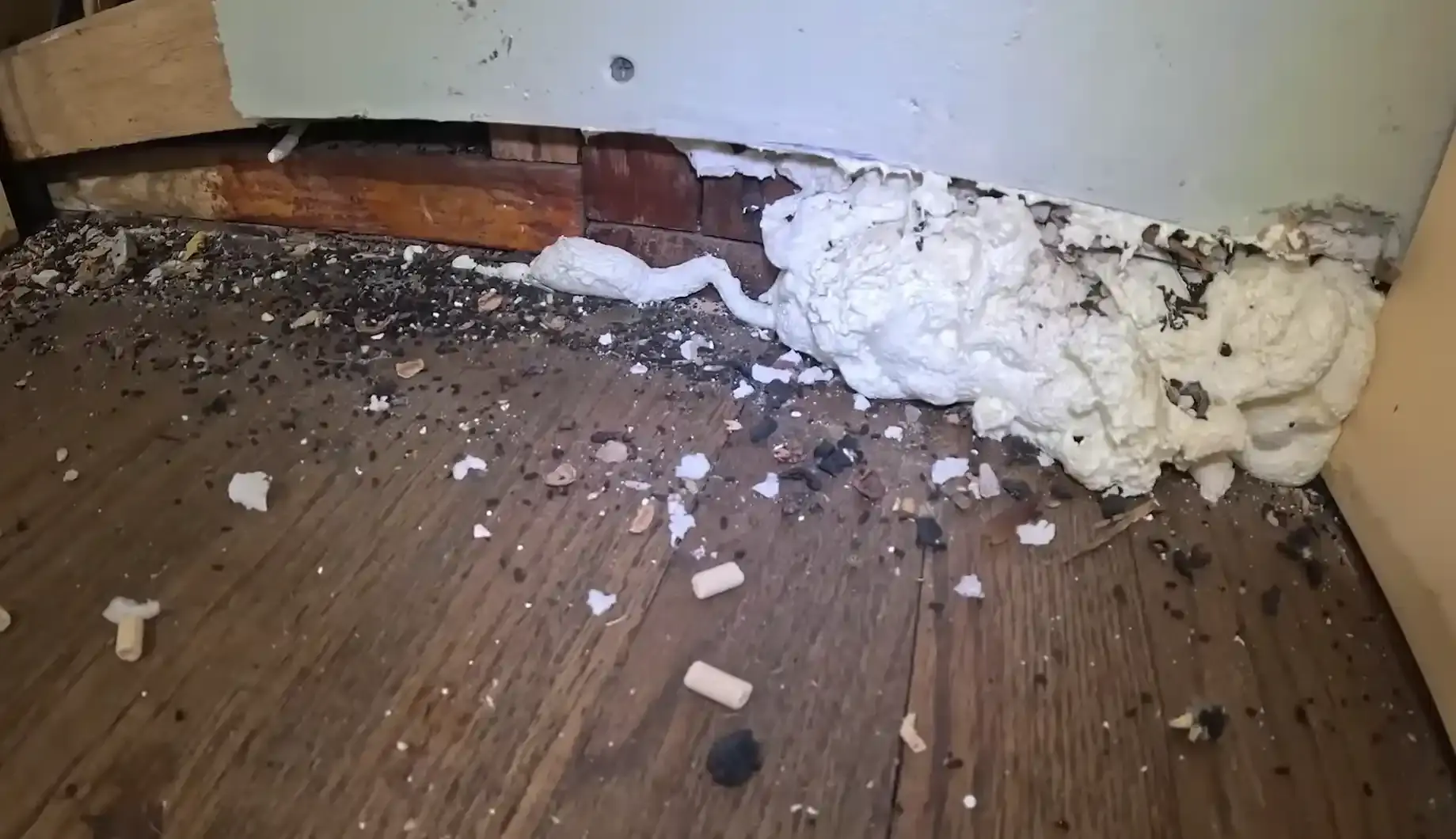
No, rats chew through foam fast. Foam is fine as a filler behind metal mesh, but it should never be the only barrier. Many do-it-yourself fixes fail for this reason. If you see foam with bite marks around a pipe, that hole is open again.
Why choose us
What Sets Our Rodent Exclusion Apart
Exclusion is the part of the job that decides whether rodents come back. Here is where it usually goes wrong, and what we do instead.
Materials
Steel mesh, sheet metal and flashing, which rodents cannot chew through. Foam, caulk and steel wool alone do not last, so we use metal for every gap.
Coverage
A full walk of the roofline, vents, utility lines and foundation, with every gap logged, so no entry point is missed.
Proof
Photos of each entry point before and after, so you can see the problem and the fix.
Order of work
We trap first, so nothing is locked in the walls, and then we seal.
The quote: A written scope and price before work starts.
Call for Rodent ProofingWho we help
Who We Help With Rodent Proofing
Rodent proofing helps most when the problem keeps coming back, or when you want to stop it before it starts. These are the homeowners we most often work with.
Homeowners
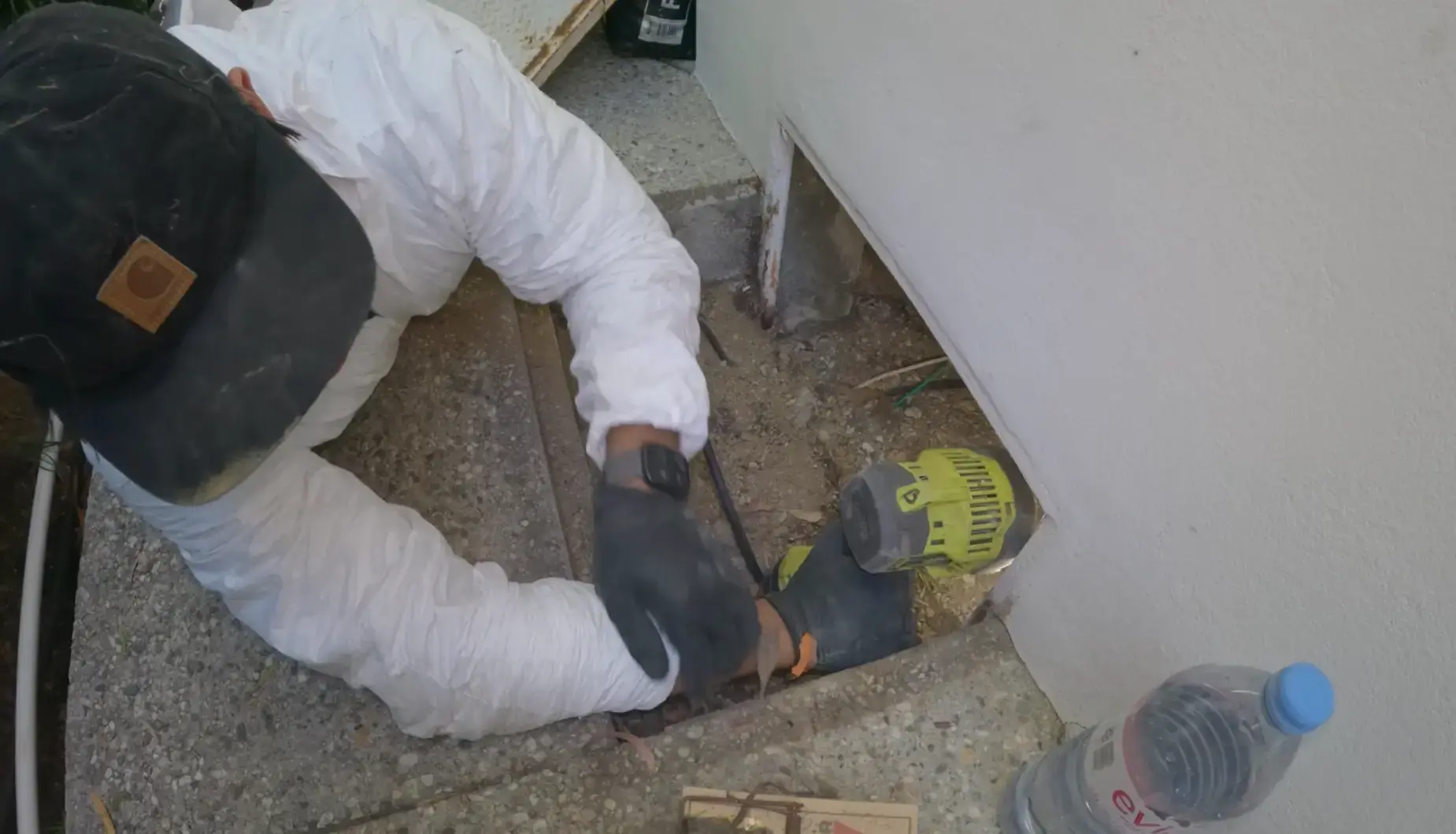
If you have scratching, droppings or a past rodent problem, sealing helps stop the next one from coming in.
Landlords and property managers
Repeat calls stop when the entry points are sealed across the whole building.
Airbnb and vacation rental hosts
A sealed unit means fewer guest complaints and a clean record.
Second-home and estate owners
Big roofs and outbuildings in Montecito and Hope Ranch need a full walk-through.
Restaurants and shops
Businesses near State Street and the Funk Zone need sealed doors, drains and utility lines.
Buyers and sellers
A sealed home with a photo report supports a smooth sale.

Where we work
Santa Barbara Neighborhoods We Seal
Our team works across Santa Barbara and the nearby South Coast towns. If your street is not listed, call and we will tell you whether we can come out.
- We serve the City of Santa Barbara and nearby areas, including the Riviera, the Mesa, Upper East, Mission Canyon, Hope Ranch, Montecito, Summerland, Goleta, Isla Vista and Carpinteria.
- Our technicians also work near UCSB, Santa Barbara City College, Cottage Hospital and along Highway 101, State Street and Cabrillo Blvd.
Sealing work is tailored to each neighborhood's building style: tile and hillside roofs in the Riviera, salt-weathered cottages in Summerland and Carpinteria, older bungalows in the Eastside and the Westside, and estates in Montecito.

How long does rodent proofing last?
Metal and mortar repairs can last for years. Mesh and flashing do not rot or get chewed through. Tiles shift, branches grow and screens loosen over time, so a yearly check keeps the seal tight.
Will sealing damage my clay tile roof?
No, when it is done by someone who knows tile. We work around tiles, lift only what is needed and use closures made for barrel tile. Our technicians also avoid walking on weak or old tiles.
Do I need to leave the house during the work?
Usually not. Most work happens on the roof, the outside walls, the garage and the crawl space. We tell you before any attic work, because it can be noisy. Pets should stay inside and away from work areas.
Can mice and roof rats both be kept out with the same work?
Yes, but mice need tighter sealing. A mouse fits through a gap about the size of a dime, so small gaps matter more. We seal to the smaller size, and that stops both. Roof rats also need the roofline and trees handled.
Do you do exclusion only, or removal too?
We do both. If rodents are in the house, they are removed first, then the gaps are sealed. If you only have holes and no rodents yet, sealing alone can prevent a problem.
What if rodents still get in after the work?
Call us and we come back. A new hole or a missed spot is something our team wants to know about. They check the area, fix it and look for the cause.
Where we work
Rat Proofing a House: Where Rodents Get In
Here is where we find holes in Santa Barbara homes. Use this as your own checklist.
Roofline
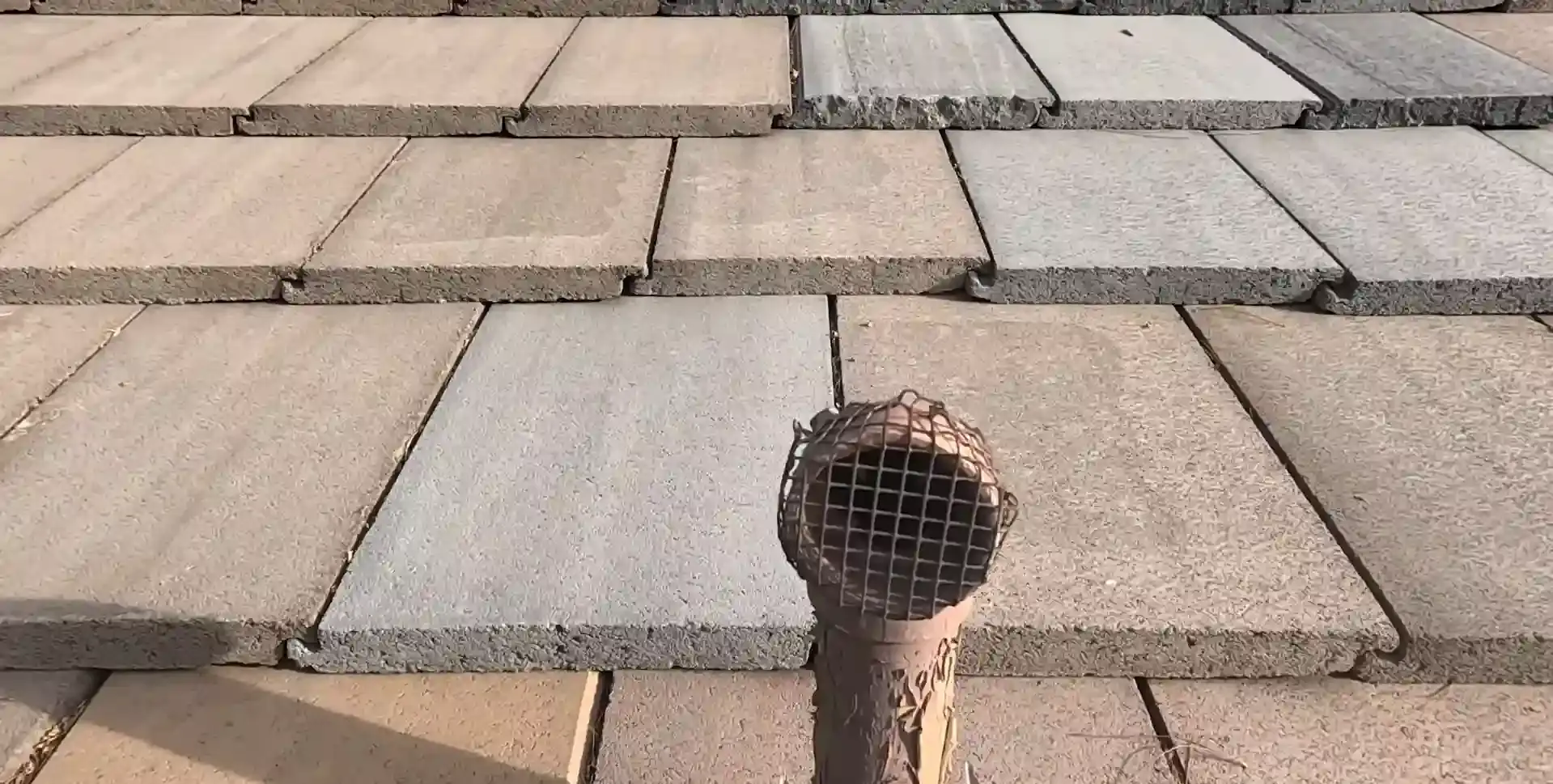
Gaps under clay tiles, open eaves and loose fascia boards are the roof rat's front door. We close them with metal.
Vents
Attic, gable and crawl space vents with torn or loose screens let rodents in. We replace weak screens with metal mesh.
Utility openings
Holes around pipes, AC lines, gas lines and cable wires are often larger than needed. We seal around each line.
Garage
Worn door seals and gaps at the side door are common ways in. We replace worn seals and close the gaps.
Foundation
Cracks and gaps where the wall meets the slab let mice and rats in at ground level. Mortar and metal close them.
Chimney and roof penetrations
Missing caps and loose flashing leave a gap. We fit caps and flashing that rodents cannot get past.
Trees and fences
Branches and palm fronds that touch the roof give roof rats a bridge. We tell you which to trim.
Dryer and exhaust vents
Flaps that do not close leave a gap. We fit covers that close tight.
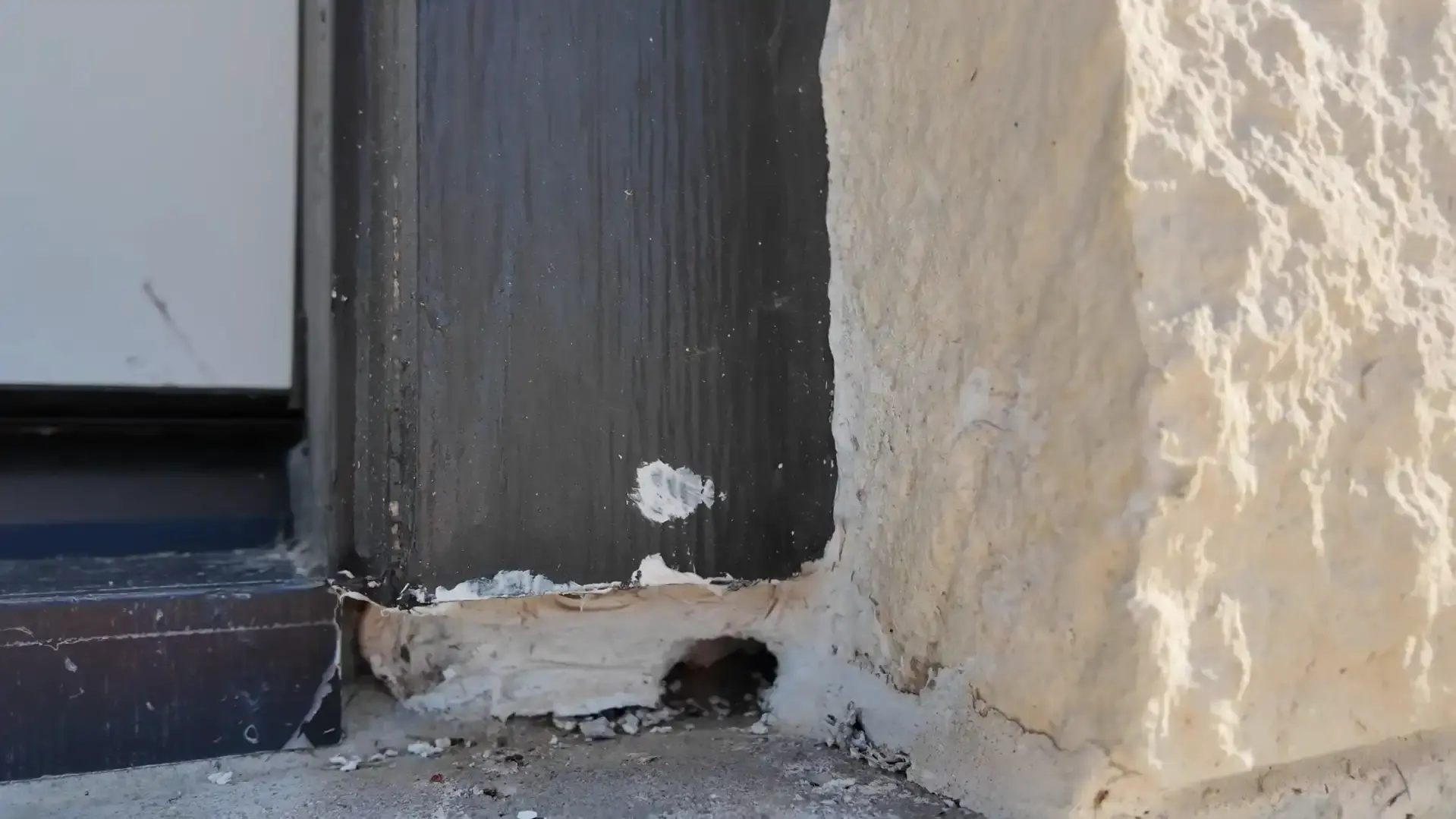
Holes used by rats often have a dark, greasy ring around them. That is a clue they are in use.
Santa Barbara rodent control
How Small a Hole Can Rats and Mice Use?
Smaller than most people think. A mouse can squeeze through a gap about the size of a dime, around a quarter inch. A rat needs a hole about the size of a quarter.
That means a small gap you would not notice can be an open door. This is why we look at every opening, even the tiny ones.
Santa Barbara rodent control
What Makes Santa Barbara Homes Easy for Rodents to Enter
Our coast brings mild weather all year, so rats and mice never really stop looking for a home. Roof rats climb from palms, oaks and eucalyptus, then step onto the roof. From there they hunt for any gap.
Clay tile roofs
Gaps under barrel tiles and open eave ends are a favorite door, especially on Mission Revival homes around the Riviera, the Upper East and Mission Canyon.
Hillside homes
Steep lots, brush and creek lines, like Mission Creek and Arroyo Burro, give rodents cover right up to the walls. We pay extra attention to the ground-level edges.
Older homes
Wood vents, old plumbing cutouts and worn crawl space screens are common on homes in the Eastside, the Lower Westside and downtown near State Street.
Fruit trees and gardens
Avocado, citrus and fig trees feed roof rats from the Mesa to Goleta. Picking fallen fruit and trimming branches reduces the draw.
Large estates
Big roofs and many outbuildings in Montecito, Hope Ranch and Summerland mean more places to seal. We map each building and work in a clear order.
Tall hedges, ivy against the wall and branches that touch the roof act like ladders. Part of every job is pointing these out so you can fix them.
Why do rats keep coming back after trapping?
Because the holes were never closed. Traps remove the rats you have today. They do nothing for the ones living in the trees and brush next door. Without sealing, new rats follow the same scent trail through the same gap.
Sealing
5 Mistakes That Make Rodent Proofing Fail
People tell us the same story: "I paid, and they came back." Here is where jobs usually go wrong.
Sealing only the hole you can see
Rodents use several holes. Miss one and the whole job is open, so we check the whole house.
Using foam, caulk or steel wool alone
These get chewed or rust out. Metal and mortar last much longer.
Skipping the roofline
Roof rats rarely use the ground. They use the roof, and ground-level sealing does not stop them.
Sealing with rodents still inside
This traps them and causes scratching and smells, so we remove them first.
Never checking back
Branches grow, tiles shift and screens loosen. A quick yearly check keeps the seal tight.
Why did my exterminator say they sealed it and the mice are still here?
Usually a gap was missed or a weak material was used. Ask for photos of every sealed spot and a list of materials. Ask whether they checked the roofline and the crawl space. A good company will show you the work, not just tell you about it.
Health and safety
What Open Holes Put at Risk
An open gap is more than a pest problem. Rodents bring risks into the home that a trap alone does not fix.
Fire
Rats chew wire insulation in attics and walls, and bare wire is a hazard. Pest and fire professionals warn about this often.
Germs
Droppings and urine can spread illness. Deer mice carry hantavirus in some areas, so dry-sweeping dust is not safe.
Rat mites
Mites can leave rats and bite people, which is why some families feel itchy with no clear cause.
Damage
Chewed ducts, pipes and insulation cost more to repair each month rodents stay.
Smell
A rodent that dies in a wall can leave a smell that lasts weeks.
Sealing is the one step that stops all five at the source.
Sealing
Can I Seal It Myself? A 15-Minute Walk-Around
You can do some of it, but not the roofline. Walk around your house with a flashlight and check these spots. You may find a few quick fixes.
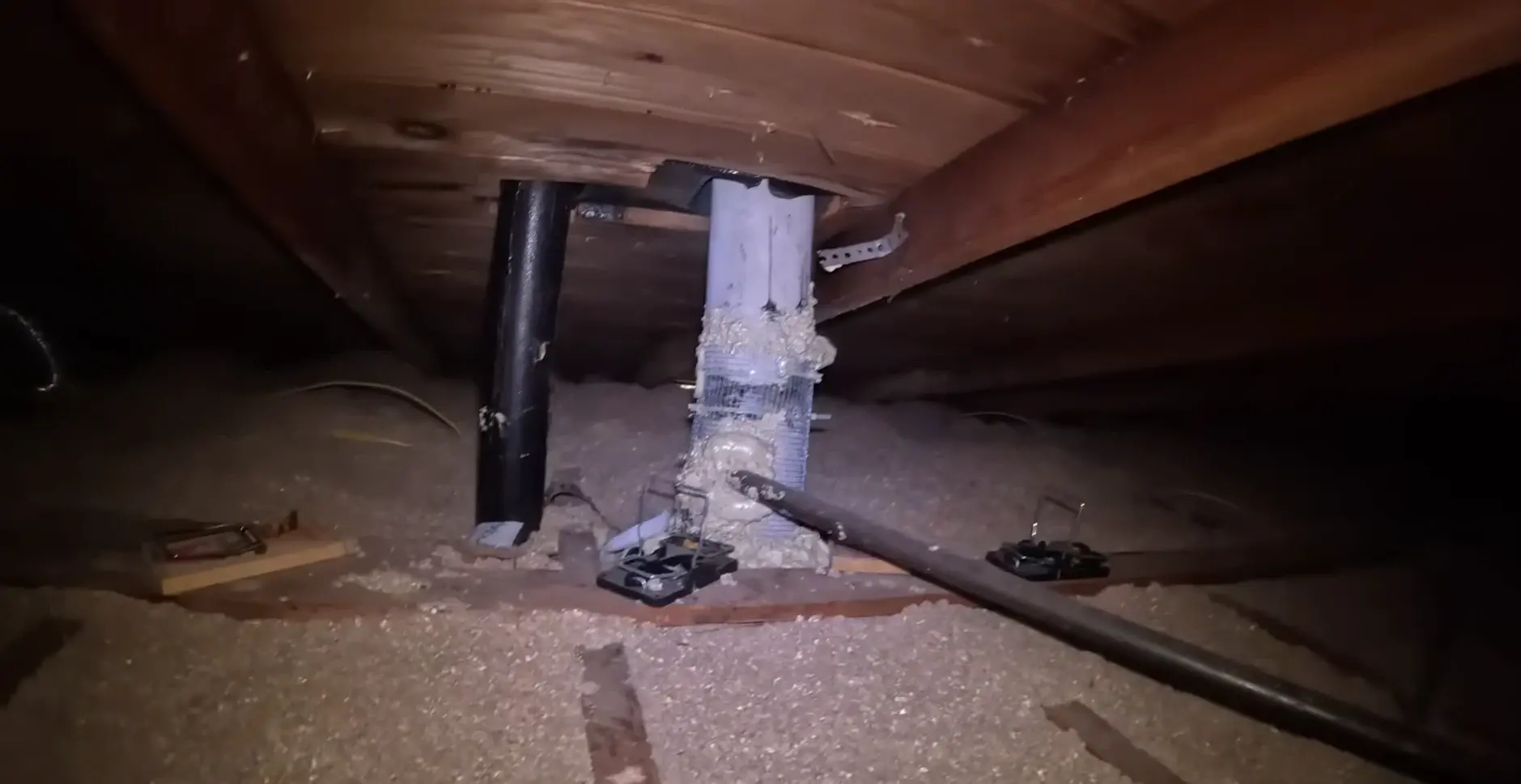
- Branches or palm fronds touching the roof or walls
- Gaps wider than a quarter inch around pipes, gas lines and AC lines
- Torn or loose screens on crawl space and attic vents
- Worn rubber seal at the bottom of the garage door
- Dryer and exhaust vent flaps that hang open
- Dark, greasy smears or chewed edges near any opening
- Fallen fruit, pet food or open trash bins near the house
Easy fixes: trim branches back, store pet food in sealed bins, pick up fallen fruit and replace garage door seals. Neighbors with fruit trees are a common cause of roof rat trouble in California, so ask them to pick fruit too.
Leave these to a pro: tile roofs, high eaves, attic vents and crawl spaces. A fall from a ladder or a tile that cracks costs far more than the job.
What is the best way to keep rats out of my house long term?
Seal every gap with metal, cut off food and water, and trim trees. Sealing stops entry. Clean yards and closed bins remove the reason to come. Trimmed branches take away the bridge. Do all three, and check once a year.
What do rats hate that I can use?
Smells like peppermint do not work for long. They may keep rats away for a day, then rats return. Metal barriers, clean yards and closed food are what actually hold. Do not rely on sprays or sound devices alone.
More ways we help
Our Other Rodent-Control Services
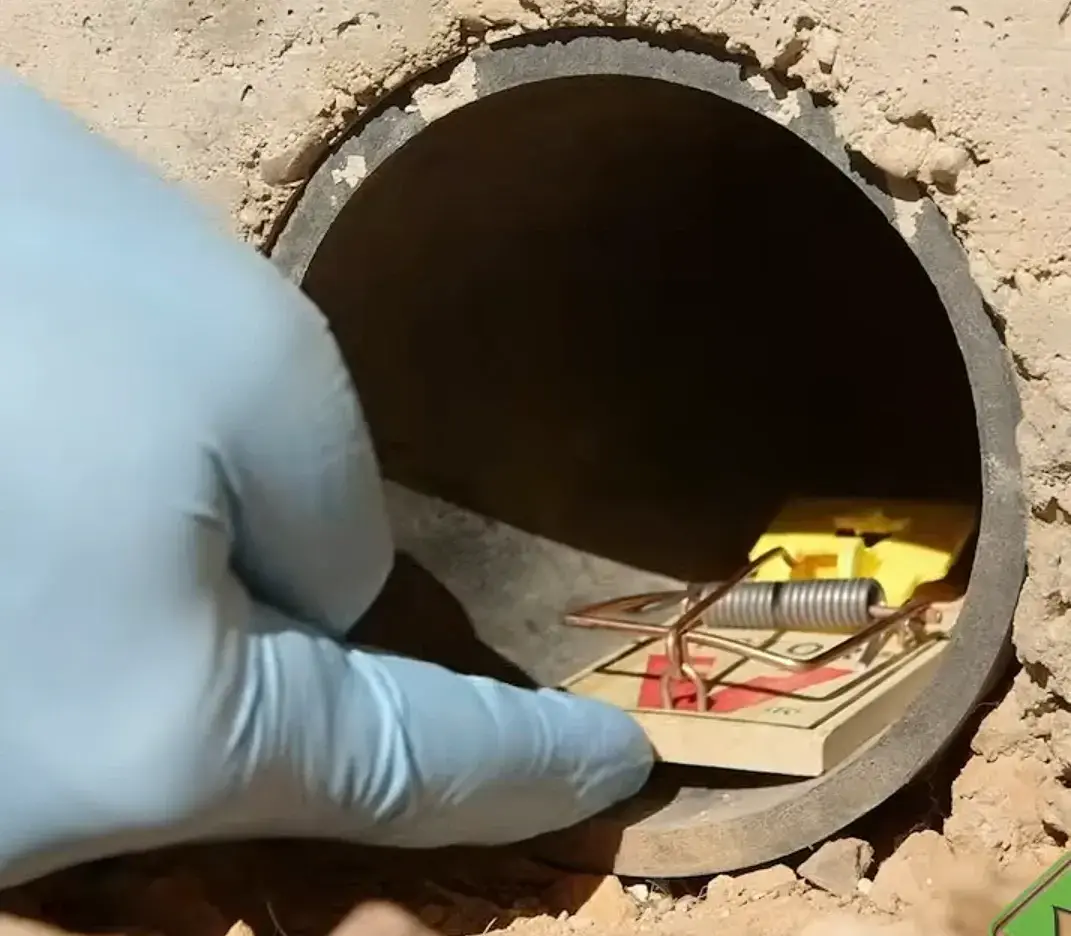
Rat Removal
Trapping, sealing and cleanup for rats in the attic, walls and yard.
View this service →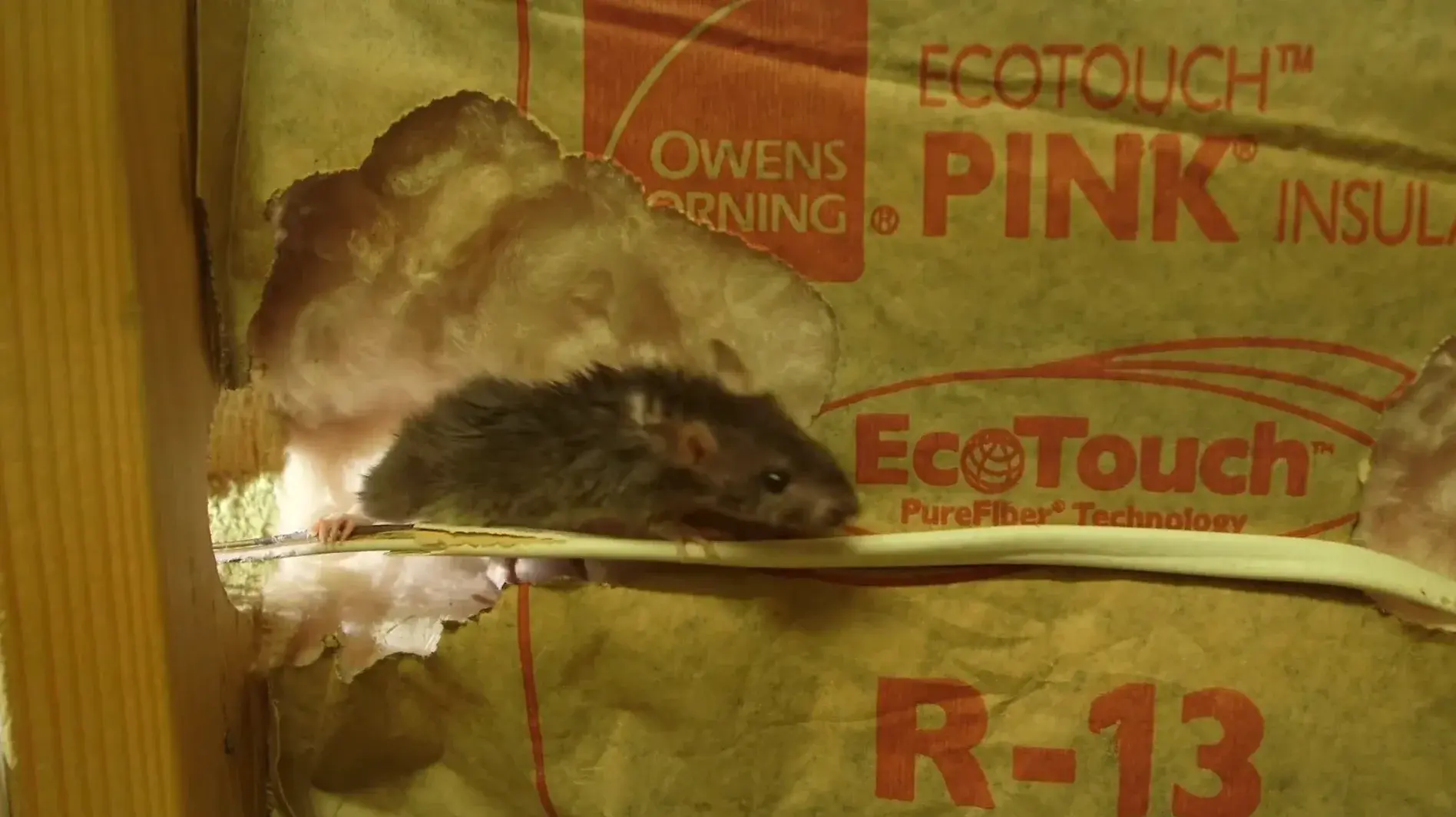
Attic Rodent Removal
Rats and mice out of the attic, with cleanup.
View this service →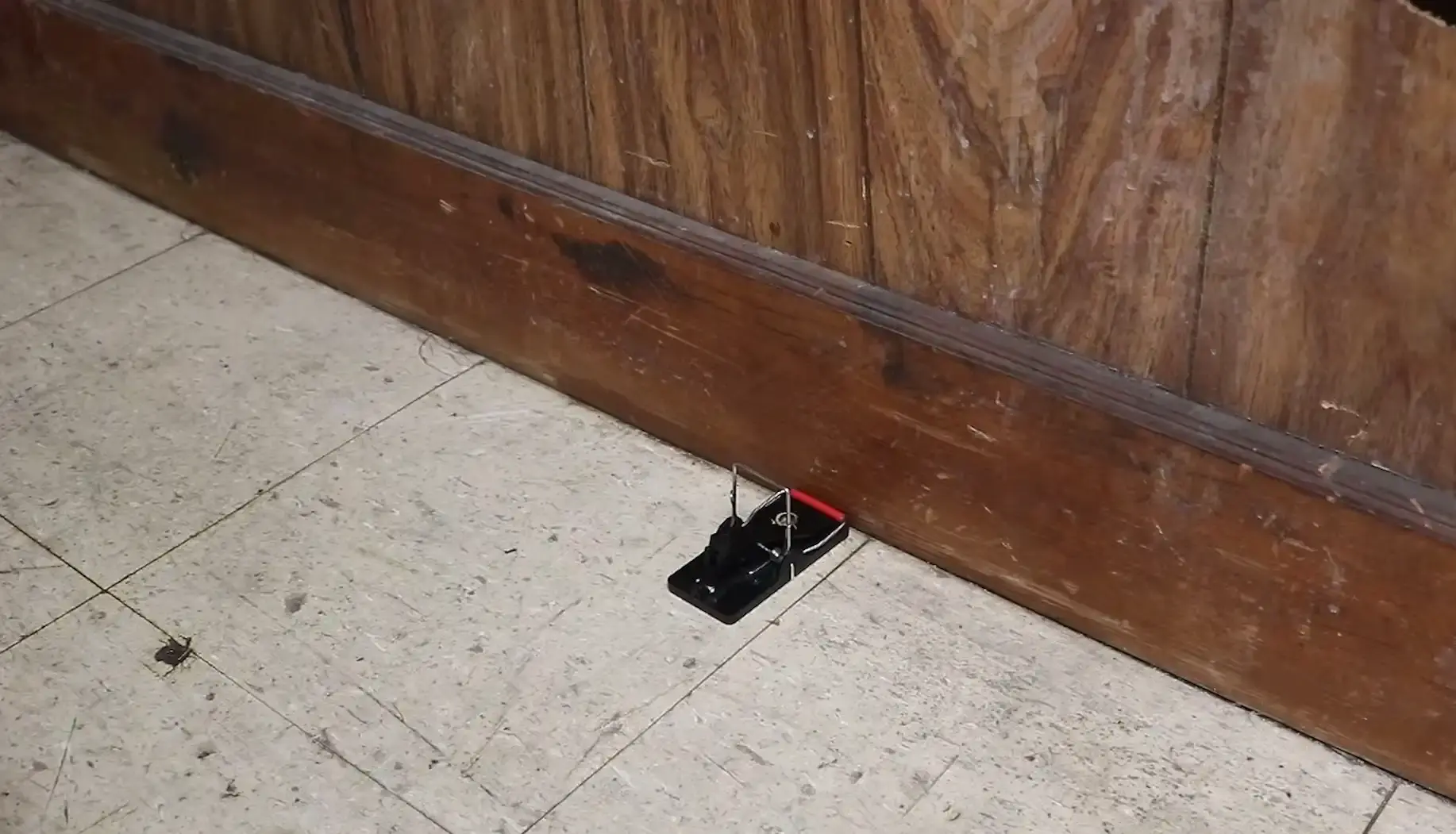
Vacant & Second Homes
Checks and sealing for empty and second homes.
View this service →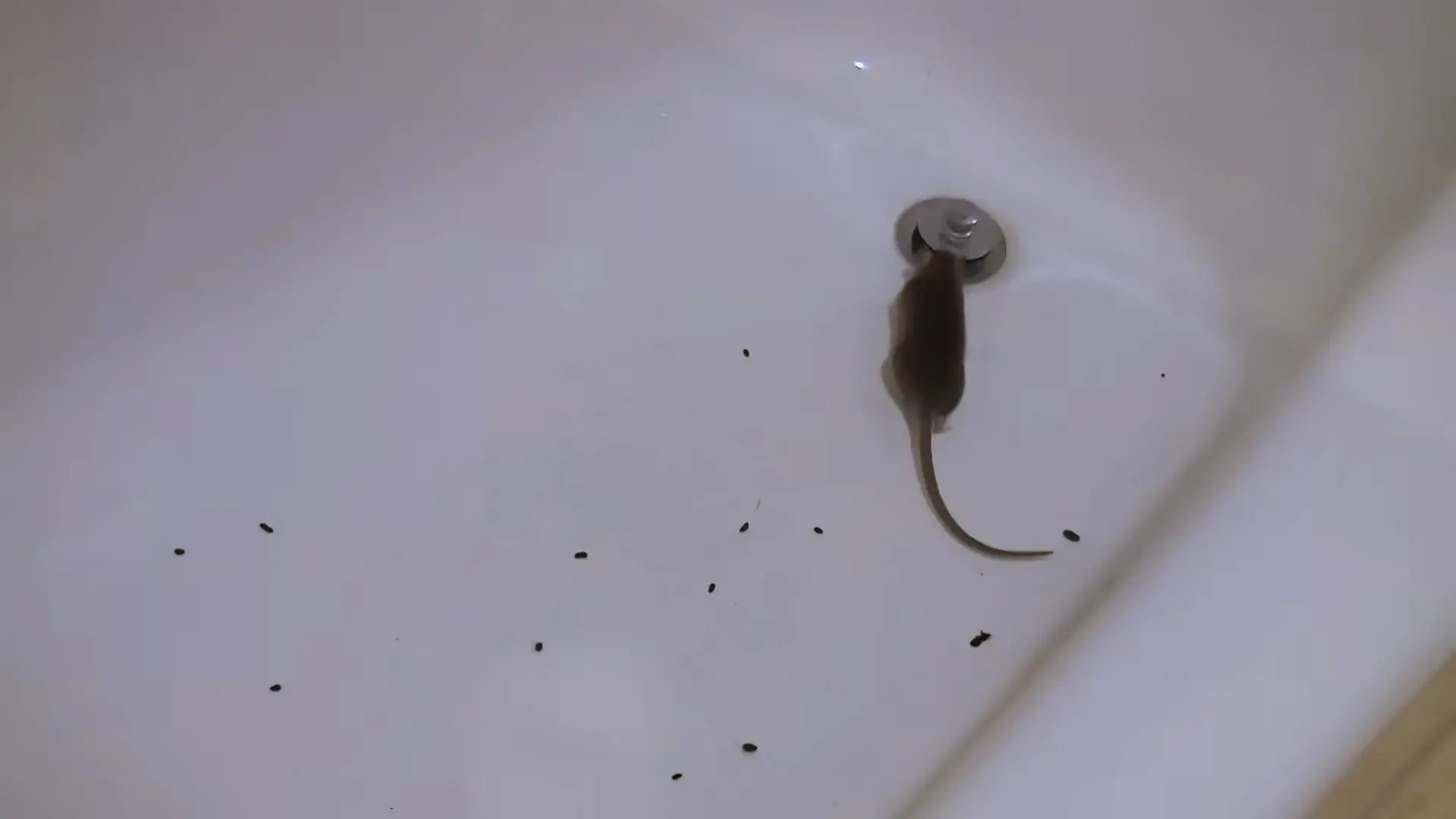
Mice Control
Trapping and sealing for house mice and deer mice.
View this service →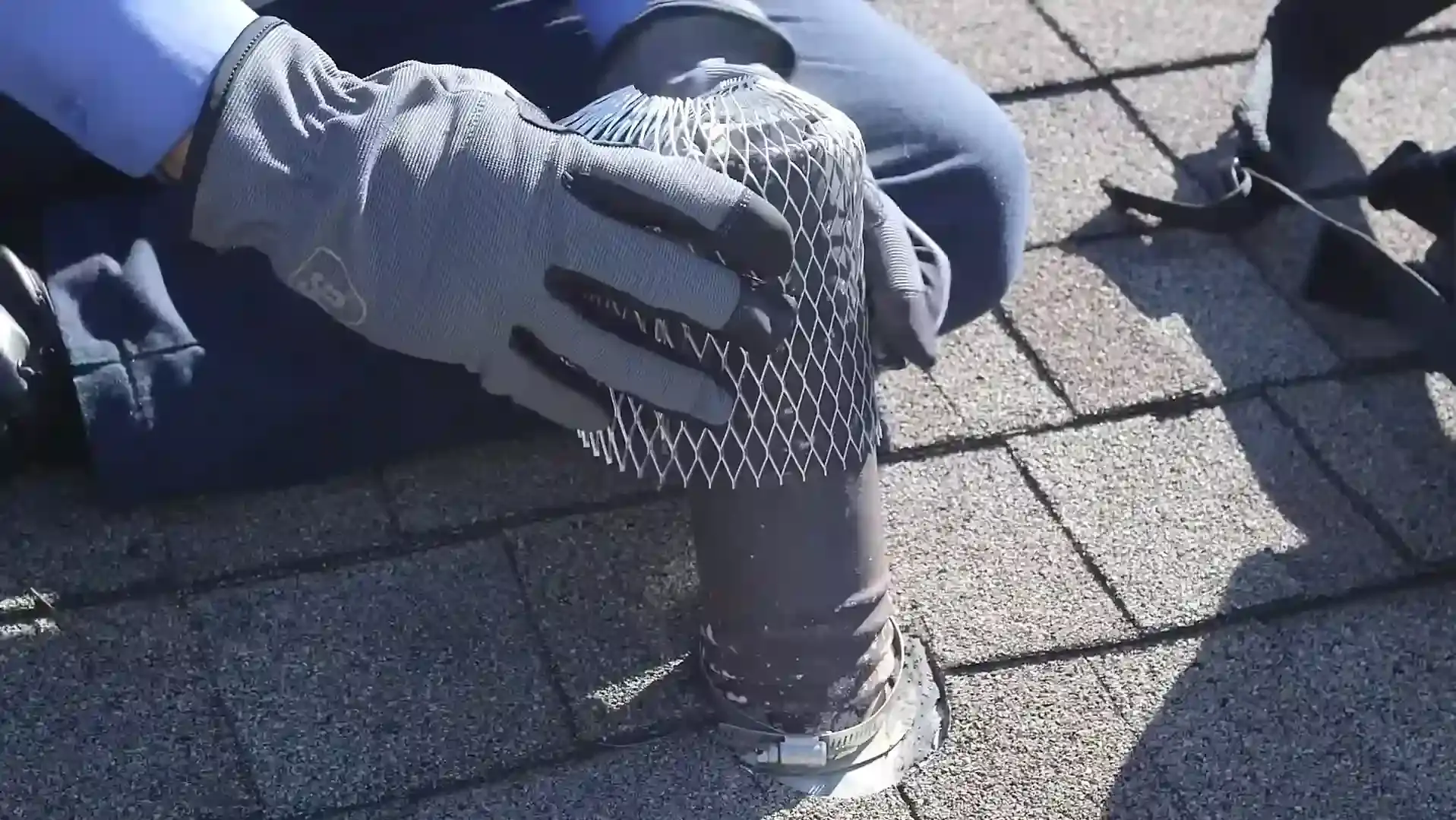
Squirrel Removal
Humane, legal squirrel removal and roof sealing.
View this service →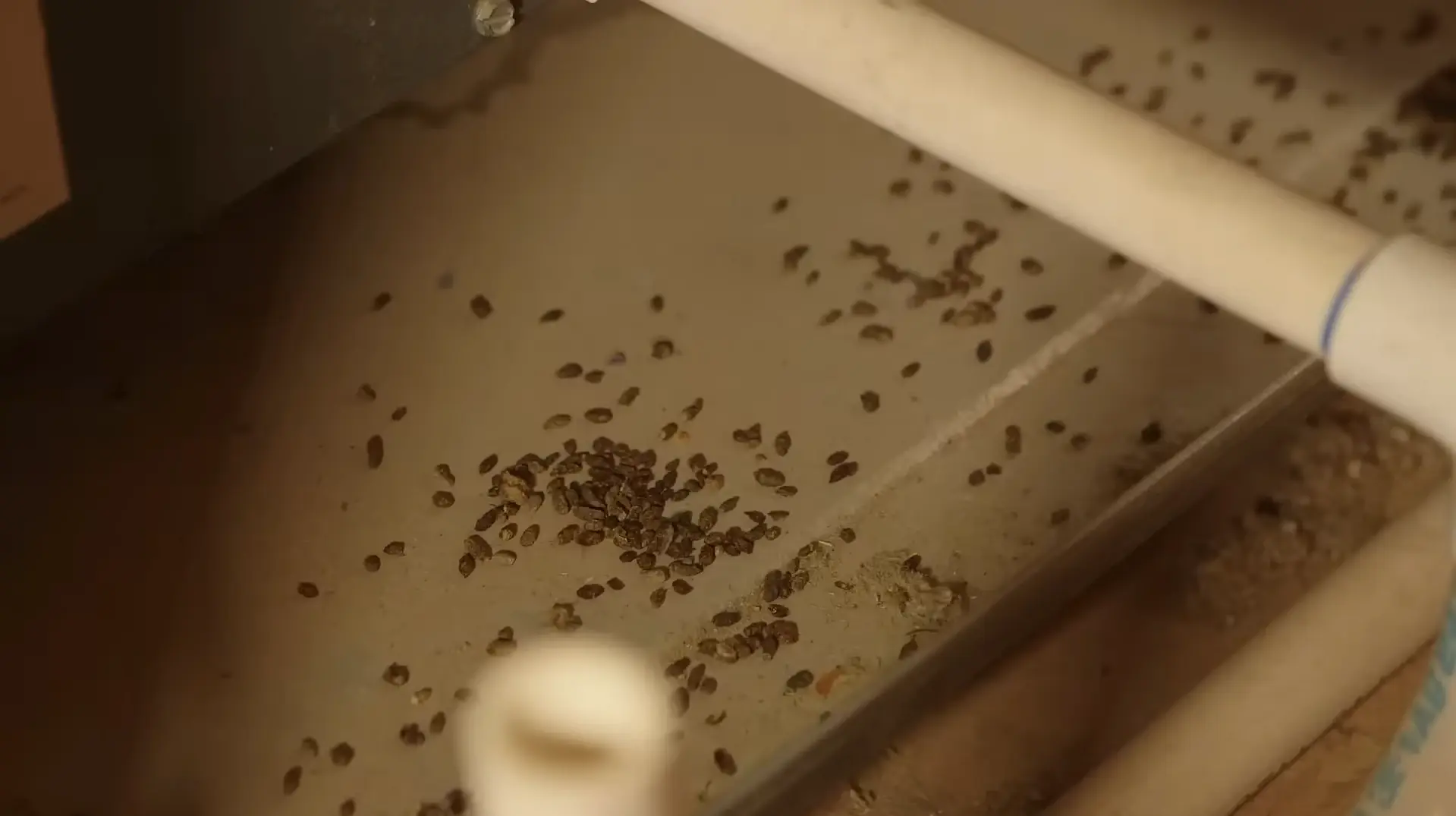
Cleanup & Insulation
Safe droppings cleanup and insulation replacement.
View this service →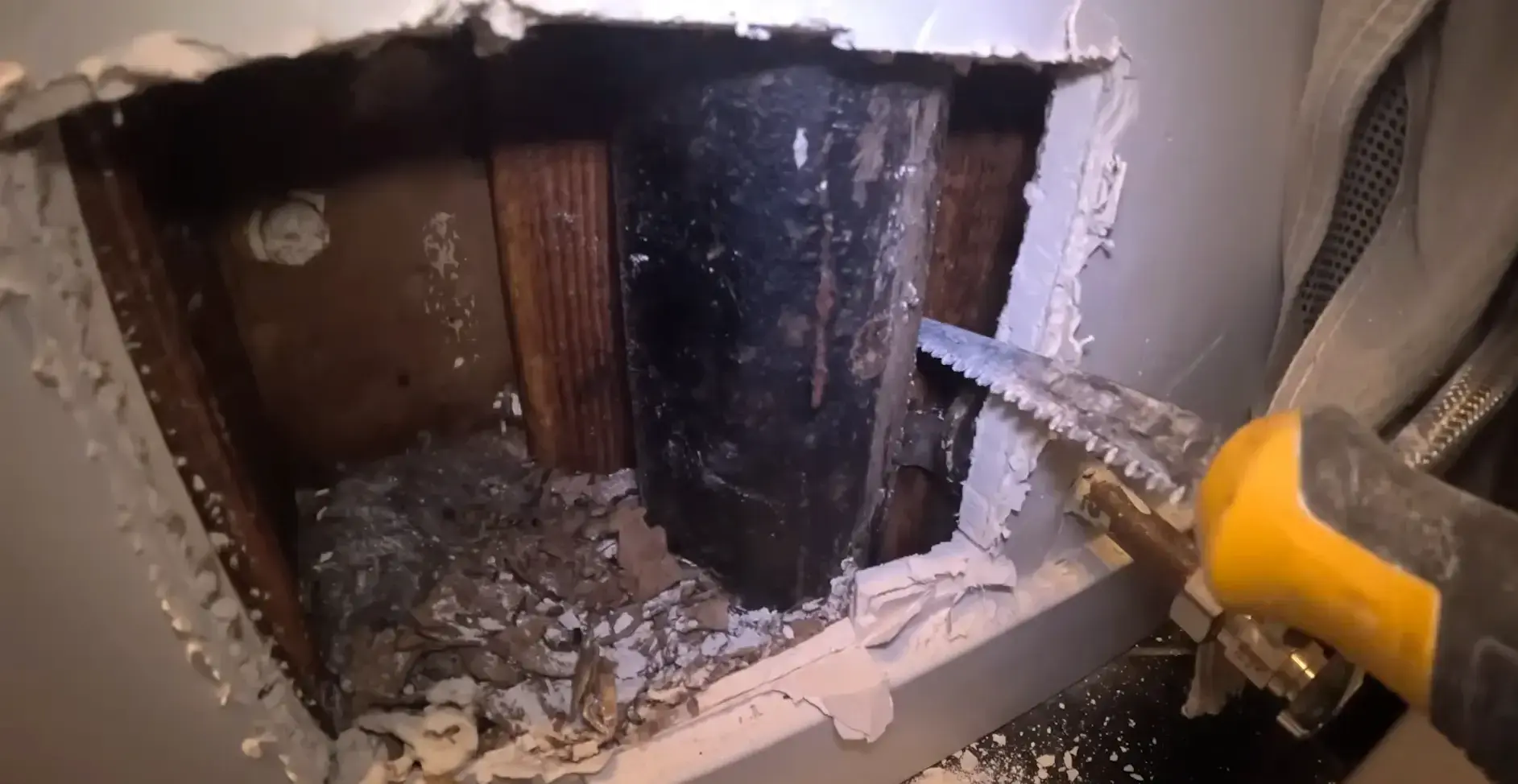
Dead Rat Smell Removal
We find and remove the source of a rotten smell.
View this service →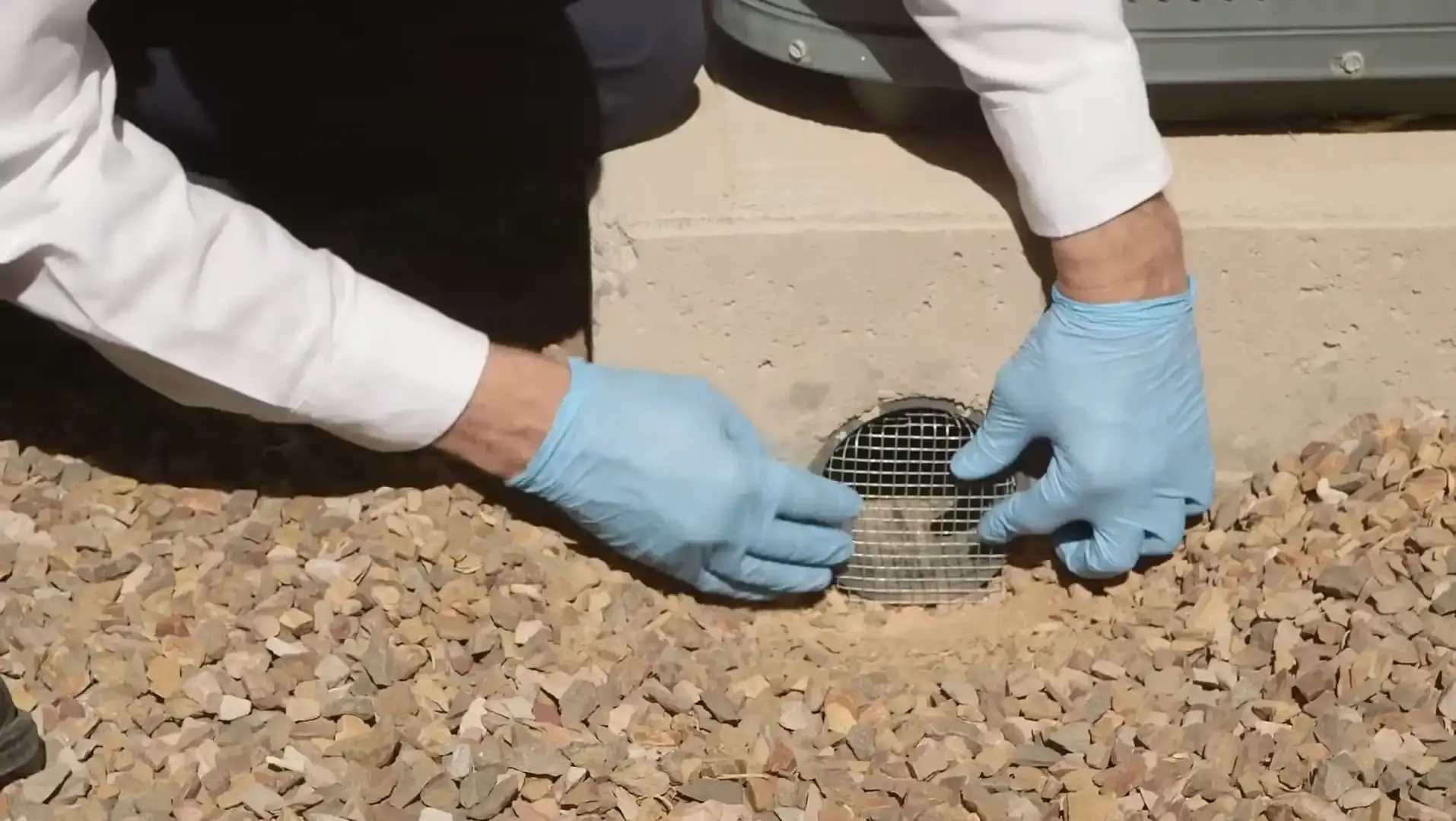
Crawl Space Control
Rodents out from under the floor, with vents and gaps sealed.
View this service →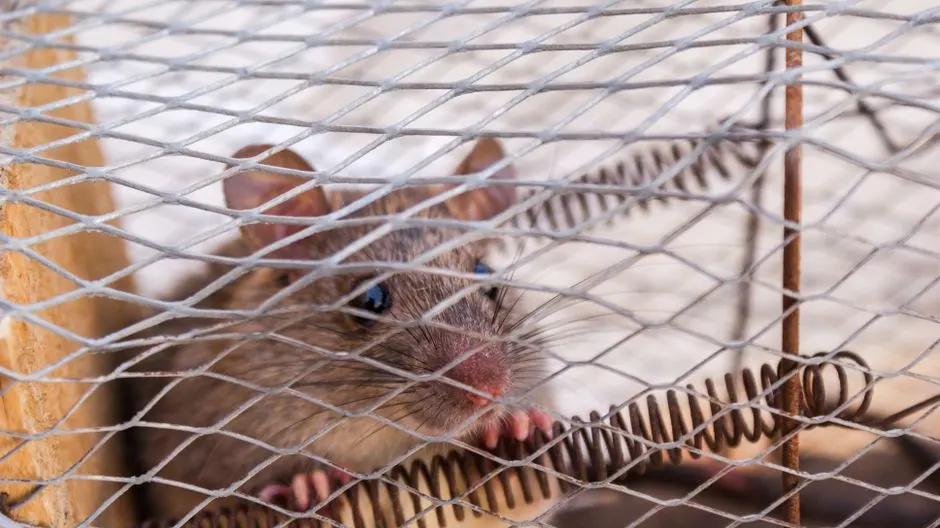
Commercial Control
Discreet control for restaurants, shops, hotels and offices.
View this service →
Airbnb & Vacation Rentals
Fast response and reports for vacation rental hosts.
View this service →
Property Managers & HOAs
Building-wide control for landlords and HOAs.
View this service →Planning to seal your home?
Photograph the weak spots before we walk the house
Exclusion work starts with finding every gap. Your photos help us prepare and give you a clearer plan.
- 1Roofline and eaves
Gaps under tiles, open eave ends and loose fascia.
- 2Vents
Attic, gable, dryer and crawl space vents, especially torn screens.
- 3Utility openings
Holes around pipes, AC lines and cables.
- 4Garage
The bottom door seal, the side door and any gap at the corners.
- 5Foundation
Cracks or gaps where the wall meets the ground.
Ready when you are
Ready to Seal Your Home Against Rodents?
If you want to stop rats and mice for good, the fix is sealing every gap with real metal. Call us for an inspection. Same-day or next-day visits are often possible, and we will show you exactly where rodents get in. Rodent exclusion in Santa Barbara works best when it is done before the next problem, so book while your home is quiet.
- Call us(805) 429-3801
- Email[email protected]
- Office716 N Milpas St, Santa Barbara, CA 93103
- HoursMonday to Saturday, 8:00 AM to 6:00 PM